Benefits of Using Advanced materials in Oil casing Modifications
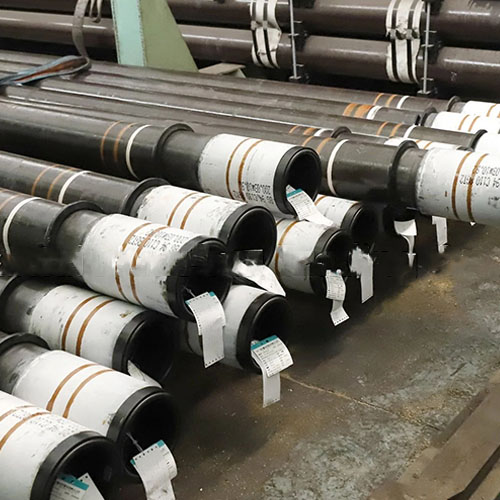
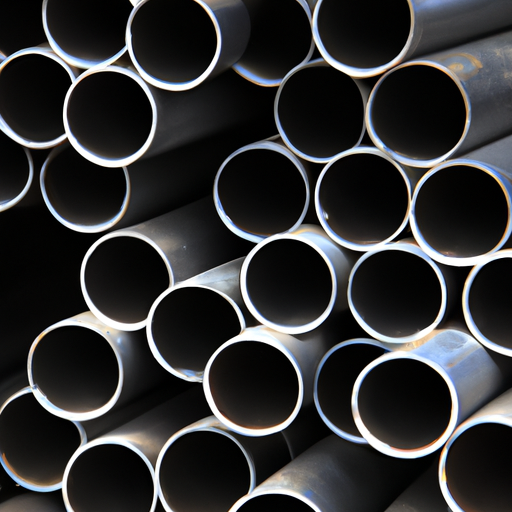
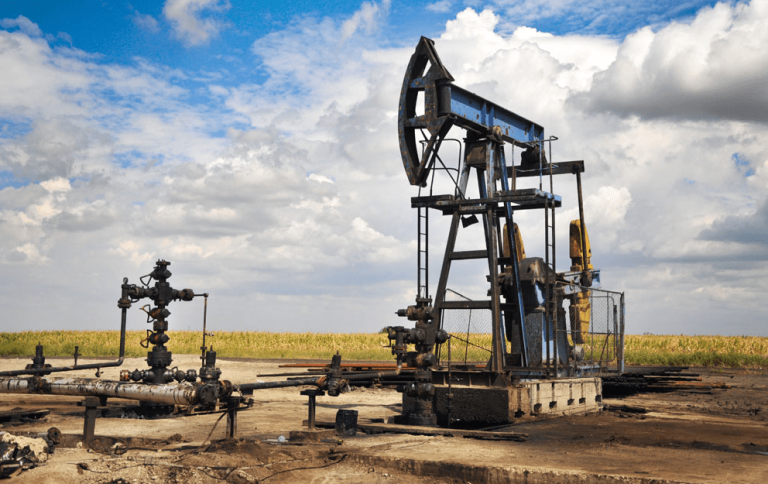
The Oil and gas industry is constantly evolving, with new technologies and materials being developed to improve efficiency and safety. One area that has seen significant advancements in recent years is the use of advanced materials in oil casing modifications. These materials offer a range of benefits, from increased durability and Corrosion resistance to improved performance in high-pressure and high-temperature environments.
One of the key benefits of using advanced materials in oil casing modifications is their superior strength and durability. Traditional materials like carbon steel can be prone to corrosion and wear over time, leading to costly Repairs and replacements. Advanced materials, such as high-strength alloys and composites, are designed to withstand harsh conditions and provide long-lasting performance. This can help to reduce Maintenance costs and downtime, while also improving the overall reliability of the well.
In addition to their strength and durability, advanced materials also offer improved resistance to corrosion. Corrosion is a major concern in the oil and gas industry, as it can lead to leaks, spills, and environmental damage. By using materials that are specifically designed to resist corrosion, operators can help to mitigate these risks and ensure the integrity of their wells. This can also extend the lifespan of the casing, reducing the need for frequent replacements and repairs.
Another benefit of using advanced materials in oil casing modifications is their ability to perform well in high-pressure and high-temperature environments. As oil and gas reserves become increasingly difficult to access, operators are faced with more challenging drilling conditions. Advanced materials are able to withstand the extreme pressures and temperatures that can be encountered in deepwater or unconventional drilling operations, providing a reliable barrier between the wellbore and the surrounding environment.
Despite these benefits, there are challenges associated with the adoption of advanced materials in oil casing modifications. One of the main challenges is the cost of these materials, which can be higher than traditional options. However, many operators are willing to invest in advanced materials due to their long-term benefits and potential cost savings. Additionally, as technology continues to advance, the cost of these materials is expected to decrease, making them more accessible to a wider range of operators.
Another challenge is the need for specialized equipment and expertise to work with advanced materials. Not all drilling contractors may have the necessary skills or resources to handle these materials, which can create barriers to adoption. However, training programs and partnerships with material Suppliers can help to address this challenge and ensure that operators are able to take full advantage of the benefits that advanced materials offer.
In response to these challenges, the oil and gas industry is taking steps to promote the adoption of advanced materials in oil casing modifications. This includes investing in research and development to create new materials that are more cost-effective and easier to work with. It also involves providing training and support to help operators integrate advanced materials into their drilling operations successfully.
Overall, the use of advanced materials in oil casing modifications offers a range of benefits, from increased durability and corrosion resistance to improved performance in challenging drilling conditions. While there are challenges associated with their adoption, the industry is taking steps to overcome these obstacles and ensure that operators can take full advantage of the potential that advanced materials offer. By investing in research, training, and partnerships, the oil and gas industry can continue to drive innovation and improve the efficiency and safety of drilling operations.
Challenges Faced in Adopting Advanced Materials for Oil Casing Modifications
The oil and gas industry is constantly evolving, with new technologies and materials being developed to improve efficiency and safety. One area that has seen significant advancements in recent years is the use of advanced materials in oil casing modifications. These materials offer a range of benefits, including increased strength, corrosion resistance, and thermal stability. However, the adoption of these materials also presents a number of challenges that must be overcome.
One of the primary challenges in adopting advanced materials for oil casing modifications is the cost. Advanced materials are often more expensive than traditional materials, which can make them prohibitive for some Companies. Additionally, the manufacturing processes for these materials can be complex and require specialized equipment, further driving up costs. As a result, many companies are hesitant to invest in advanced materials, opting instead for more affordable options.
https://youtube.com/watch?v=LIFpq7-uT1g
Another challenge in adopting advanced materials for oil casing modifications is the lack of industry standards and regulations. Traditional materials such as steel have well-established standards and specifications that govern their use in oil and gas applications. However, advanced materials are still relatively new, and there is a lack of consensus on the best practices for their use. This can make it difficult for companies to determine which materials are suitable for their specific needs and how to properly implement them.

In addition to cost and regulatory challenges, there are also technical hurdles that must be overcome when adopting advanced materials for oil casing modifications. These materials often have different properties and behaviors than traditional materials, which can require companies to reevaluate their design and manufacturing processes. For example, advanced materials may have different thermal expansion rates or require specialized welding techniques. This can create additional complexity and uncertainty for companies looking to incorporate these materials into their operations.
Despite these challenges, there are a number of responses that companies can take to overcome the obstacles to adopting advanced materials for oil casing modifications. One approach is to invest in research and development to better understand the properties and behaviors of these materials. By conducting thorough testing and analysis, companies can gain a better understanding of how advanced materials will perform in real-world applications and identify any potential issues that may arise.
Another response is to collaborate with industry partners and suppliers to share knowledge and expertise. By working together, companies can pool resources and leverage each other’s strengths to overcome technical challenges and develop best practices for using advanced materials in oil casing modifications. This can help to accelerate the adoption of these materials and ensure that companies are able to reap the benefits of their use.
In conclusion, while there are certainly challenges to adopting advanced materials for oil casing modifications, there are also opportunities for companies to overcome these obstacles and realize the benefits of these materials. By investing in research and development, collaborating with industry partners, and staying abreast of regulatory developments, companies can position themselves to successfully incorporate advanced materials into their operations. With the right approach and mindset, companies can navigate the complexities of adopting advanced materials and drive innovation in the oil and gas industry.
Strategies to Overcome Adoption Challenges in Implementing Advanced Materials for Oil Casing Modifications
The oil and gas industry is constantly evolving, with new technologies and materials being developed to improve efficiency and sustainability. One area that has seen significant advancements in recent years is the use of advanced materials in oil casing modifications. These materials offer improved strength, corrosion resistance, and thermal stability, making them ideal for use in harsh environments such as deep-sea drilling or high-temperature reservoirs.
However, despite the many benefits of using advanced materials in oil casing modifications, there are still challenges that need to be overcome in order to fully realize their potential. One of the main challenges is the high cost of these materials, which can make them prohibitively expensive for some companies. Additionally, there may be technical challenges in implementing these materials, such as compatibility issues with existing equipment or processes.
To address these challenges, companies in the oil and gas industry need to develop strategies to overcome adoption challenges in implementing advanced materials for oil casing modifications. One possible strategy is to invest in research and development to find ways to reduce the cost of these materials. This could involve developing new manufacturing processes or finding alternative sources for raw materials.
Another strategy is to work closely with suppliers and Manufacturers to ensure that the advanced materials being used are compatible with existing equipment and processes. This may involve conducting thorough testing and validation before implementing the materials on a larger scale.
Company,oilCompanies can also look for opportunities to collaborate with other industry players to share knowledge and resources. By working together, companies can pool their expertise and resources to overcome common challenges and accelerate the adoption of advanced materials in oil casing modifications.
In addition to these strategies, companies can also explore alternative funding sources to help offset the cost of implementing advanced materials. This could involve seeking out government grants or subsidies, partnering with research institutions, or exploring new financing models such as joint ventures or partnerships.
Overall, the adoption of advanced materials in oil casing modifications offers many benefits for the oil and gas industry, including improved performance, durability, and sustainability. By developing strategies to overcome adoption challenges, companies can unlock the full potential of these materials and drive innovation in the industry.
In conclusion, while there are challenges to overcome in implementing advanced materials for oil casing modifications, there are also many opportunities for companies to innovate and drive progress in the industry. By investing in research and development, working closely with suppliers and manufacturers, collaborating with industry partners, and exploring alternative funding sources, companies can overcome adoption challenges and reap the benefits of using advanced materials in oil casing modifications.