
Understanding the API grades of Pipes in the Oil and gas Industry
Understanding the API Grades of Pipes in the Oil and Gas Industry
Pipes play a crucial role in the oil and gas industry, serving as the conduits through which oil and gas are transported from extraction sites to refineries and distribution centers. To ensure the safe and efficient transportation of these valuable resources, it is essential to use high-quality pipes that meet industry standards. One key aspect of pipe quality is the API grade, which signifies the level of quality and performance that a pipe meets.
The American petroleum Institute (API) has established a set of standards known as API grades to categorize pipes based on their quality, durability, and performance characteristics. These grades are assigned based on various factors, including material composition, manufacturing processes, and testing procedures. By adhering to these standards, industry stakeholders can ensure that the pipes used in their operations meet the necessary requirements for safe and reliable performance.
oil pipe SuppliersThere are several API grades of pipes commonly used in the oil and gas industry, each designed to meet specific operational needs and environmental conditions. One of the most common grades is API 5L, which covers a range of steel pipe types used for conveying oil and gas in both onshore and offshore applications. API 5L pipes are available in different strength levels, such as X42, X52, X60, and X70, to accommodate varying pressure and temperature requirements.
Another important API grade is api 5ct, which is specifically designed for use in oil and gas well casing and Tubing applications. API 5CT pipes are manufactured to stringent quality standards to ensure their integrity and reliability in demanding downhole environments. These pipes are typically made from carbon or alloy steel and undergo rigorous testing to verify their mechanical properties and resistance to corrosion.
In addition to API 5L and API 5CT, there are other API grades that address specialized applications and requirements within the oil and gas industry. For example, API 5DP covers Drill Pipes used in drilling operations, while API 5D specifies specifications for drill collars. These grades, along with others like API 5B (Threading, gauging, and thread inspection of casing, tubing, and line pipe threads) and API 5LCP (corrosion-resistant alloy seamless line pipe), help industry professionals select the most suitable pipes for their specific needs.
https://youtube.com/watch?v=rWtvvt8L3h4When choosing pipes for oil and gas applications, it is essential to consider not only the API grade but also other factors such as size, Wall thickness, and end connections. Proper selection of pipes can help ensure the integrity and reliability of the overall pipeline system, minimizing the risk of leaks, failures, and environmental damage.
In conclusion, understanding the API grades of pipes is essential for ensuring the safe and efficient operation of oil and gas pipelines. By selecting pipes that meet the appropriate API standards and specifications, industry stakeholders can enhance the reliability and performance of their infrastructure while meeting regulatory requirements. Whether it’s API 5L for transmission pipelines or API 5CT for well casing, choosing the right API grade is a critical step in maintaining the integrity of oil and gas operations.
A Comprehensive Guide to API pipe grades and Their Applications
API (American Petroleum Institute) pipe grades play a crucial role in the oil and gas industry, determining the quality and suitability of pipes for various applications. These grades are standardized specifications that ensure the pipes meet specific requirements for use in different environments and conditions. Understanding the API pipe grades is essential for engineers, Manufacturers, and operators involved in the oil and gas sector.
The API pipe grades are classified based on their mechanical properties, chemical composition, and intended use. The most commonly used grades include API 5L, API 5CT, and API 5DP. Each grade has its own set of requirements and characteristics that make it suitable for specific applications.
API 5L is one of the most widely used pipe grades in the industry. It is designed for conveying gas, water, and oil in both the oil and natural gas industries. API 5L pipes are available in two different product specification levels (PSL1 and PSL2) to meet varying requirements for strength, toughness, and Corrosion resistance.
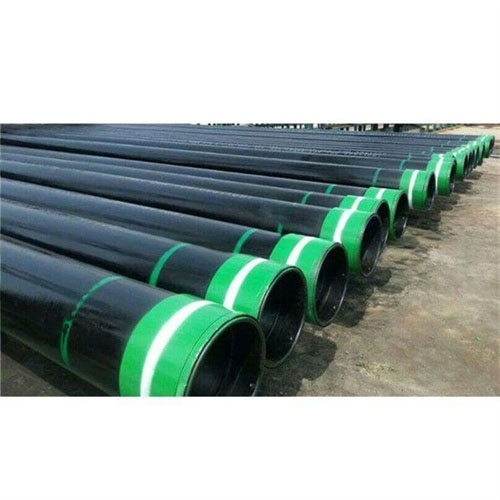
API 5CT is another important pipe grade that is specifically designed for use in casing and tubing for oil wells. This grade ensures the integrity of the well and protects the production casing from external forces and corrosion. API 5CT pipes are available in different steel grades and connection types to suit different well conditions.
API 5DP is a grade of drill pipe used in oil and gas drilling operations. It is designed to withstand high stress and torque levels while drilling through various formations. API 5DP pipes are manufactured to stringent specifications to ensure reliability and performance in demanding drilling environments.
In addition to these commonly used grades, there are other API pipe grades such as API 5B, API 5LCP, and API 5LC that serve specific purposes in the oil and gas industry. These grades have their own unique characteristics and applications, making them suitable for a wide range of operations.
When selecting the appropriate API pipe grade for a specific application, it is essential to consider factors such as operating conditions, environmental factors, and regulatory requirements. Engineers and operators must ensure that the chosen grade meets all necessary specifications and standards to ensure safety and reliability.
Overall, API pipe grades are essential components in the oil and gas industry, providing a standardized framework for selecting and using pipes in various applications. By understanding the different grades and their applications, industry professionals can make informed decisions that ensure the integrity and efficiency of their operations.