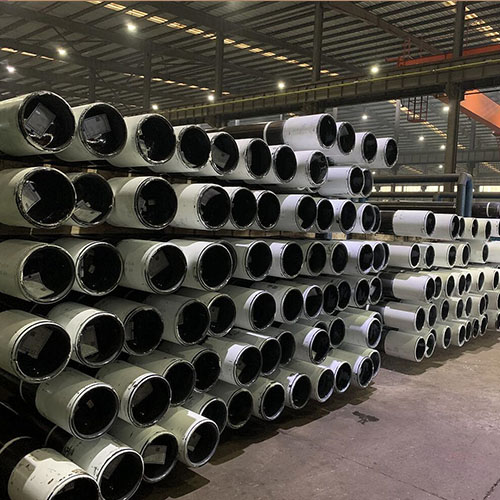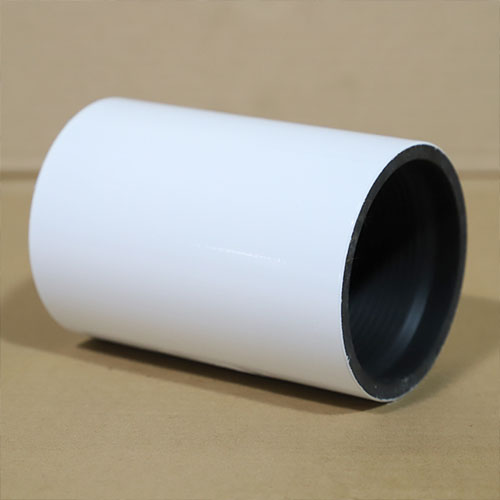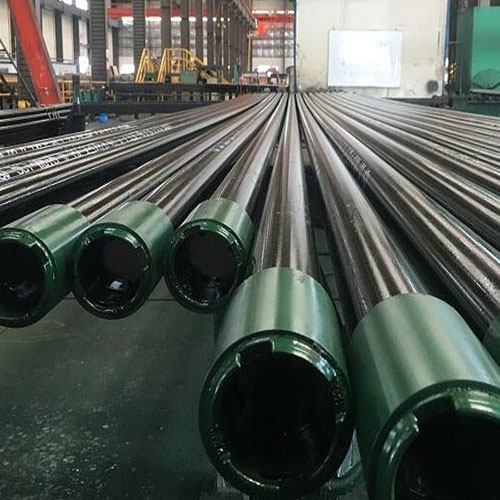
نظرة عامة على مواصفات الأنابيب والغلاف القياسية API 5ct J55/ K55/ N80/ L80 لنقل النفط
جدول مقاسات الأنابيب الفولاذية 80
في البداية، تُعرف درجة J55 بخصائصها الميكانيكية الممتازة، مما يجعلها مناسبة للاستخدام في تطبيقات الضغط المنخفض. وغالبًا ما يتم استخدامه في الآبار الضحلة حيث يكون خطر الانهيار في حده الأدنى. تبلغ قوة الخضوع لأنابيب J55 عادةً حوالي 55000 رطل لكل بوصة مربعة، مما يوفر دعمًا كافيًا لحفرة البئر مع الحفاظ على المرونة أثناء التثبيت. يتم تفضيل هذه الدرجة بشكل خاص لفعاليتها من حيث التكلفة، مما يسمح للمشغلين بإدارة النفقات دون المساس بالسلامة.
في المقابل، توفر درجة K55 قوة إنتاج أعلى، حوالي 60.000 رطل لكل بوصة مربعة، مما يجعلها أكثر ملاءمة لتطبيقات الضغط المتوسط. غالبًا ما يتم استخدام هذه الدرجة في البيئات التي يكون فيها خطر الانهيار أكبر، مما يوفر سلامة هيكلية معززة. تم تصميم أنابيب K55 للتعامل مع الظروف الأكثر تطلبًا، مما يجعلها الخيار المفضل للمشغلين الذين يتطلعون إلى تحسين عمليات الحفر الخاصة بهم مع ضمان سلامة وموثوقية معداتهم.
بالانتقال إلى درجة N80، فهي تتميز بقوتها الفائقة ومقاومة التآكل، وهو أمر ضروري للعمليات في بيئات أكثر عدوانية. تتوفر درجة N80 في نوعين مختلفين: N80-1 وN80-Q، حيث يوفر الأخير خصائص إضافية مثل المتانة المحسنة ومقاومة التشقق الناتج عن إجهاد الكبريتيد. وهذا يجعل أنابيب N80 مناسبة بشكل خاص لتطبيقات الغاز الحامض، حيث يمكن أن يشكل وجود كبريتيد الهيدروجين مخاطر كبيرة. تتراوح قوة الخضوع لـ N80 عادةً من 80000 رطل لكل بوصة مربعة، مما يوفر للمشغلين الثقة في أن غلافهم وأنابيبهم يمكن أن تتحمل الضغوط التي يواجهونها في الآبار العميقة.
وأخيرًا، تم تصميم درجة L80 للتطبيقات عالية الأداء، مع قوة خضوع تبلغ ما يقرب من 80،000 رطل لكل بوصة مربعة. لقد تم تصميمه خصيصًا لتوفير مقاومة معززة للتآكل والتآكل، مما يجعله مثاليًا للاستخدام في البيئات التي يكون فيها خطر التعرض للمواد الكيميائية مرتفعًا. غالبًا ما يتم استخدام درجة L80 في كل من آبار النفط والغاز، حيث يمكن أن تساهم متانتها وقوتها بشكل كبير في الكفاءة الشاملة لعملية الاستخراج. إن الجمع بين قوة الإنتاج العالية ومقاومة التآكل يجعل L80 خيارًا موثوقًا به للمشغلين الذين يسعون إلى زيادة العمر الافتراضي لمعداتهم إلى أقصى حد.
تطبيقات وفوائد الأنابيب والغلاف القياسية API 5CT J55/K55/N80/L80 في صناعة النفط
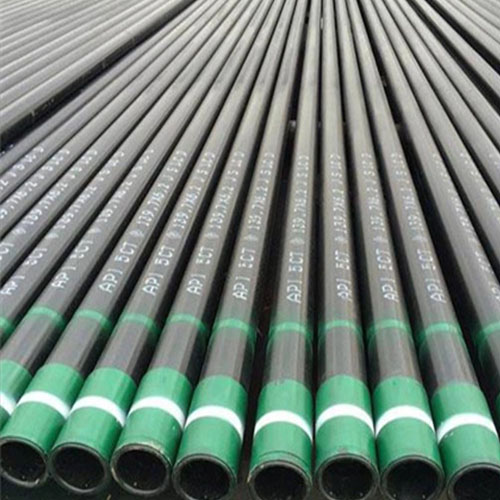
في الختام، تعتبر الأنابيب والغلاف القياسية API 5CT J55/K55/N80/L80 مكونات أساسية في صناعة النفط، وتوفر حلولًا موثوقة لاستخراج ونقل الهيدروكربونات. تشمل تطبيقاتها نطاقًا واسعًا من تقنيات الحفر، وتشمل فوائدها تعزيز المتانة والسلامة والكفاءة الاقتصادية. ومع استمرار صناعة النفط في مواجهة تحديات جديدة، فإن أهمية هذه المعايير سوف تتزايد، مما يؤكد دورها الحيوي في ضمان الاستخراج المستدام والمسؤول لموارد النفط والغاز.
Applications and Benefits of API 5CT J55/K55/N80/L80 standard Tubing and casing in the Oil Industry
API 5CT J55/K55/N80/L80 standard tubing and casing play a crucial role in the oil industry, particularly in the extraction and transportation of hydrocarbons. These specifications, established by the American petroleum Institute, provide guidelines for the manufacturing and testing of steel Pipes used in Oil and gas wells. The applications of these standards are extensive, and their benefits are significant, making them indispensable in modern drilling operations.
One of the primary applications of API 5CT J55/K55/N80/l80 tubing and casing is in the construction of oil wells. The tubing serves as a conduit for the oil and gas to flow from the reservoir to the surface, while the casing provides structural integrity to the wellbore, preventing collapse and protecting the surrounding environment from contamination. The J55 and K55 grades are typically used in less demanding environments, where the pressures and temperatures are moderate. In contrast, the N80 and L80 grades are designed for more challenging conditions, offering enhanced strength and resistance to corrosion, which is particularly important in sour gas environments where hydrogen sulfide is present.
The benefits of using API 5CT J55/K55/N80/L80 standard tubing and casing are manifold. Firstly, these materials are engineered to withstand the harsh conditions encountered in oil extraction, including high pressures and temperatures. This durability ensures a reliable flow of hydrocarbons, minimizing the risk of leaks and failures that could lead to costly downtime and environmental hazards. Furthermore, the standardized nature of these specifications means that operators can expect consistent quality and performance from their tubing and casing, which is essential for maintaining operational efficiency.
Another significant advantage of API 5CT J55/K55/N80/L80 tubing and casing is their compatibility with various drilling techniques. As the oil industry continues to evolve, with advancements in drilling technologies such as horizontal and directional drilling, the need for versatile and robust materials becomes increasingly important. The flexibility of these standards allows for their use in a wide range of applications, from conventional vertical wells to more complex drilling operations, thereby enhancing the overall productivity of oil extraction processes.
Moreover, the use of API 5CT J55/K55/N80/L80 tubing and casing contributes to the safety of drilling operations. The rigorous testing and quality control measures mandated by the API standards ensure that the materials can withstand the stresses imposed during drilling and production. This reliability not only protects the investment made in drilling operations but also safeguards the health and safety of personnel working in potentially hazardous environments.
In addition to their technical advantages, the economic benefits of API 5CT J55/K55/N80/L80 standard tubing and casing cannot be overlooked. By reducing the likelihood of failures and the associated costs of Repairs and environmental remediation, these materials contribute to the overall profitability of oil extraction operations. Furthermore, their widespread availability and standardization facilitate easier procurement and inventory management, allowing operators to streamline their supply chains and reduce operational costs.
https://youtube.com/watch?v=euW6dpTXVfY
In conclusion, API 5CT J55/K55/N80/L80 standard tubing and casing are essential components in the oil industry, providing reliable solutions for the extraction and transportation of hydrocarbons. Their applications span a wide range of drilling techniques, and their benefits include enhanced durability, safety, and economic efficiency. As the oil industry continues to face new challenges, the importance of these standards will only grow, underscoring their vital role in ensuring the sustainable and responsible extraction of oil and gas resources.