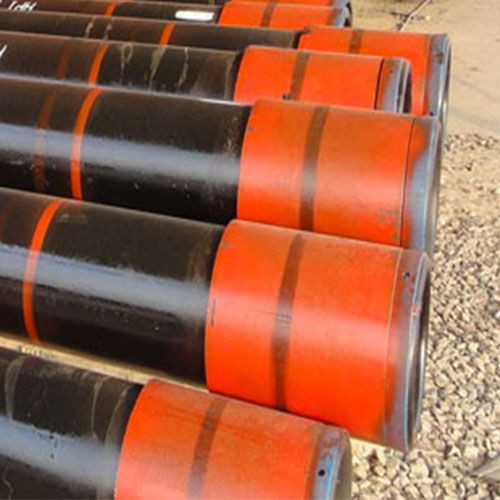
تعظيم الكفاءة في عمليات استخراج النفط
أفضل مصنع في الصين لأنابيب التغليف
يعد اختيار النوع المناسب من الغلاف أمرًا بالغ الأهمية لتحسين كفاءة الاستخراج. تتطلب التكوينات المختلفة وظروف البئر مواد وتصميمات غلاف محددة. يتم استخدام الغلاف الفولاذي بشكل شائع بسبب قوته ومقاومته للتآكل، وهو أمر ضروري لتحمل الظروف القاسية الموجودة في خزانات النفط. يتم أيضًا استخدام السبائك والمواد المركبة المتقدمة في الحالات التي يُتوقع فيها حدوث ضغوط شديدة أو بيئات مسببة للتآكل.
بالإضافة إلى الاعتبارات المادية، يؤثر تصميم وتركيب الغلاف بشكل كبير على الكفاءة التشغيلية. يجب اختيار الغلاف بعناية ليتحمل الضغوط ودرجات الحرارة المتوقعة في قاع البئر دون المساس بسلامته الهيكلية مع مرور الوقت. يمكن أن يؤدي الغلاف المصمم أو المثبت بشكل غير صحيح إلى تأخيرات مكلفة، أو فشل الآبار، أو حوادث بيئية، مما يسلط الضوء على أهمية التخطيط الشامل والخبرة الهندسية في مشاريع استخراج النفط.
بخلاف دوره الهيكلي، يسهل الغلاف تنفيذ تقنيات الاستخراج المتقدمة مثل الهيدروليكية التكسير (التكسير). في هذه العمليات، لا يدعم الغلاف حفرة البئر فحسب، بل يضمن أيضًا حقن موائع التكسير في التكوين المستهدف بدقة كما هو مخطط له. تعمل هذه العملية على زيادة مساحة الاتصال بين حفرة البئر والخزان إلى الحد الأقصى، مما يعزز معدلات الاستخراج والكفاءة الإجمالية.
يعد الحفاظ على سلامة الغلاف ومراقبته طوال عمر البئر أمرًا بالغ الأهمية بنفس القدر. تتيح عمليات الفحص المنتظمة باستخدام التقنيات المتقدمة مثل التصوير الكهرومغناطيسي والقياسات الصوتية للمهندسين اكتشاف المشكلات المحتملة مثل التآكل أو تشوه الغلاف أو تسرب السوائل في وقت مبكر. تضمن التدخلات في الوقت المناسب لإصلاح أو استبدال الغلاف إنتاجًا متواصلًا وتخفيف المخاطر المرتبطة بفشل سلامة البئر.
علاوة على ذلك، تستمر التطورات التكنولوجية في دفع التحسينات في تصميم الغلاف والأداء. تعد الابتكارات مثل تكنولوجيا الغلاف القابل للتوسيع والمواد المعززة بتكنولوجيا النانو بزيادة تعزيز الكفاءة والاستدامة في عمليات استخراج النفط. تؤكد هذه التطورات التزام الصناعة بالتحسين المستمر للممارسات التشغيلية مع تقليل التأثير البيئي.
في الختام، لا يمكن المبالغة في تقدير دور الغلاف في عمليات استخراج النفط. بدءًا من توفير الدعم الهيكلي والحماية البيئية وحتى تمكين تقنيات الاستخراج المتقدمة، يلعب الغلاف دورًا محوريًا في زيادة الكفاءة إلى الحد الأقصى طوال دورة حياة البئر بأكملها. ومن خلال اختيار المواد المناسبة، وتصميم أنظمة قوية، وتنفيذ بروتوكولات مراقبة صارمة، يمكن للمشغلين تحسين معدلات الإنتاج، وتقليل وقت التوقف عن العمل، وضمان ممارسات استخراج النفط الآمنة والمستدامة لسنوات قادمة. ومع تطور التكنولوجيا وتكيف ممارسات الصناعة، فإن السعي لتحقيق الكفاءة في استخراج النفط سيستمر في الاعتماد بشكل كبير على القدرات المذهلة لأنظمة التغليف ذات التصميم الجيد.
https://youtube.com/watch?v=y2Ua7ieGD5A
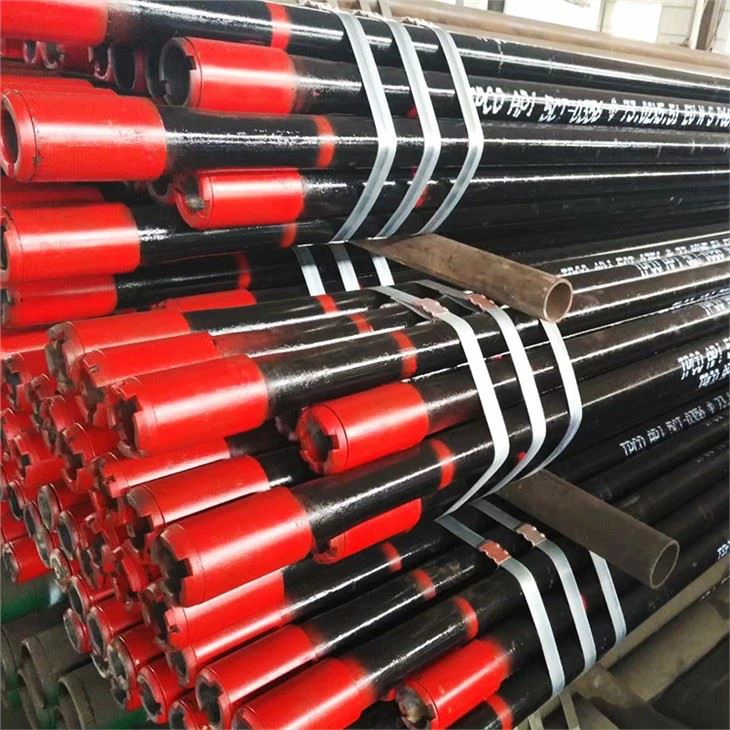
In addition to material considerations, the design and installation of casing significantly impact operational efficiency. Casing must be carefully selected to withstand the anticipated downhole pressures and temperatures without compromising its structural integrity over time. Improperly designed or installed casing can lead to costly delays, well failures, or environmental incidents, highlighting the importance of thorough planning and engineering expertise in Oil extraction projects.
Beyond its structural role, casing facilitates the implementation of advanced extraction techniques such as hydraulic fracturing (fracking). In these operations, casing not only supports the wellbore but also ensures that the fracturing fluids are injected into the target formation precisely as planned. This process maximizes the contact area between the wellbore and the reservoir, enhancing extraction rates and overall efficiency.
Maintaining and monitoring casing integrity throughout the life of the well is equally critical. Regular inspections using advanced technologies such as electromagnetic imaging and acoustic measurements allow engineers to detect potential issues such as corrosion, casing deformation, or fluid leakage early on. Timely interventions to Repair or replace casing ensure uninterrupted production and mitigate risks associated with well integrity failures.
Moreover, technological advancements continue to drive improvements in casing design and performance. Innovations such as expandable casing technology and nanotechnology-enhanced materials promise to further enhance efficiency and sustainability in oil extraction operations. These developments underscore the industry’s commitment to continuously improving operational practices while reducing environmental impact.
In conclusion, the role of casing in oil extraction operations cannot be overstated. From providing structural support and environmental protection to enabling advanced extraction techniques, casing plays a pivotal role in maximizing efficiency throughout the entire lifecycle of a well. By selecting appropriate materials, designing robust systems, and implementing rigorous monitoring protocols, operators can optimize production rates, minimize downtime, and ensure safe and sustainable oil extraction practices for years to come. As technology evolves and industry practices adapt, the quest for efficiency in oil extraction will continue to rely heavily on the amazing capabilities of well-engineered casing systems.