ابتكارات في تكنولوجيا أغلفة الزيت فائقة القوة والمقاومة للتآكل
دور المواد المتقدمة في عمليات الحفر في أعماق البحار
التأثير البيئي واستدامة تكنولوجيا تغليف النفط في أعماق البحار
البطل المجهول في الحفر في أعماق البحار: غلاف الزيت فائق القوة المقاوم للتآكل

أنابيب حقول النفط
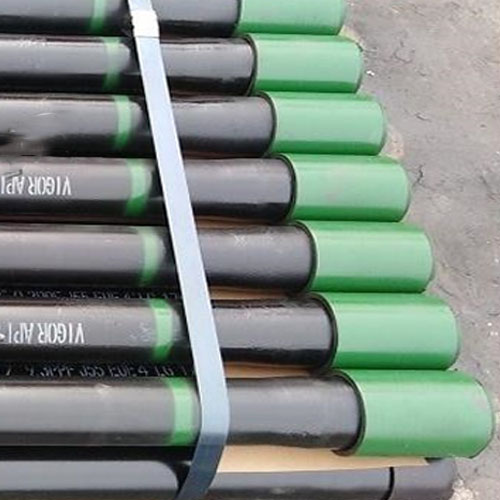
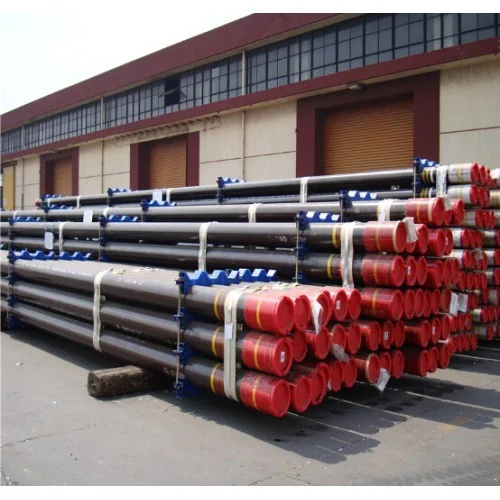
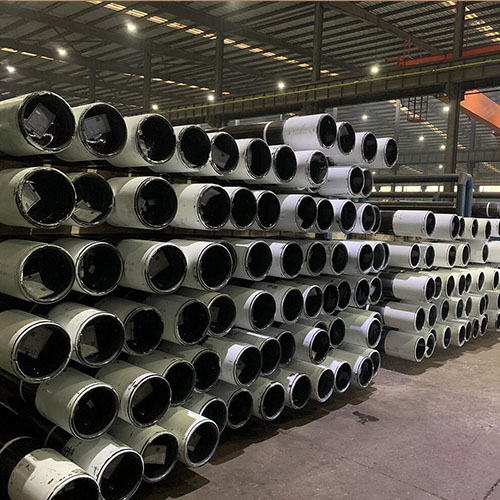
في أعماق المحيط الشاسعة، حيث يمكن أن تصل الضغوط إلى مستويات ساحقة وتكثر البيئات المسببة للتآكل، يمثل السعي لاستخراج النفط تحديات هائلة. إحدى التقنيات المهمة التي تمكن هذا المسعى هي غلاف الزيت فائق القوة المقاوم للتآكل. لا تتحمل هذه المادة المبتكرة الظروف القاسية للحفر في أعماق البحار فحسب، بل تلعب أيضًا دورًا محوريًا في تعزيز الاستدامة البيئية.
غالبًا ما تكافح مواد تغليف النفط التقليدية لتحمل التأثيرات المسببة للتآكل لمياه البحر والضغوط العالية التي تواجهها في أعماق سطح المحيط. . ومع ذلك، أدت التطورات في علم المعادن والمواد إلى تطوير سبائك توفر قوة غير مسبوقة ومقاومة للتآكل. تشكل هذه السبائك، التي تتكون عادةً من الكروم والنيكل والموليبدينوم من بين عناصر أخرى، حاجزًا وقائيًا يحمي الغلاف من التدهور على مدى فترات طويلة.
إن التأثير البيئي لتكنولوجيا أغلفة النفط في أعماق البحار يمتد إلى ما هو أبعد من مرونتها التشغيلية. ومن خلال استخدام مواد فائقة القوة ومقاومة للتآكل، يمكن للمشغلين تقليل مخاطر التسربات والانسكابات أثناء الحفر والاستخراج بشكل كبير. على عكس مواد التغليف القديمة التي قد تتدهور بمرور الوقت، تحافظ هذه السبائك المتقدمة على السلامة الهيكلية، مما يقلل من فرص التلوث البيئي.
علاوة على ذلك، فإن متانة غلاف النفط فائق القوة والمقاوم للتآكل تعمل على إطالة العمر التشغيلي لآبار النفط في أعماق البحار. ويترجم طول العمر هذا إلى عدد أقل من الآبار الجديدة التي يلزم حفرها، وبالتالي تقليل البصمة البيئية الإجمالية لأنشطة استخراج النفط البحرية. يؤكد الحفاظ على الموارد والطاقة المرتبطة بحفر آبار إضافية على فوائد الاستدامة للاستثمار في تقنيات التغليف المتقدمة.
يكمن جانب آخر مهم من الاستدامة البيئية في عملية تصنيع هذه المواد المتقدمة. وفي حين أن إنتاج السبائك نفسها يتطلب استخدامًا كثيفًا للموارد، فإن طول عمرها وخصائص أدائها تعوض بصمتها البيئية الأولية. علاوة على ذلك، تركز جهود البحث والتطوير المستمرة على تحسين كفاءة عمليات إنتاج السبائك وإعادة تدويرها، بهدف تقليل التأثير البيئي المرتبط بتكنولوجيا أغلفة النفط في أعماق البحار.
بالإضافة إلى فوائدها البيئية، فهي مقاومة للتآكل فائقة القوة. تساهم أغلفة الزيت أيضًا في السلامة التشغيلية. ومن خلال تعزيز موثوقية عمليات الحفر في أعماق البحار، تقلل هذه المواد من وقت التوقف عن العمل ومتطلبات الصيانة، وبالتالي تعزيز الكفاءة الشاملة. لا تقلل هذه الموثوقية من تكاليف التشغيل فحسب، بل تعمل أيضًا على تعزيز بروتوكولات السلامة من خلال تخفيف المخاطر المرتبطة بأعطال المعدات والحوادث البيئية غير المتوقعة. تكنولوجيا. يهدف البحث في السبائك الجديدة وتقنيات التصنيع إلى تحسين الأداء مع تقليل العواقب البيئية. بالإضافة إلى ذلك، فإن دمج تقنيات المراقبة الرقمية والصيانة التنبؤية يعزز الكفاءة التشغيلية لأنشطة استخراج النفط، مما يقلل من المخاطر البيئية. المسؤولية في الحفر في أعماق البحار. ومن خلال تخفيف المخاطر البيئية، وإطالة العمر التشغيلي، وتعزيز معايير السلامة، تلعب هذه المواد المتقدمة دورًا حاسمًا في تعزيز الممارسات المستدامة في صناعة النفط البحرية. مع استمرار تقدم البحث والتطوير، يعد مستقبل تكنولوجيا أغلفة النفط في أعماق البحار بخطوات أكبر نحو الإشراف البيئي والكفاءة التشغيلية.
In the vast depths of the ocean, where pressures can reach crushing extremes and corrosive environments abound, the quest for oil extraction presents formidable challenges. One of the critical technologies enabling this endeavor is ultra-strong corrosion-resistant oil casing. This innovative material not only withstands the harsh conditions of deep-sea drilling but also plays a pivotal role in enhancing environmental sustainability.
Traditional Oil casing materials often struggle to endure the corrosive effects of seawater and the high pressures encountered deep beneath the ocean’s surface. However, advancements in metallurgy and materials science have led to the development of alloys that offer unprecedented strength and resistance to corrosion. These alloys, typically composed of chromium, nickel, and molybdenum among other elements, form a protective barrier that shields the casing from degradation over prolonged periods.
The environmental impact of deep-sea oil casing technology extends beyond its operational resilience. By utilizing ultra-strong corrosion-resistant materials, operators can significantly reduce the risk of leaks and spills during drilling and extraction. Unlike older casing materials that may deteriorate over time, these advanced alloys maintain structural integrity, minimizing the chances of environmental contamination.
https://youtube.com/watch?v=W7UwxDk5yUQ
Moreover, the durability of ultra-strong corrosion-resistant oil casing extends the operational lifespan of deep-sea oil wells. This longevity translates to fewer new wells needing to be drilled, thereby reducing the overall environmental footprint of offshore oil extraction activities. The conservation of resources and energy associated with drilling additional wells underscores the sustainability benefits of investing in advanced casing technologies.
Another critical aspect of environmental sustainability lies in the manufacturing process of these advanced materials. While the alloys themselves are resource-intensive to produce, their longevity and performance characteristics offset their initial environmental footprint. Furthermore, ongoing research and development efforts focus on improving the efficiency of alloy production and recycling processes, aiming to further reduce the environmental impact associated with deep-sea oil casing technology.
In addition to their environmental benefits, ultra-strong corrosion-resistant oil casings also contribute to operational safety. By enhancing the reliability of deep-sea drilling operations, these materials minimize downtime and Maintenance requirements, thereby promoting overall efficiency. This reliability not only reduces operational costs but also enhances safety protocols by mitigating the risks associated with equipment failures and unexpected environmental incidents.
Looking ahead, the continued advancement of materials science holds promise for further improving the sustainability profile of deep-sea oil casing technology. Research into novel alloys and manufacturing techniques aims to enhance performance while minimizing environmental consequences. Additionally, the integration of digital monitoring and predictive maintenance technologies enhances the operational efficiency of oil extraction activities, further reducing environmental risks.
In conclusion, ultra-strong corrosion-resistant oil casing stands as a testament to the intersection of technological innovation and environmental responsibility in deep-sea drilling. By mitigating environmental risks, extending operational lifespan, and enhancing safety standards, these advanced materials play a crucial role in promoting sustainable practices within the offshore oil industry. As research and development continue to progress, the future of deep-sea oil casing technology promises even greater strides towards environmental stewardship and operational efficiency.