الأحجام القياسية لتغليف آبار النفط
تلعب أحجام أغلفة آبار النفط دورًا حاسمًا في حفر وإنتاج آبار النفط والغاز في جميع أنحاء العالم. تضمن هذه الأبعاد القياسية الكفاءة التشغيلية والسلامة والتوافق عبر بيئات الحفر المختلفة وتصميمات الآبار.
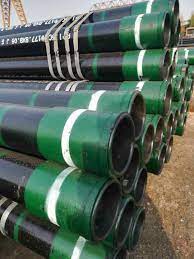
تم تحديد الأحجام المعلنة لأغلفة آبار النفط لتلبية المتطلبات الوظيفية المحددة طوال عملية الحفر والإكمال. يتم تصنيف أحجام الغلاف عادةً بناءً على القطر الخارجي وسمك الجدار ودرجة المواد المستخدمة. بشكل عام، تتراوح أحجام الغلاف من 4 1/2 بوصة إلى 20 بوصة في القطر الخارجي، مع اختلافات في سمك الجدار لاستيعاب ظروف قاع البئر المختلفة.
الغرض الأساسي من الغلاف هو توفير السلامة الهيكلية لحفرة البئر ومنعها من الانهيار تحت الضغط من التكوينات الصخرية المحيطة. بالإضافة إلى ذلك، يعمل الغلاف على عزل التكوينات الجيولوجية المختلفة لمنع اختلاط السوائل وضمان الاستخراج الفعال للنفط أو الغاز.
يتيح توحيد أحجام الغلاف التكامل السلس لمعدات قاع البئر مثل المضخات وأجهزة التعبئة وأدوات الإكمال الأخرى. يضمن هذا التوحيد التوافق عبر تصميمات الآبار المختلفة ويسهل عمليات الحفر الفعالة.
من الناحية العملية، يتم تحديد اختيار أحجام الغلاف من خلال عدة عوامل، بما في ذلك عمق البئر، وظروف الضغط ودرجة الحرارة في أسفل البئر، والخصائص الجيولوجية للبئر. التشكيلات التي يتم حفرها. تتطلب الآبار العميقة وتلك الموجودة في الخزانات ذات الضغط العالي عادةً غلافًا أكثر سمكًا وأقوى لتحمل ظروف قاع البئر الصعبة.
علاوة على ذلك، يؤثر اختيار حجم الغلاف أيضًا على التكلفة الإجمالية وكفاءة عملية الحفر. تسمح أقطار الغلاف الأكبر حجمًا بأنابيب إنتاج أكبر، مما يمكن أن يعزز معدلات تدفق النفط والغاز من المكمن إلى السطح. على العكس من ذلك، يمكن استخدام أحجام أغلفة أصغر في الآبار الضحلة أو في التكوينات التي يكون فيها ضغط المكمن أقل ويكفي الغلاف الأقل قوة.
يضع معهد البترول الأمريكي ( API) معايير لأحجام أغلفة آبار النفط، مما يضمن الاتساق والموثوقية في صناعة النفط والغاز على مستوى العالم. يتم تحديث هذه المعايير بشكل دوري لدمج التطورات التكنولوجية وأفضل ممارسات الصناعة، وبالتالي تعزيز السلامة والكفاءة التشغيلية.
بالإضافة إلى الأحجام القياسية، يتم تصنيف الغلاف أيضًا بناءً على درجة المادة الخاصة به، والتي تشير إلى خصائص القوة ومقاومة التآكل للغلاف. . تشمل المواد الشائعة المستخدمة في الغلاف الفولاذ الكربوني والسبائك المختلفة التي يتم اختيارها بناءً على الظروف المحددة للبئر.
علاوة على ذلك، يتضمن تركيب الغلاف تخطيطًا وهندسة دقيقة لضمان التثبيت المناسب بين الغلاف وجدار حفرة البئر. تعمل عملية التثبيت هذه على تعزيز السلامة الهيكلية للبئر وتوفر عزلًا منطقيًا لمنع هجرة السوائل بين التكوينات المختلفة. استخراج موارد النفط والغاز. ومن خلال الالتزام بالأبعاد القياسية ومواصفات المواد، يمكن للمشغلين تخفيف المخاطر وتحسين الإنتاج والمساهمة في التنمية المستدامة لموارد الطاقة في جميع أنحاء العالم.
أهمية مواصفات الحجم في غلاف آبار النفط
api 5ct L80 9Cr casing أفضل شركة صينية
الاتجاهات المستقبلية في أحجام أغلفة آبار النفط
في مجال استخراج النفط، تلعب أبعاد التغليف المستخدم في الآبار دوراً محورياً في ضمان النجاح والكفاءة التشغيلية. الأحجام المحددة لأغلفة آبار النفط ليست عشوائية؛ بدلاً من ذلك، يتم اختيارها بدقة بناءً على الظروف الجيولوجية وتصميم الآبار ومتطلبات الإنتاج لكل مشروع حفر محدد.
يتم تحديد أحجام أغلفة آبار النفط من خلال القطر الخارجي (OD) وسمك الجدار، الذي يتم قياسه عادةً بالبوصة. تتراوح الأحجام شائعة الاستخدام من 4.5 بوصة إلى 20 بوصة في القطر الخارجي، مع اختلاف سماكة الجدار اعتمادًا على العمق وظروف الضغط التي سيواجهها الغلاف. تم توحيد هذه الأحجام عبر الصناعة لتسهيل التوافق مع معدات الحفر وأدوات إكمال الآبار.
يعد اختيار حجم الغلاف قرارًا حاسمًا يتم اتخاذه أثناء مرحلة التخطيط لعمليات الحفر. فهو يؤثر بشكل مباشر على سلامة البئر، وكفاءة الإنتاج، وفعالية التكلفة بشكل عام. عادةً ما يتم استخدام أقطار التغليف الأكبر في الآبار العميقة أو تلك ذات البيئات ذات الضغط العالي لتحمل القوى التي تمارسها التكوينات الجيولوجية والسوائل.
لقد أثر التقدم في تكنولوجيا الحفر والمشهد المتطور للتنقيب عن النفط والغاز على الاتجاهات في أحجام التغليف. ومع امتداد الحفر إلى خزانات أعمق وتكوينات جيولوجية أكثر تحديًا، هناك طلب متزايد على أحجام أغلفة أكبر قادرة على تحمل الضغوط ودرجات الحرارة الأعلى. هذا الاتجاه مدفوع بالحاجة إلى تعزيز سلامة الآبار وضمان ممارسات استخراج النفط الآمنة والمستدامة.
علاوة على ذلك، أتاحت الابتكارات التكنولوجية في علوم المواد وعمليات التصنيع تطوير مواد أغلفة أقوى وأكثر متانة. يتم استخدام السبائك الفولاذية عالية القوة والمواد المركبة بشكل متزايد لتعزيز أداء الغلاف مع تقليل الوزن والتكاليف المرتبطة بالنقل والتركيب.
بالإضافة إلى التقدم في الحجم والمواد، هناك اتجاه ملحوظ نحو التخصيص وتحسين تصميمات الغلاف لتناسب تلبية ظروف البئر المحددة والمتطلبات التشغيلية. يتضمن ذلك استخدام تقنيات التغليف القابلة للتوسيع التي تسمح بالتوسع في الموقع لتعزيز استقرار وتكامل حفرة البئر.
علاوة على ذلك، تشكل الاعتبارات البيئية والمتطلبات التنظيمية الاتجاهات المستقبلية في أحجام أغلفة آبار النفط. هناك تركيز متزايد على الحد من التأثير البيئي وتحسين ممارسات بناء الآبار لتقليل المخاطر مثل فشل الغلاف وتسرب السوائل. وقد أدى ذلك إلى تطوير تصميمات أغلفة متقدمة وتقنيات تركيب تهدف إلى تعزيز سلامة الآبار وتخفيف المخاطر البيئية.
وبالنظر إلى المستقبل، من المرجح أن يتميز مستقبل أحجام أغلفة آبار النفط بالابتكار المستمر والتكيف لتلبية المتطلبات المتطورة الصناعة. يتضمن ذلك تكامل التقنيات الرقمية وتحليلات البيانات في الوقت الفعلي لتحسين اختيار الغلاف والأداء طوال دورة حياة البئر.
في الختام، تعد الأحجام المعلنة لأغلفة آبار النفط حجر الزاوية في عمليات الحفر الحديثة، المصممة لضمان البئر. النزاهة والكفاءة التشغيلية والإشراف البيئي. مع استمرار الصناعة في التطور، ستتطور أيضًا التقنيات والممارسات المحيطة بأحجام الغلاف، مما يعكس التقدم المستمر في تقنيات الحفر وعلوم المواد والمعايير التنظيمية. ومن خلال تبني هذه الاتجاهات، يستطيع قطاع النفط والغاز تلبية الطلب العالمي على الطاقة بشكل مستدام مع تقليل التأثير البيئي

Secondly, the size of the casing determines the Diameter of the wellbore—the hole drilled into the ground. This, in turn, affects the size of the equipment that can be used during drilling and completion operations. standardized casing sizes allow for the use of compatible tools and equipment, streamlining the drilling process and reducing costs associated with customization and inefficiencies.
https://youtube.com/watch?v=TFftwFKh3XMMoreover, the declared sizes of Oil well casing are critical for Cementing operations. After the casing is installed, cement is pumped into the wellbore to create a secure barrier between the casing and the surrounding geological formations. The size of the casing dictates the volume of cement required and influences the effectiveness of the cementing process in preventing leaks and maintaining well integrity over time.
In practice, oil well casing sizes are designated according to specific measurements known as “nominal diameters” and “nominal Wall thicknesses.” These measurements are standardized by organizations such as the American petroleum Institute (API) and the International Organization for Standardization (ISO). For example, common nominal diameters for oil well casing range from 4.5 inches to 30 inches or more, with corresponding wall thicknesses varying based on the depth and geological conditions of the well.
The process of selecting the appropriate casing size begins during the well planning phase and involves considerations such as the anticipated downhole pressures, the characteristics of the reservoir, and the regulatory requirements of the jurisdiction where the well is located. Engineers and drilling professionals meticulously calculate and analyze these factors to determine the optimal casing size that will ensure the safe and efficient extraction of Oil and gas reserves.
Furthermore, the declared sizes of oil well casing are subject to rigorous quality control measures to verify compliance with industry standards. Manufacturers conduct tests to assess the mechanical properties, dimensional accuracy, and resistance to corrosion of the casing materials. This quality assurance process is essential to mitigate risks associated with casing failure and to uphold the reliability and longevity of oil and gas wells.
In conclusion, while the declared sizes of oil well casing may seem like technical specifications, they are integral to the success and safety of oil and gas exploration and production activities. Standardized sizing ensures compatibility, enhances operational efficiency, and supports the integrity of wells throughout their lifecycle. As the industry continues to evolve with advancements in technology and extraction techniques, adherence to size specifications remains a cornerstone of responsible and sustainable resource development.
Future Trends in Oil Well Casing Sizes
In the realm of oil extraction, the dimensions of casing used in wells play a pivotal role in ensuring operational success and efficiency. The specified sizes of oil well casing are not arbitrary; rather, they are meticulously selected based on the geological conditions, well design, and production requirements of each specific drilling project.
Oil well casing sizes are defined by the outer diameter (OD) and wall thickness, usually measured in inches. commonly used sizes range from 4.5 inches to 20 inches in outer diameter, with varying wall thicknesses depending on the depth and pressure conditions the casing will encounter. These sizes are standardized across the industry to facilitate compatibility with drilling equipment and well completion tools.
The selection of casing size is a critical decision made during the planning phase of drilling operations. It directly impacts well integrity, production efficiency, and overall cost-effectiveness. Larger casing diameters are typically employed in deeper wells or those with higher pressure environments to withstand the forces exerted by geological formations and fluids.
Advancements in drilling technology and the evolving landscape of oil and gas exploration have influenced trends in casing sizes. As drilling extends into deeper reservoirs and more challenging geological formations, there is a growing demand for larger casing sizes capable of withstanding higher pressures and temperatures. This trend is driven by the need to enhance well integrity and ensure safe and sustainable oil extraction practices.
Furthermore, technological innovations in materials science and manufacturing processes have enabled the development of stronger and more durable casing materials. High-strength steel alloys and composite materials are increasingly being utilized to enhance casing performance while reducing Weight and costs associated with transportation and installation.
In addition to size and material advancements, there is a notable trend towards customization and optimization of casing designs to meet specific well conditions and operational requirements. This includes the use of expandable casing technologies that allow for in-situ expansion to enhance wellbore stability and integrity.
Moreover, environmental considerations and regulatory requirements are shaping future trends in oil well casing sizes. There is a growing emphasis on reducing environmental impact and improving well construction practices to minimize risks such as casing failure and fluid Leakage. This has led to the development of advanced casing designs and installation techniques aimed at enhancing well integrity and mitigating environmental risks.
Looking ahead, the future of oil well casing sizes is likely to be characterized by continued innovation and adaptation to meet the evolving demands of the industry. This includes the integration of digital technologies and real-time data analytics to optimize casing selection and performance throughout the lifecycle of a well.
In conclusion, the declared sizes of oil well casing are a cornerstone of modern drilling operations, designed to ensure well integrity, operational efficiency, and environmental stewardship. As the industry continues to evolve, so too will the technologies and practices surrounding casing sizes, reflecting ongoing advancements in drilling techniques, materials science, and regulatory standards. By embracing these trends, the oil and gas sector can sustainably meet global energy demands while minimizing environmental impact.