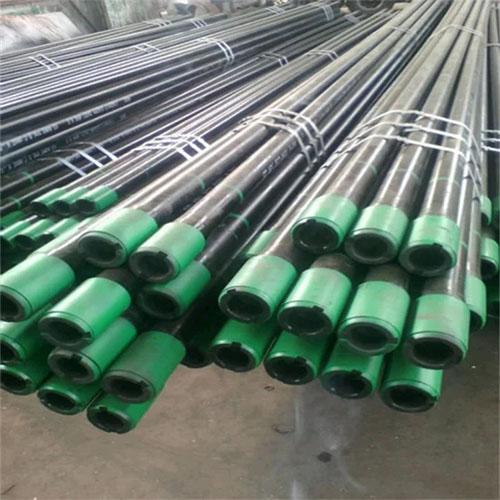
أنواع الأنابيب المستخدمة في تغليف الآبار
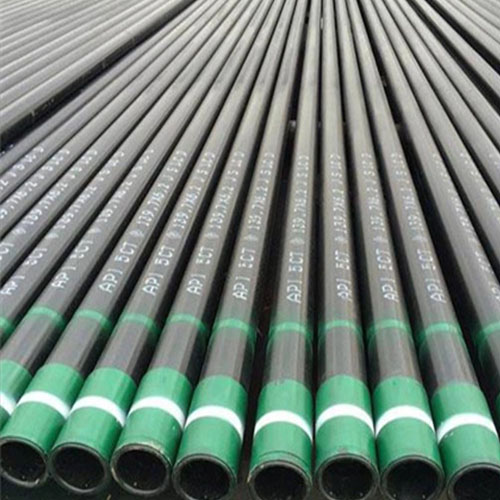
علاوة على ذلك، يعد الالتزام بالمعايير والشهادات الدولية أمرًا بالغ الأهمية لضمان موثوقية وسلامة أنابيب تغليف الآبار. تحدد المعايير مثل تلك التي وضعها معهد البترول الأمريكي ( API)، وastm International، والمنظمة الدولية للمعايير (ISO) مواصفات صارمة لمواد الأنابيب وعمليات التصنيع وخصائص الأداء. إن الامتثال لهذه المعايير لا يضمن جودة الأنابيب فحسب، بل يضمن أيضًا التوافق مع البنية التحتية الحالية للأبار والأطر التنظيمية.
في الختام، يعكس تنوع مواد الأنابيب المتاحة لتغليف الآبار مدى تعقيد الاعتبارات المرتبطة باختيار المادة المناسبة الوظيفة. سواء أكانت من الفولاذ لقوته، أو PVC لتعدد استخداماته، أو FRP لمقاومته للتآكل، فإن كل مادة توفر مزايا مميزة يمكن الاستفادة منها اعتمادًا على الاحتياجات المحددة للبئر وبيئة التشغيل الخاصة به. ومن خلال الالتزام بالمعايير الصارمة وإجراء تقييمات شاملة للعوامل الجيولوجية والتشغيلية، يمكن لأصحاب المصلحة اتخاذ قرارات مستنيرة تعزز الاستدامة وكفاءة أنظمة آبار المياه على المدى الطويل.
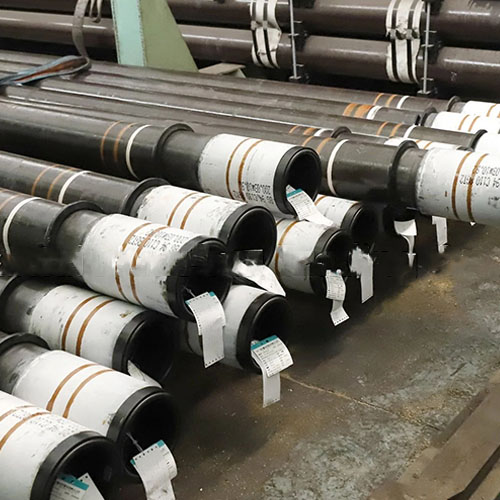
The selection of the appropriate Pipe material for well casing involves careful consideration of several factors beyond basic material properties. Factors such as well depth, hydrogeological conditions, anticipated water chemistry, and regulatory requirements all influence the choice. For instance, wells drilled in environmentally sensitive areas may necessitate materials that are non-toxic and inert to prevent contamination of groundwater sources.
https://youtube.com/watch?v=euW6dpTXVfYMoreover, adherence to international standards and certifications is paramount to ensuring the reliability and safety of well casing pipes. Standards such as those set by the American petroleum Institute (API), ASTM International, and the International Organization for Standardization (ISO) outline rigorous specifications for pipe materials, manufacturing processes, and performance characteristics. Compliance with these standards not only guarantees the quality of the pipes but also ensures compatibility with existing well infrastructure and regulatory frameworks.
In conclusion, the diversity of pipe materials available for well casing reflects the complexity of considerations involved in choosing the right material for the job. Whether it’s steel for its strength, PVC for its versatility, or FRP for its Corrosion resistance, each material offers distinct advantages that can be leveraged depending on the specific needs of the well and its operational environment. By adhering to stringent standards and conducting thorough assessments of geological and operational factors, stakeholders can make informed decisions that promote the long-term sustainability and efficiency of water well systems.