استكشاف وإنتاج النفط البحري: الاتجاهات والتقنيات الحالية
أين شوهدت الاستخدامات الحديثة لأغلفة النفط؟
https://youtube.com/watch?v=RE2SoEdCgoQ
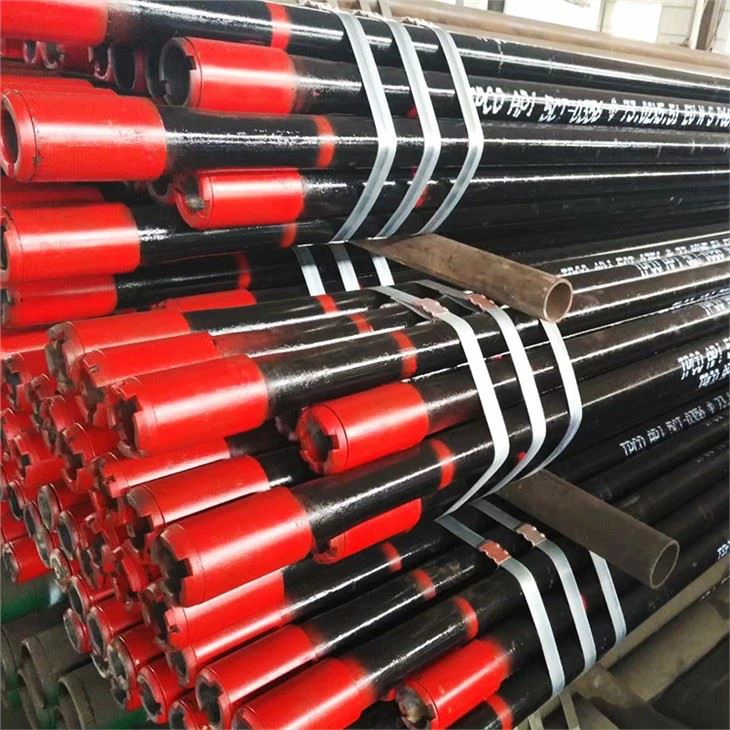
في مجال التنقيب عن النفط وإنتاجه في الخارج، يلعب استخدام غلاف النفط دورًا حاسمًا في ضمان النجاح التشغيلي والسلامة البيئية. غلاف النفط، وهو عبارة عن أنبوب فولاذي أسطواني يتم إدخاله في بئر محفور لتحقيق الاستقرار في حفرة البئر ومنع الانهيار والتآكل وهجرة السوائل، يشهد تطورات كبيرة وتطبيقات مبتكرة في العمليات البحرية المعاصرة.
يظهر استخدام غلاف النفط بشكل خاص في المياه العميقة مساعي الحفر، حيث تتطلب الضغوط ودرجات الحرارة القصوى حلولاً هندسية قوية. تم تجهيز الحفارات البحرية الحديثة بتصميمات أغلفة متقدمة تتضمن مواد عالية القوة وتقنيات تدعيم متطورة لتحمل البيئات البحرية القاسية ومنع فشل سلامة الآبار. لا تعمل هذه التطورات على تعزيز الكفاءة التشغيلية فحسب، بل تخفف أيضًا من المخاطر المرتبطة بالحفر البحري.
علاوة على ذلك، أحدث اعتماد تقنيات أغلفة النفط الذكية ثورة في ممارسات التنقيب عن النفط البحري. يتم تضمين أنظمة التغليف الذكية مع أجهزة استشعار وأجهزة مراقبة توفر بيانات في الوقت الفعلي عن ظروف قاع البئر مثل الضغط ودرجة الحرارة وتكوين السوائل. تسمح قدرة المراقبة في الوقت الفعلي هذه للمشغلين باتخاذ قرارات مستنيرة على الفور، مما يضمن الإدارة المثلى للخزان وتعزيز كفاءة الإنتاج الإجمالية.
علاوة على ذلك، فإن تطبيق تكنولوجيا أغلفة النفط القابلة للتوسيع يكتسب أهمية في العمليات البحرية. تتيح الأغلفة القابلة للتوسيع للمشغلين توسيع قطر الغلاف بعد التثبيت، أو استيعاب التغييرات في ظروف الخزان أو تعزيز معدلات الإنتاج دون الحاجة إلى عمليات صيانة مكلفة. لا تقلل هذه التقنية من وقت التوقف عن العمل فحسب، بل تعمل أيضًا على زيادة عمر وإنتاجية الآبار البحرية، وبالتالي تحسين العائد على الاستثمار.
في السنوات الأخيرة، كان هناك تحول ملحوظ نحو الممارسات المستدامة في التنقيب عن النفط وإنتاجه في البحر. لقد دفعت اللوائح البيئية والضغوط المجتمعية الجهات الفاعلة في الصناعة إلى اعتماد مواد وتقنيات غلاف صديقة للبيئة. يجري تطوير مواد التغليف القابلة للتحلل الحيوي وإعادة التدوير لتقليل البصمة البيئية للعمليات البحرية، مما يدل على الالتزام بالإشراف البيئي مع الحفاظ على التميز التشغيلي.
بالإضافة إلى ذلك، أحدث دمج تقنية التوأم الرقمي في تصميم ومحاكاة أغلفة النفط ثورة في التخطيط والتنفيذ. مراحل المشاريع البحرية. تعمل التوائم الرقمية على إنشاء نسخ طبق الأصل افتراضية من الأصول المادية، مما يسمح للمهندسين بمحاكاة سيناريوهات التشغيل المختلفة وتحسين معلمات تصميم الغلاف قبل النشر. تعمل قدرة النمذجة الافتراضية هذه على تحسين الموثوقية وتقليل التكاليف وتسريع وقت الوصول إلى السوق للتطورات الخارجية.
علاوة على ذلك، أدى ظهور الأتمتة والروبوتات إلى تبسيط أنشطة تركيب وصيانة الغلاف في البيئات البحرية. تُستخدم الأنظمة الروبوتية في تنفيذ العمليات الجارية، وتحسين الدقة والسلامة مع تقليل التدخل البشري في الظروف الخطرة. تعمل أدوات الفحص الذاتي المجهزة بخوارزميات الذكاء الاصطناعي على تعزيز اكتشاف عيوب الغلاف والتدهور، مما يضمن إجراء صيانة استباقية وإطالة عمر الأصول.

الابتكارات في تقنيات التنقيب عن النفط البري
أفضل المصانع الصينية
In the realm of onshore Oil drilling, innovations in oil casing usage have significantly transformed the efficiency and safety of operations. Oil casing, a critical component of well construction, plays a pivotal role in maintaining well integrity, preventing formation collapse, and ensuring efficient extraction of Oil and gas reserves. In recent years, advancements in technology and materials have led to the development of more robust and adaptable casing systems, catering to the diverse geological and operational challenges encountered in onshore drilling.
One notable area where these up-to-date uses of oil casing are witnessed is in the application of advanced materials. Traditionally, oil casings were predominantly made of steel, offering strength and durability. However, the demand for casings that can withstand corrosive environments, extreme temperatures, and high-pressure conditions has spurred the adoption of corrosion-resistant alloys (CRAs) and composite materials. These innovative materials not only enhance the longevity of casings but also improve operational safety by reducing the risk of casing failures due to corrosion or mechanical stress.
Moreover, the design and engineering of oil casings have undergone significant refinements to meet the evolving needs of onshore drilling operations. Engineers now utilize computer-aided design (CAD) software and simulations to optimize casing dimensions, thicknesses, and configurations based on specific well conditions and geological characteristics. This tailored approach ensures that casings can effectively withstand the pressures exerted by surrounding rock formations while facilitating the efficient flow of hydrocarbons to the surface.
In addition to material advancements and design optimizations, the installation and Cementing techniques associated with oil casing have also seen considerable innovation. For instance, innovations in casing running tools and techniques have streamlined the process of lowering and positioning casings within wells, minimizing downtime and operational risks. Furthermore, advancements in cementing technology, such as the development of high-performance cement blends and automated cementing systems, have improved the quality and reliability of casing cement jobs, thereby enhancing well integrity and zonal isolation.
Another crucial aspect where modern oil casing technologies shine is in their adaptability to unconventional drilling environments. As the industry explores increasingly challenging geological formations and reservoirs, such as shale and tight sands, the demand for casings that can withstand complex drilling conditions has intensified. Innovations such as expandable casings, which can be deployed in wells with irregular borehole sizes or formations prone to instability, demonstrate the industry’s commitment to overcoming these challenges effectively.
Furthermore, the integration of digital technologies and sensors into oil casing systems represents a frontier of innovation in onshore drilling. Smart casings embedded with sensors can provide real-time data on casing integrity, downhole conditions, and fluid movements, allowing operators to monitor and optimize well performance remotely. These technological advancements not only enhance operational efficiency but also contribute to proactive Maintenance and early detection of potential issues, thereby reducing downtime and minimizing environmental risks.
In conclusion, the up-to-date uses of oil casing in onshore oil drilling reflect a dynamic landscape of technological innovation and engineering excellence. From advanced materials and optimized designs to innovative installation techniques and smart technologies, these developments underscore the industry’s commitment to enhancing safety, efficiency, and sustainability in oil exploration and production. As the demand for energy continues to grow, the continued evolution of oil casing technologies will play a crucial role in unlocking new reserves and maximizing the potential of existing ones, ensuring a resilient future for the global energy industry.