تأثير التوترات الجيوسياسية على أسعار غلاف النفط
تأثير اضطرابات سلسلة التوريد على سوق غلاف النفط
https://youtube.com/watch?v=J1ao9j7SS_Yالعوامل الديناميكية لتقلبات أسعار السوق في أغلفة النفط
أنابيب تغليف النفط أفضل الشركات المصنعة الصينية يعتبر سوق أغلفة النفط حساسًا للغاية لعدد لا يحصى من العوامل الديناميكية التي تساهم في تقلب أسعار السوق. أحد التأثيرات المحورية على تحركات الأسعار هذه هو الاضطرابات داخل سلسلة التوريد. إن فهم كيفية تأثير اضطرابات سلسلة التوريد على سوق أغلفة النفط يتطلب فحصًا شاملاً للشبكة المعقدة التي تدعم إنتاج وتوزيع هذه السلعة الحيوية.
في جوهرها، تشمل سلسلة التوريد لغلاف النفط شبكة معقدة من الأنشطة التي تشمل المواد الخام الاستخراج وعمليات التصنيع والعمليات اللوجستية وشبكات التوزيع العالمية. أي انقطاع في أي نقطة على طول هذه السلسلة يمكن أن يكون له تأثيرات متتالية على توافر وتسعير منتجات أغلفة النفط في جميع أنحاء العالم.
أحد العوامل المهمة التي تساهم في اضطرابات سلسلة التوريد في سوق أغلفة النفط هو التقلب في إمدادات المواد الخام. ويعتمد إنتاج أغلفة النفط في المقام الأول على الفولاذ عالي الجودة، والذي يخضع في حد ذاته لتقلبات الأسعار وقيود التوافر. يمكن للتغيرات في سوق الصلب العالمية، والتي تتأثر بعوامل مثل التوترات الجيوسياسية والسياسات التجارية والتحولات في الطلب، أن تؤثر بشكل مباشر على تكلفة وتوافر الفولاذ لمصنعي أغلفة النفط. وبالتالي، فإن التقلبات في أسعار الصلب بسبب نقص العرض أو زيادة الطلب يمكن أن تسبب تأثيرات مضاعفة في جميع أنحاء سلسلة التوريد، مما يؤدي إلى عدم استقرار الأسعار في منتجات تغليف النفط.
علاوة على ذلك، يمكن أن تؤثر الاضطرابات في عمليات التصنيع أيضًا بشدة على ديناميكيات سلسلة التوريد الخاصة بتغليف النفط. . يتضمن تصنيع أغلفة النفط معدات وتقنيات متخصصة تكون عرضة للأعطال أو تأخير الصيانة أو اختناقات الإنتاج. يمكن أن تؤدي المشكلات الناشئة عن فشل المعدات أو نقص العمالة الماهرة أو التغييرات التنظيمية إلى تعطيل جداول الإنتاج، مما يؤدي إلى تأخير تسليم المنتج وزيادة التكاليف. لا تؤثر هذه الاضطرابات على توافر منتجات أغلفة النفط في الوقت المناسب فحسب، بل تساهم أيضًا في زيادة عدم اليقين في الأسعار حيث يتكيف المصنعون لتخفيف خسائر الإنتاج وتلبية الطلب في السوق.
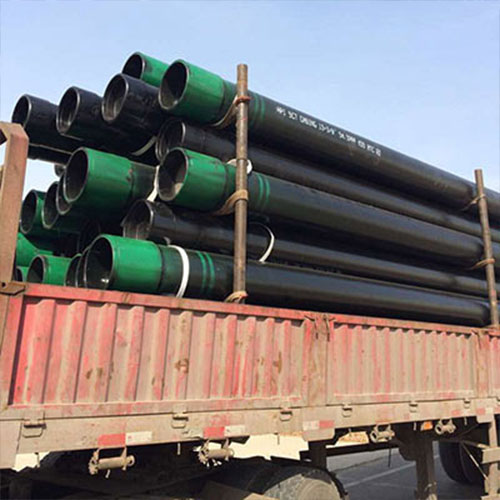
تؤدي التحديات اللوجستية إلى تفاقم اضطرابات سلسلة التوريد في سوق أغلفة النفط. يتضمن نقل المواد الخام والمكونات والمنتجات النهائية عبر مسافات شاسعة التنسيق بين العديد من أصحاب المصلحة، بما في ذلك الموردين ووكلاء الشحن وشركات الشحن. يمكن أن يؤدي التأخير في النقل، سواء كان ذلك بسبب سوء الأحوال الجوية أو ازدحام الموانئ أو العقبات التنظيمية، إلى تعطيل جداول التوريد وتضخيم التكاليف التشغيلية. يمكن أن تؤدي مثل هذه الاضطرابات إلى نقص مؤقت في منتجات تغليف النفط في الأسواق الرئيسية، مما يؤدي إلى ارتفاعات قصيرة المدى في الأسعار حيث يكافح العرض لتلبية الطلب.
علاوة على ذلك، تلعب الأحداث العالمية وعوامل الاقتصاد الكلي دورًا مهمًا في تشكيل اضطرابات سلسلة التوريد داخل قطاع النفط. سوق الغلاف. يمكن للكوارث الطبيعية، والاضطرابات السياسية، والأوبئة أن تعطل مراكز الإنتاج، وطرق النقل، والتدفقات التجارية، مما يخلق صدمات في العرض يتردد صداها عبر سلسلة التوريد بأكملها. يمكن أن تؤدي هذه الصدمات الخارجية إلى شكوك غير مسبوقة في السوق، مما يؤدي إلى تقلبات في أسعار غلاف النفط بينما يتنقل أصحاب المصلحة عبر التحديات التي تفرضها هذه الأحداث.
في الختام، تعد اضطرابات سلسلة التوريد جزءًا لا يتجزأ من فهم ديناميكيات تقلب أسعار السوق في غلاف النفط صناعة. إن الطبيعة المترابطة لسلسلة التوريد، إلى جانب قابليتها للتأثر بمختلف العوامل الداخلية والخارجية، تؤكد حاجة أصحاب المصلحة إلى اعتماد استراتيجيات قوية لإدارة المخاطر وخطط الطوارئ. ومن خلال معالجة نقاط الضعف في سلسلة التوريد وتعزيز المرونة، يمكن لأصحاب المصلحة التخفيف من تأثير الاضطرابات وتعزيز بيئة سوق أكثر استقرارًا وقابلية للتنبؤ لمنتجات تغليف النفط على مستوى العالم. مع استمرار تطور الصناعة، ستكون التدابير الاستباقية لإدارة مخاطر سلسلة التوريد حاسمة في التغلب على تعقيدات ديناميكيات السوق وضمان النمو المستدام في قطاع تغليف النفط.
Influence of Supply Chain Disruptions on Oil casing Market
Dynamic Factors of Market Price Fluctuation in Oil Casing
petroleum casing Pipe best Chinese ManufacturersThe oil casing market is highly sensitive to a myriad of dynamic factors that contribute to the fluctuation of market prices. One of the pivotal influences on these price movements is the disruptions within the supply chain. Understanding how supply chain disruptions impact the oil casing market requires a comprehensive examination of the intricate network that supports the production and distribution of this critical commodity.
At its core, the supply chain for oil casing encompasses a complex web of activities involving raw material extraction, manufacturing processes, logistical operations, and global distribution networks. Any disruption at any point along this chain can have cascading effects on the availability and pricing of oil casing products worldwide.
One significant factor contributing to supply chain disruptions in the oil casing market is the volatility in raw material supply. The production of oil casing primarily relies on high-grade steel, which itself is subject to price fluctuations and availability constraints. Changes in the global steel market, influenced by factors such as geopolitical tensions, trade policies, and shifts in demand, can directly impact the cost and availability of steel for oil casing manufacturers. Consequently, fluctuations in steel prices due to supply shortages or increased demand can cause ripple effects throughout the supply chain, leading to price instability in oil casing products.
Moreover, disruptions in manufacturing processes can also severely impact the supply chain dynamics of oil casing. The manufacturing of oil casing involves specialized equipment and technologies that are susceptible to breakdowns, Maintenance delays, or production bottlenecks. Issues arising from equipment failure, shortages of skilled labor, or regulatory changes can disrupt production schedules, leading to delays in product delivery and increased costs. These disruptions not only affect the timely availability of oil casing products but also contribute to uncertainties in pricing as Manufacturers adjust to mitigate production losses and meet market demand.
Logistical challenges further exacerbate supply chain disruptions in the oil casing market. The transportation of raw materials, components, and finished products across vast distances involves coordination among multiple stakeholders, including Suppliers, freight forwarders, and shipping Companies. Delays in transportation, whether due to inclement weather, port congestion, or regulatory hurdles, can disrupt supply schedules and inflate operational costs. Such disruptions can cause temporary shortages of oil casing products in key markets, leading to short-term spikes in prices as supply struggles to meet demand.
Furthermore, global events and macroeconomic factors play a significant role in sh APIng supply chain disruptions within the oil casing market. Natural disasters, political unrest, and pandemics can disrupt production hubs, transportation routes, and trade flows, creating supply shocks that reverberate across the entire supply chain. These external shocks can introduce unprecedented uncertainties into the market, prompting volatility in oil casing Prices as stakeholders navigate through the challenges posed by these events.
In conclusion, supply chain disruptions are integral to understanding the dynamics of market price fluctuation in the oil casing industry. The interconnected nature of the supply chain, coupled with its susceptibility to various internal and external factors, underscores the need for stakeholders to adopt robust risk management strategies and contingency plans. By addressing vulnerabilities in the supply chain and enhancing resilience, stakeholders can mitigate the impact of disruptions and foster a more stable and predictable market environment for oil casing products globally. As the industry continues to evolve, proactive measures to manage supply chain risks will be crucial in navigating the complexities of market dynamics and ensuring sustainable growth in the oil casing sector.