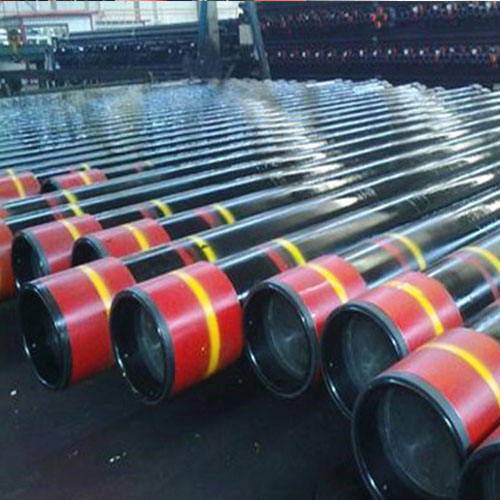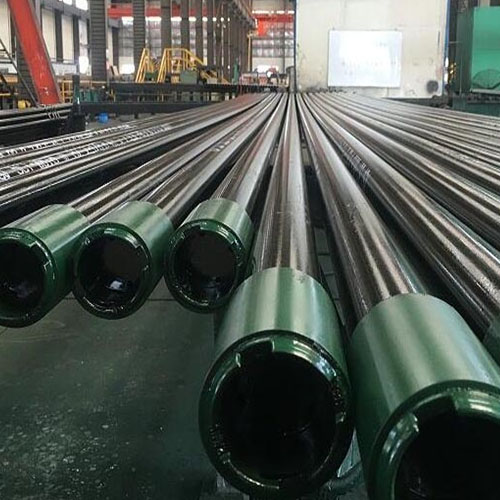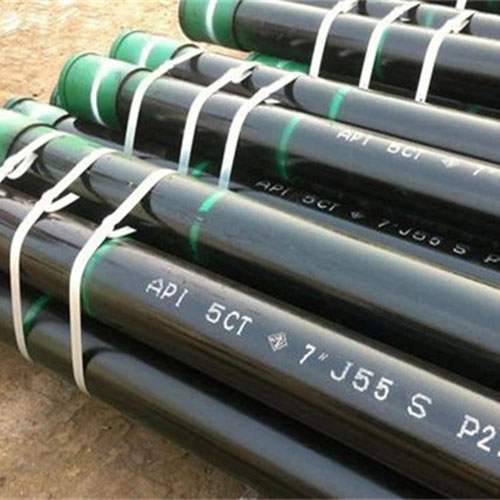
الخصائص المادية لمواد تغليف الزيت
السمات البارزة واختيار مواد تغليف الزيت
https://youtube.com/watch?v=W7UwxDk5yUQ
أنابيب الصلب أفضل المصدرين الصينيين
تُعد مقاومة التآكل سمة حيوية أخرى، نظرًا للبيئة القاسية داخل آبار النفط. يمكن أن يؤدي التلامس مع السوائل التي تحتوي على عناصر مسببة للتآكل، مثل كبريتيد الهيدروجين (H2S) وثاني أكسيد الكربون (CO2)، إلى التدهور بمرور الوقت إذا لم تكن مادة الغلاف مقاومة بشكل كافٍ. يُفضل الفولاذ المقاوم للصدأ والسبائك المقاومة للتآكل (CRAs) لقدرتها على مقاومة هذه العناصر المسببة للتآكل، وبالتالي إطالة عمر الغلاف وتقليل تكاليف الصيانة.
تختلف ظروف درجة الحرارة والضغط داخل خزانات النفط بشكل كبير، مما يستلزم دراسة متأنية للمواد السلوك في ظل ظروف بيئية مختلفة. يعد الاستقرار الحراري ومقاومة التقصف عند درجات الحرارة المنخفضة من العوامل الحاسمة في ضمان حفاظ الغلاف على سلامته طوال عمر البئر. تم تصميم بعض السبائك خصيصًا للاحتفاظ بخصائصها الميكانيكية حتى في درجات الحرارة القصوى، مما يوفر الموثوقية في بيئات التشغيل الصعبة.
تؤثر العوامل الاقتصادية أيضًا بشكل كبير على اختيار مواد التغليف. في حين أن السبائك عالية الأداء توفر خصائص ميكانيكية ومقاومة للتآكل متفوقة، فإن تكلفتها المرتفعة قد لا تبرر دائمًا استخدامها، خاصة في البيئات الأقل تآكلًا أو الآبار الضحلة. يظل الفولاذ الكربوني خيارًا شائعًا لتحقيق التوازن بين فعالية التكلفة والأداء المناسب في العديد من التطبيقات، على الرغم من أنه يجب على المشغلين الموازنة بعناية بين التكاليف الأولية ونفقات الصيانة والاستبدال على المدى الطويل.
تعتبر عملية التصنيع وتدابير مراقبة الجودة على نفس القدر من الأهمية في ضمان موثوقية مواد غلاف النفط. تساعد إجراءات الاختبار الصارمة، مثل الفحص بالموجات فوق الصوتية واختبار الجسيمات المغناطيسية، على اكتشاف العيوب المحتملة التي قد تؤثر على السلامة الهيكلية للغلاف. إن الامتثال لمعايير الصناعة، مثل مواصفات API (معهد البترول الأمريكي)، يضمن أن المواد تلبي الحد الأدنى من متطلبات الأداء للاستخدام في عمليات النفط والغاز.
في الختام، يتضمن اختيار مواد تغليف النفط تقييمًا معقدًا للخواص الميكانيكية، مقاومة التآكل، والملاءمة البيئية، والاعتبارات الاقتصادية. تهيمن سبائك الفولاذ والسبائك المقاومة للتآكل على السوق نظرًا لأدائها القوي في الظروف الصعبة. تتطلب عملية اتخاذ القرار التعاون بين المهندسين وعلماء المعادن والمتخصصين في المشتريات لتحسين الأداء مع إدارة التكاليف بفعالية. ومن خلال اختيار المادة المناسبة لتغليف النفط، يمكن للمشغلين تعزيز إنتاجية الآبار، وتقليل وقت التوقف عن العمل، وضمان سلامة واستدامة عمليات إنتاج النفط لسنوات قادمة.
Mechanical strength is paramount in Oil casing materials, as they must withstand immense pressures and loads deep underground. steel alloys are predominantly used due to their high tensile strength, which ensures the casing can support the Weight of the surrounding rock formations and the pressure exerted by the oil reservoir itself. Additionally, the casing material must have sufficient elasticity to endure the stresses of installation and subsequent production operations without permanent deformation.
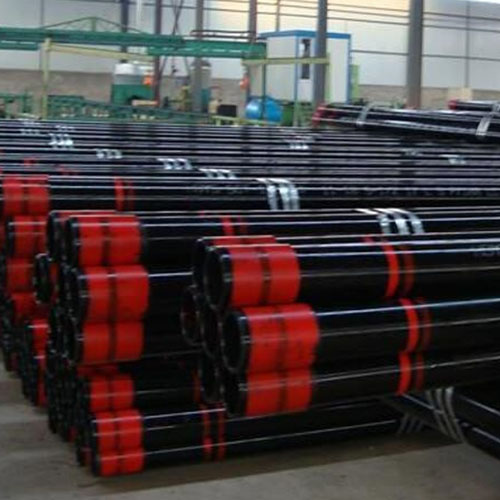
Corrosion resistance is another vital attribute, given the harsh environment within oil wells. Contact with fluids containing corrosive elements, such as hydrogen sulfide (H2S) and carbon dioxide (CO2), can lead to degradation over time if the casing material is not adequately resistant. stainless steels and corrosion-resistant alloys (CRAs) are favored for their ability to withstand these corrosive elements, thereby prolonging the lifespan of the casing and reducing Maintenance costs.
Temperature and pressure conditions within oil reservoirs vary widely, necessitating careful consideration of material behavior under different environmental conditions. Thermal stability and resistance to embrittlement at low temperatures are critical factors in ensuring the casing maintains its integrity over the lifetime of the well. Certain alloys are specifically designed to retain their mechanical properties even at extreme temperatures, offering reliability in challenging operational environments.
Economic factors also heavily influence the choice of casing materials. While high-performance alloys offer superior mechanical and corrosion-resistant properties, their higher cost may not always justify their use, particularly in less corrosive environments or shallower wells. Carbon steels remain a popular choice for their balance of cost-effectiveness and adequate performance in many applications, although operators must carefully weigh upfront costs against long-term maintenance and replacement expenses.
The manufacturing process and quality control measures are equally crucial in ensuring the reliability of oil casing materials. Stringent testing procedures, such as ultrasonic inspection and magnetic particle testing, help detect potential defects that could compromise the casing’s structural integrity. Compliance with industry standards, such as API (American petroleum Institute) specifications, guarantees that the materials meet minimum performance requirements for use in Oil and gas operations.
In conclusion, the selection of oil casing materials involves a complex evaluation of mechanical properties, corrosion resistance, environmental suitability, and economic considerations. Steel alloys and corrosion-resistant alloys dominate the market due to their robust performance in demanding conditions. The decision-making process requires collaboration between engineers, metallurgists, and procurement specialists to optimize performance while managing costs effectively. By choosing the appropriate material for oil casing, operators can enhance well productivity, minimize downtime, and ensure the safety and sustainability of oil production operations for years to come.