زيادة الكفاءة في استخراج النفط من خلال تعديلات الغلاف المتقدمة
استراتيجيات خفض التكلفة في عمليات تعديل غلاف الزيت
https://youtube.com/watch?v=y2Ua7ieGD5Aالجدول 10 أنابيب الفولاذ المقاوم للصدأ علاوة على ذلك، فإن دمج الأتمتة والروبوتات في عمليات تعديل غلاف الزيت يحمل وعدًا لمزيد من خفض التكاليف ومكاسب الكفاءة التشغيلية. تعمل أنظمة معالجة الغلاف الآلية وأدوات تشغيل الغلاف الآلية على تحسين السلامة وتقليل الأخطاء البشرية وتسريع النشر، مما يؤدي إلى إكمال المشروع بشكل أسرع وخفض التكاليف الإجمالية. لا تعمل هذه التطورات في الأتمتة على تعزيز سلامة العمال فحسب، بل تعمل أيضًا على تحسين استخدام الموارد، مما يؤدي إلى خفض النفقات التشغيلية على المدى الطويل.
في الختام، يمثل تعديل غلاف النفط عنصرًا حاسمًا في استراتيجيات خفض التكلفة في عمليات استخراج النفط. ومن خلال الاستفادة من الابتكارات التكنولوجية والتخطيط الاستراتيجي والإشراف البيئي، يمكن للمشغلين تحقيق وفورات كبيرة في تكاليف المواد والعمالة والتشغيل. بدءًا من مواد التغليف المتقدمة وحتى أنظمة الإكمال الذكية وتقنيات الصيانة التنبؤية، يساهم كل تقدم في صناعة استخراج النفط الأكثر كفاءة واستدامة. ومن خلال تبني هذه المزايا المتباينة في تعديل غلاف النفط، يمكن للمشغلين التغلب على التحديات بشكل أكثر فعالية مع زيادة الربحية والاستدامة في قطاع الطاقة.
Cost Reduction Strategies in Oil casing Adjustment processes
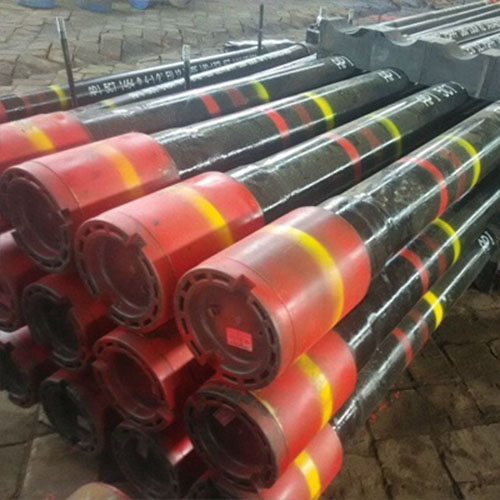
Oil casing adjustment plays a critical role in the efficiency and sustainability of oil extraction processes. As energy demands rise and environmental considerations grow more pressing, the need for effective cost reduction strategies in oil casing adjustment becomes increasingly important. This article delves into the dissimilar advantages offered by various methods of oil casing adjustment, highlighting their impact on cost reduction and operational efficiency.
One of the primary considerations in oil casing adjustment is the choice between traditional Cementing methods and newer technologies such as expandable tubulars. Traditional cementing involves setting the casing in place with cement, which provides structural integrity but can be time-consuming and costly due to material and labor expenses. In contrast, expandable tubulars offer a more streamlined approach by allowing casing to be expanded into position after deployment. This method reduces the need for extensive cementing and simplifies installation, thereby cutting down on both time and material costs.
Furthermore, the use of intelligent completion systems represents another innovative approach to cost reduction in oil casing adjustment. These systems utilize sensors and data analytics to monitor reservoir conditions in real time, optimizing production and minimizing unnecessary adjustments. By accurately assessing downhole pressures and temperatures, operators can adjust casing parameters dynamically, ensuring optimal performance while avoiding over-engineering and excessive costs.
In addition to technological advancements, strategic planning and logistics management play crucial roles in cost-effective oil casing adjustment. For instance, adopting modular casing designs allows for easier transportation and assembly, reducing logistical expenses and minimizing downtime during installation. By pre-assembling casing segments and employing efficient rigging techniques, operators can streamline the adjustment process and achieve significant cost savings.
Moreover, the implementation of predictive Maintenance strategies is essential for extending the lifespan of casing equipment and reducing operational costs over time. By leveraging data analytics and predictive modeling, operators can anticipate potential failures and schedule maintenance proactively, minimizing downtime and avoiding costly emergency Repairs. This proactive approach not only enhances operational reliability but also optimizes resource allocation, contributing to long-term cost reduction goals.
Environmental considerations also influence cost reduction strategies in oil casing adjustment. Minimizing environmental impact through efficient casing designs and deployment methods not only aligns with regulatory requirements but also reduces remediation costs associated with environmental liabilities. Techniques such as casing centralization and zonal isolation not only enhance well integrity but also mitigate risks of casing failures and fluid migration, thereby lowering operational risks and associated costs.
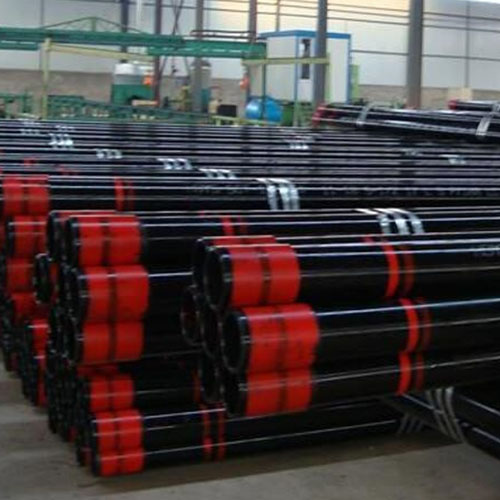
schedule 10 stainless steel PipeFurthermore, the integration of automation and robotics in oil casing adjustment processes holds promise for further cost reduction and operational efficiency gains. Automated casing handling systems and robotic casing running tools improve safety, reduce human error, and expedite deployment, leading to faster project completion and lower overall costs. These advancements in automation not only enhance worker safety but also optimize resource utilization, driving down operational expenditures in the long term.
In conclusion, oil casing adjustment represents a critical component of cost reduction strategies in oil extraction processes. By leveraging technological innovations, strategic planning, and environmental stewardship, operators can achieve substantial savings in material, labor, and operational costs. From advanced casing materials to intelligent completion systems and predictive maintenance techniques, each advancement contributes to a more efficient and sustainable oil extraction industry. By embracing these dissimilar advantages in oil casing adjustment, operators can navigate challenges more effectively while driving profitability and sustainability in the energy sector.