تأثير تقلبات العرض والطلب العالمية على أسعار سوق أغلفة النفط
تأثير الأحداث الجيوسياسية والعوامل الاقتصادية على تقلب أسعار سوق غلاف النفط

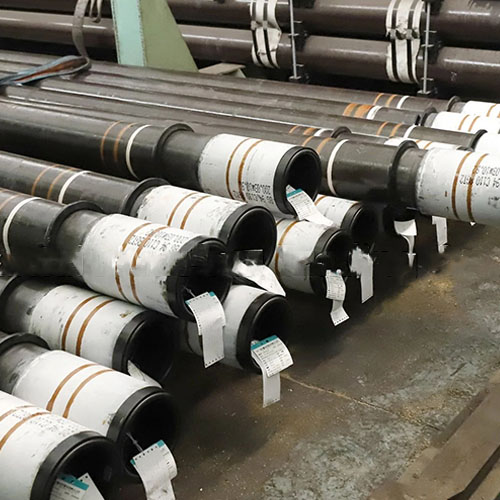
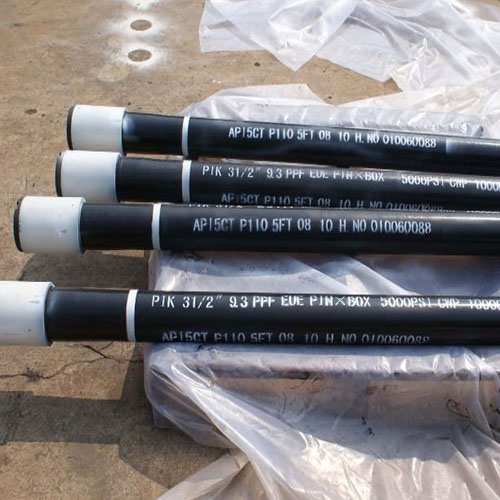
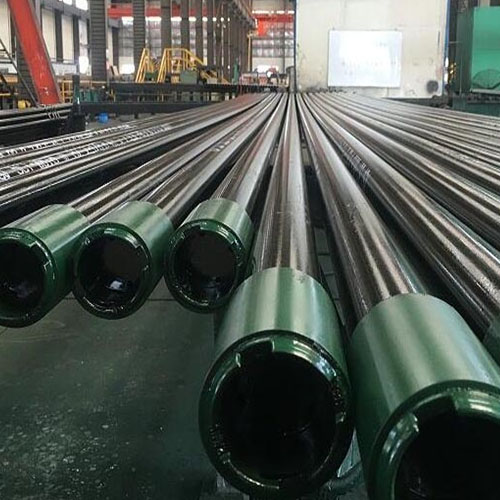
يعد سوق أغلفة النفط عنصرًا حاسمًا في صناعة النفط والغاز، حيث يوفر البنية التحتية اللازمة للحفر واستخراج النفط من الأرض. ومع ذلك، يمكن أن تكون أسعار غلاف النفط متقلبة للغاية، وتتأثر بمجموعة متنوعة من العوامل التي تتراوح من الأحداث الجيوسياسية إلى الظروف الاقتصادية. يعد فهم الأسباب الكامنة وراء هذا التقلب أمرًا ضروريًا لأصحاب المصلحة في الصناعة لاتخاذ قرارات مستنيرة وتخفيف المخاطر.
أحد العوامل الأساسية التي تساهم في عدم استقرار أسعار سوق غلاف النفط هي الأحداث الجيوسياسية. يمكن أن يكون للتوترات السياسية في المناطق المنتجة للنفط تأثير كبير على ديناميكيات العرض والطلب في السوق. على سبيل المثال، يمكن للصراعات في الشرق الأوسط أو العقوبات المفروضة على الدول المنتجة للنفط أن تعطل تدفق النفط وتؤدي إلى تقلبات في الأسعار. يمكن أن تؤدي حالة عدم اليقين المحيطة بهذه الأحداث إلى خلق شعور بعدم الاستقرار في السوق، مما يؤدي إلى ارتفاع الأسعار أو انخفاضها بسرعة.
بالإضافة إلى الأحداث الجيوسياسية، تلعب العوامل الاقتصادية أيضًا دورًا حاسمًا في تحديد أسعار غلاف النفط. يرتبط الاقتصاد العالمي ارتباطًا وثيقًا بصناعة النفط والغاز، حيث تؤثر التقلبات في المؤشرات الاقتصادية مثل نمو الناتج المحلي الإجمالي والتضخم وأسعار الفائدة على الطلب على النفط، وبالتالي أسعار غلاف النفط. على سبيل المثال، يمكن أن يؤدي تباطؤ النمو الاقتصادي إلى انخفاض استهلاك النفط، مما يفرض ضغوطًا هبوطية على الأسعار. ومن ناحية أخرى، يمكن للاقتصاد القوي أن يعزز الطلب على النفط ويدفع الأسعار إلى الارتفاع.
علاوة على ذلك، فإن العلاقة بين أسعار النفط وقيمة الدولار الأمريكي تشكل عاملاً مهماً آخر يجب أخذه في الاعتبار. يتم تسعير النفط بالدولار الأمريكي في السوق العالمية، مما يعني أن التقلبات في قيمة الدولار يمكن أن تؤثر على تكلفة غلاف النفط. ومن الممكن أن يؤدي ارتفاع الدولار إلى جعل النفط أكثر تكلفة بالنسبة للمشترين بالعملات الأخرى، مما يؤدي إلى انخفاض الطلب وانخفاض الأسعار. وعلى العكس من ذلك، فإن ضعف الدولار يمكن أن يجعل النفط في متناول المشترين الدوليين، مما يؤدي إلى ارتفاع الأسعار.
علاوة على ذلك، يمكن للتقدم التكنولوجي في صناعة النفط والغاز أن يؤثر أيضًا على أسعار أغلفة النفط. يمكن للابتكارات في تقنيات ومعدات الحفر أن تزيد من كفاءة استخراج النفط، مما يؤدي إلى ارتفاع مستويات الإنتاج وانخفاض الأسعار. ومن ناحية أخرى، فإن الاضطرابات في سلسلة التوريد أو النقص في المواد الأساسية يمكن أن تؤدي إلى ارتفاع التكاليف ودفع الأسعار إلى الارتفاع. يمكن أن تؤدي وتيرة التغير التكنولوجي في الصناعة إلى خلق حالة من عدم اليقين والتقلبات في السوق، مما يجعل من الصعب على أصحاب المصلحة التنبؤ بتحركات الأسعار المستقبلية.
في الختام، تخضع أسعار غلاف النفط لمجموعة واسعة من العوامل التي يمكن أن تخلق عدم الاستقرار في السوق. تلعب الأحداث الجيوسياسية والظروف الاقتصادية وتقلبات العملة والتقدم التكنولوجي دورًا في تحديد تكلفة غلاف النفط. يعد فهم هذه العوامل وتأثيرها على السوق أمرًا ضروريًا لأصحاب المصلحة للتغلب على التقلبات واتخاذ قرارات مستنيرة. من خلال البقاء على اطلاع ومراقبة اتجاهات السوق، يمكن للاعبين في الصناعة إدارة المخاطر بشكل أفضل والاستفادة من الفرص المتاحة في سوق أغلفة النفط الديناميكية.
The Oil casing market is a crucial component of the Oil and gas industry, providing the necessary infrastructure for drilling and extracting oil from the ground. However, the Prices of oil casing can be highly volatile, influenced by a variety of factors ranging from geopolitical events to economic conditions. Understanding the reasons behind this volatility is essential for stakeholders in the industry to make informed decisions and mitigate risks.
One of the primary factors that contribute to the instability of oil casing market prices is geopolitical events. Political tensions in oil-producing regions can have a significant impact on the supply and demand dynamics of the market. For example, conflicts in the Middle East or sanctions imposed on oil-producing countries can disrupt the flow of oil and lead to fluctuations in prices. The uncertainty surrounding these events can create a sense of instability in the market, causing prices to rise or fall rapidly.
In addition to geopolitical events, economic factors also play a crucial role in determining the prices of oil casing. The global economy is closely tied to the oil and gas industry, with fluctuations in economic indicators such as GDP growth, inflation, and interest rates affecting the demand for oil and, consequently, the prices of oil casing. For instance, a slowdown in economic growth can lead to a decrease in oil consumption, putting downward pressure on prices. On the other hand, a strong economy can boost demand for oil and drive prices higher.
https://youtube.com/watch?v=Z0hn2ksAgYMMoreover, the relationship between oil prices and the value of the US dollar is another important factor to consider. Oil is priced in US dollars on the global market, which means that fluctuations in the value of the dollar can impact the cost of oil casing. A stronger dollar can make oil more expensive for buyers in other currencies, leading to a decrease in demand and lower prices. Conversely, a weaker dollar can make oil more affordable for international buyers, driving up prices.
Furthermore, technological advancements in the oil and gas industry can also influence the prices of oil casing. Innovations in drilling techniques and equipment can increase the efficiency of oil extraction, leading to higher production levels and lower prices. On the other hand, disruptions in the supply chain or shortages of key materials can drive up costs and push prices higher. The pace of technological change in the industry can create uncertainty and volatility in the market, making it challenging for stakeholders to predict future price movements.
In conclusion, the prices of oil casing are subject to a wide range of factors that can create instability in the market. Geopolitical events, economic conditions, currency fluctuations, and technological advancements all play a role in determining the cost of oil casing. Understanding these factors and their impact on the market is essential for stakeholders to navigate the volatility and make informed decisions. By staying informed and monitoring market trends, industry players can better manage risks and capitalize on opportunities in the dynamic oil casing market.