التكلفة
المتانة
التأثير البيئي
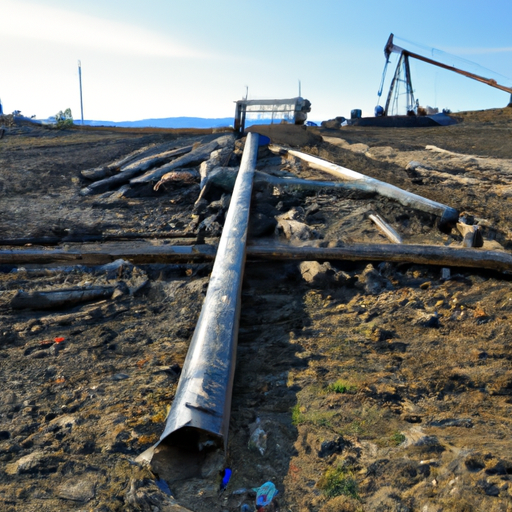
عندما يتعلق الأمر باختيار مادة الحماية المناسبة للأنابيب، هناك العديد من العوامل التي يجب أخذها بعين الاعتبار. أحد أهم العوامل التي يجب مراعاتها هو التأثير البيئي للمادة. يمكن أن يكون لاختيار المواد الواقية تأثير كبير على البيئة، لذلك من الضروري إجراء تقييم دقيق للآثار البيئية لكل خيار قبل اتخاذ القرار.
أحد الاعتبارات الرئيسية عند تقييم التأثير البيئي للمواد الواقية للأنابيب هو إمكانية تسرب المواد الكيميائية الضارة إلى التربة أو المياه المحيطة. قد تحتوي بعض المواد الواقية، مثل أنواع معينة من البلاستيك أو الطلاء، على مواد كيميائية يمكن أن تتسرب إلى البيئة بمرور الوقت، مما يشكل خطراً على صحة الإنسان والنظام البيئي. من المهم اختيار مواد غير سامة ولا تشكل خطراً على البيئة بهذه الطريقة.
أحد الاعتبارات المهمة الأخرى هو الطاقة والموارد اللازمة لإنتاج وتركيب المواد الواقية. قد تتطلب بعض المواد قدرًا كبيرًا من الطاقة لتصنيعها، مما يؤدي إلى زيادة انبعاثات الكربون وتأثيرات بيئية أخرى. بالإضافة إلى ذلك، فإن المواد التي يصعب تركيبها أو التي تتطلب معدات متخصصة قد يكون لها أيضًا تأثير بيئي أكبر بسبب الموارد اللازمة للتركيب. من المهم اختيار المواد الموفرة للطاقة وسهلة التركيب لتقليل تأثيرها على البيئة.
كما تعد متانة المادة الواقية وطول عمرها من العوامل المهمة التي يجب مراعاتها عند تقييم تأثيرها البيئي. المواد التي تتطلب استبدالًا أو صيانة بشكل متكرر يمكن أن يكون لها تأثير بيئي أكبر بسبب الموارد والطاقة اللازمة لاستبدالها. يمكن أن يساعد اختيار المواد المتينة وطويلة الأمد في تقليل التأثير البيئي الإجمالي لنظام الحماية.
بالإضافة إلى مراعاة التأثير البيئي للمادة نفسها، من المهم أيضًا تقييم التأثير المحتمل لنظام الحماية على النظام البيئي المحيط. على سبيل المثال، يمكن للمواد غير القابلة للتحلل الحيوي أو التي تطلق مواد كيميائية ضارة في البيئة أن يكون لها تأثير سلبي على الحياة البرية المحلية والحياة النباتية. من المهم اختيار مواد صديقة للبيئة ومتوافقة مع النظام البيئي المحيط من أجل تقليل أي آثار سلبية.
بشكل عام، عند تحديد المواد الواقية للأنابيب التي سيتم استخدامها، من المهم النظر بعناية في التأثير البيئي لكل خيار. يمكن أن يساعد اختيار المواد غير السامة والموفرة للطاقة والمتينة والمتوافقة مع النظام البيئي المحيط في تقليل التأثير البيئي لنظام الحماية. ومن خلال أخذ هذه العوامل بعين الاعتبار، من الممكن اختيار مادة واقية لا تلبي المتطلبات الفنية للمشروع فحسب، بل تقلل أيضًا من تأثيرها على البيئة.
When it comes to selecting the right protective material for Pipes, durability is a key factor that should be carefully considered. The durability of a pipe protective material can have a significant impact on the overall lifespan and performance of the pipes. There are several factors that should be taken into account when determining the durability of a protective material, including the environment in which the pipes will be installed, the type of material being transported through the pipes, and the expected lifespan of the pipes.
One of the most important considerations when evaluating the durability of a pipe protective material is the environment in which the pipes will be installed. Pipes that are exposed to harsh weather conditions, such as extreme temperatures, high levels of moisture, or corrosive chemicals, will require a protective material that is able to withstand these conditions. For example, pipes that are installed in a coastal area may require a protective material that is resistant to saltwater corrosion, while pipes that are installed in a cold climate may require a material that can withstand freezing temperatures.
https://youtube.com/watch?v=J1ao9j7SS_Y
The type of material being transported through the pipes is another important factor to consider when evaluating the durability of a protective material. Some materials, such as corrosive chemicals or abrasive solids, can cause significant damage to pipes over time if they are not properly protected. In these cases, it is important to select a protective material that is specifically designed to resist the corrosive or abrasive properties of the material being transported.
The expected lifespan of the pipes is also a crucial factor to consider when determining the durability of a protective material. Pipes that are expected to have a long lifespan will require a protective material that is able to maintain its integrity over an extended period of time. On the other hand, pipes that are only expected to be in use for a short period of time may not require as durable of a protective material.
In addition to these factors, it is also important to consider the cost of the protective material when evaluating its durability. While it may be tempting to opt for a cheaper protective material, it is important to remember that a higher quality, more durable material may actually save money in the long run by reducing the need for frequent Repairs or replacements.
In conclusion, durability is a critical factor to consider when determining which pipe protective material to use. By carefully evaluating the environment in which the pipes will be installed, the type of material being transported through the pipes, the expected lifespan of the pipes, and the cost of the protective material, it is possible to select a material that will provide the necessary protection and ensure the long-term performance of the pipes. Ultimately, choosing a durable protective material can help to extend the lifespan of the pipes, reduce Maintenance costs, and ensure the safe and efficient operation of the piping system.
Environmental impact
When it comes to selecting the right protective material for pipes, there are several factors that need to be taken into consideration. One of the most important factors to consider is the environmental impact of the material. The choice of protective material can have a significant impact on the environment, so it is crucial to carefully evaluate the environmental implications of each option before making a decision.
One of the key considerations when evaluating the environmental impact of pipe protective materials is the material’s potential for leaching harmful chemicals into the surrounding s Oil or water. Some protective materials, such as certain types of plastics or coatings, may contain chemicals that can leach into the environment over time, posing a risk to both human health and the ecosystem. It is important to choose materials that are non-toxic and do not pose a threat to the environment in this way.
Another important consideration is the energy and resources required to produce and install the protective material. Some materials may require a significant amount of energy to manufacture, leading to increased carbon emissions and other environmental impacts. Additionally, materials that are difficult to install or require specialized equipment may also have a higher environmental impact due to the resources needed for installation. It is important to choose materials that are energy-efficient and easy to install in order to minimize their environmental impact.
The durability and longevity of the protective material are also important factors to consider when evaluating its environmental impact. Materials that require frequent replacement or maintenance can have a higher environmental impact due to the resources and energy needed to replace them. Choosing materials that are durable and long-lasting can help reduce the overall environmental impact of the protective system.
In addition to considering the environmental impact of the material itself, it is also important to evaluate the potential impact of the protective system on the surrounding ecosystem. For example, materials that are not biodegradable or that release harmful chemicals into the environment can have a negative impact on local wildlife and plant life. It is important to choose materials that are environmentally friendly and compatible with the surrounding ecosystem in order to minimize any negative impacts.
Overall, when determining which pipe protective material to use, it is important to carefully consider the environmental impact of each option. Choosing materials that are non-toxic, energy-efficient, durable, and compatible with the surrounding ecosystem can help minimize the environmental impact of the protective system. By taking these factors into consideration, it is possible to select a protective material that not only meets the technical requirements of the project but also minimizes its impact on the environment.