فهم أهمية درجات الصلب API للأنابيب
تلعب درجات الفولاذ API دورًا حاسمًا في إنتاج الأنابيب والأغلفة المستخدمة في صناعة النفط والغاز. تم توحيد هذه الدرجات من قبل معهد البترول الأمريكي (API) لضمان جودة ومتانة وأداء المواد المستخدمة في عمليات التنقيب عن النفط والغاز واستخراجهما. يعد فهم أهمية درجات الصلب API للأنابيب أمرًا ضروريًا لضمان سلامة وكفاءة عمليات الحفر.
استكشاف أهمية درجات الصلب API للغلاف
https://youtube.com/watch?v=vU-F4ZPyTgE
تلعب درجات الفولاذ API دورًا حاسمًا في صناعة النفط والغاز، خاصة عندما يتعلق الأمر بالأنابيب والغلاف. تم توحيد هذه الدرجات من قبل معهد البترول الأمريكي (API) لضمان جودة وأداء الفولاذ المستخدم في إنتاج آبار النفط والغاز. يعد فهم أهمية درجات الصلب API للغلاف أمرًا ضروريًا للمحترفين في الصناعة.
يتم تصنيف درجات الصلب API بناءً على خصائصها الميكانيكية، وتركيبها الكيميائي، والعوامل الأخرى التي تحدد مدى ملاءمتها لتطبيقات محددة. أكثر درجات الصلب API شيوعًا المستخدمة في الأنابيب والغلاف هي api 5ct وAPI 5L. يغطي API 5CT الغلاف والأنابيب غير الملحومة بينما يغطي API 5L أنابيب الخطوط الملحومة وغير الملحومة.
تم تصميم درجات API 5CT للاستخدام في آبار النفط والغاز لتطبيقات التغليف والأنابيب. يتم تصنيف هذه الدرجات إلى مجموعات مختلفة مثل H40، J55، K55، N80، L80، C90، T95، P110، Q125، وغيرها. كل درجة لها متطلبات محددة للخصائص الميكانيكية، والتركيب الكيميائي، وغيرها من الخصائص لضمان أداء موثوق به في بيئات قاع البئر.
يعتمد اختيار درجة فولاذ API للغلاف على عدة عوامل، بما في ذلك عمق البئر وظروف الضغط ودرجة الحرارة. وتآكل السوائل التي يتم إنتاجها. على سبيل المثال، تُستخدم درجات القوة الأعلى مثل P110 وQ125 عادةً في الآبار العميقة ذات ظروف الضغط ودرجة الحرارة الأعلى، في حين أن درجات القوة المنخفضة مثل H40 وJ55 مناسبة للآبار الضحلة ذات ظروف تشغيل أقل تطلبًا.
درجات API 5L، على ومن ناحية أخرى، تستخدم لنقل النفط والغاز من موقع الإنتاج إلى المصافي والمرافق الأخرى. يتم تصنيف هذه الدرجات إلى مستويات قوة مختلفة مثل X42، وX52، وX60، وX65، وX70، وX80، وX100، بناءً على الحد الأدنى من قوة الخضوع الخاصة بها. يعتمد اختيار درجة API 5L على عوامل مثل ضغط التشغيل ودرجة الحرارة والظروف البيئية لخط الأنابيب.
أنظمة أنابيب النفط بالإضافة إلى الخواص الميكانيكية، فإن درجات فولاذ API للغلاف لها أيضًا متطلبات محددة للتركيب الكيميائي، بما في ذلك الكربون والمنغنيز. والكبريت والفوسفور وعناصر أخرى. تعد هذه المتطلبات ضرورية لضمان قابلية لحام الفولاذ ومتانته ومقاومته للتآكل في بيئات قاع البئر القاسية.
من المهم للمهندسين والمشغلين وغيرهم من المهنيين في صناعة النفط والغاز أن يكون لديهم فهم شامل لدرجات فولاذ API غلاف لضمان سلامة وموثوقية عمليات بناء وإنتاج الآبار. ومن خلال اختيار الدرجة المناسبة بناءً على ظروف البئر المحددة ومعايير التشغيل، يمكنهم تحسين الأداء وطول عمر آبار النفط والغاز.
Exploring the Significance of API steel grades for casing
API steel grades play a crucial role in the Oil and gas industry, particularly when it comes to Tubing and casing. These grades are standardized by the American petroleum Institute (API) to ensure the quality and performance of steel used in the production of oil and gas wells. Understanding the significance of API steel grades for casing is essential for professionals in the industry.
API steel grades are classified based on their mechanical properties, chemical composition, and other factors that determine their suitability for specific applications. The most common API steel grades used for tubing and casing are API 5CT and API 5L. API 5CT covers seamless casing and tubing while API 5L covers welded and seamless line Pipe.
API 5CT grades are designed for use in oil and gas wells for casing and tubing applications. These grades are categorized into various groups such as H40, J55, K55, N80, L80, C90, T95, P110, Q125, among others. Each grade has specific requirements for mechanical properties, chemical composition, and other characteristics to ensure reliable performance in downhole environments.
The choice of API steel grade for casing depends on several factors, including the depth of the well, the pressure and temperature conditions, and the corrosiveness of the fluids being produced. For example, higher strength grades like P110 and Q125 are typically used in deeper wells with higher pressure and temperature conditions, while lower strength grades like H40 and J55 are suitable for shallower wells with less demanding operating conditions.
API 5L grades, on the other hand, are used for transporting oil and gas from the production site to refineries and other facilities. These grades are classified into different strength levels such as X42, X52, X60, X65, X70, X80, and X100, based on their minimum yield strength. The selection of API 5L grade depends on factors like the operating pressure, temperature, and environmental conditions of the pipeline.
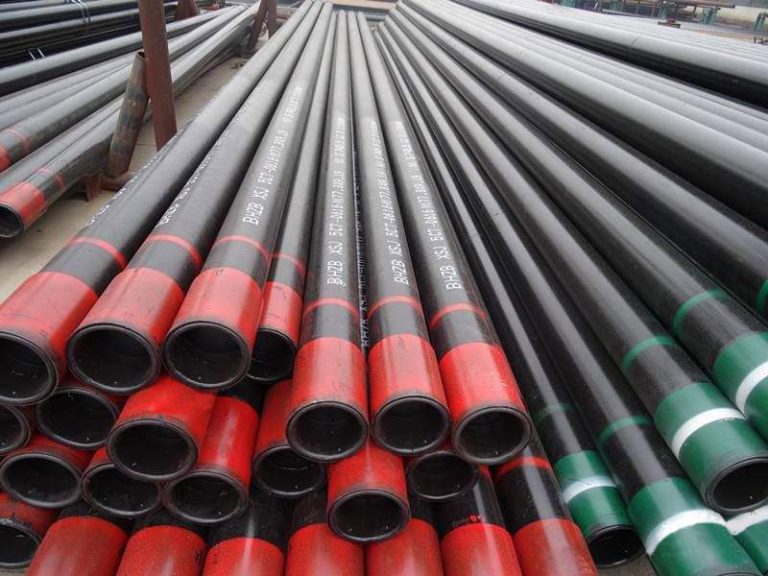
oil pipe systemsIn addition to mechanical properties, API steel grades for casing also have specific requirements for chemical composition, including carbon, manganese, sulfur, phosphorus, and other elements. These requirements are essential to ensure the steel’s weldability, toughness, and resistance to corrosion in harsh downhole environments.
It is important for engineers, operators, and other professionals in the oil and gas industry to have a thorough understanding of API steel grades for casing to ensure the integrity and reliability of well construction and production operations. By selecting the appropriate grade based on the specific well conditions and operating parameters, they can optimize the performance and longevity of oil and gas wells.