أهمية تصميم الغلاف المناسب في حقول النفط:
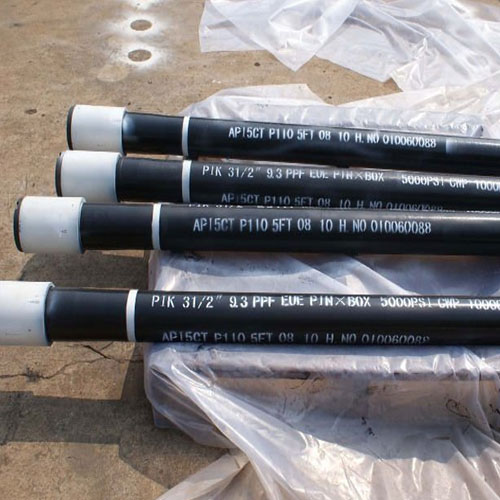
يلعب غلاف حقل النفط دوراً حاسماً في استخراج النفط والغاز من أعماق تحت سطح الأرض. يعد التصميم المناسب للغلاف أمرًا ضروريًا لنجاح وسلامة عمليات حقول النفط. في هذه المقالة، سوف نتعمق في أهمية تصميم الغلاف المناسب في حقول النفط واستكشاف العوامل المختلفة التي تؤثر على تصميم الغلاف.
API 5ct N80-1 غلاف أفضل تاجر جملة صيني
يعد التثبيت المناسب للغلاف أمرًا ضروريًا لضمان سلامة البئر. يتم ضخ الأسمنت في المساحة الحلقية بين الغلاف وجدار حفرة البئر لتوفير العزل النطاقي ودعم الغلاف. يعد العمل الجيد للأسمنت أمرًا بالغ الأهمية لمنع هجرة السوائل والحفاظ على سلامة البئر.
بالإضافة إلى الاعتبارات الميكانيكية، يلعب تصميم الغلاف أيضًا دورًا في إنتاجية وكفاءة البئر. يمكن أن يؤثر تصميم سلسلة الغلاف على تدفق السوائل من الخزان إلى السطح. يمكن أن يساعد التصميم المناسب للغلاف في تحسين معدلات الإنتاج وتحقيق أقصى قدر من استرداد احتياطيات النفط والغاز.
– شرح دور التغليف في آبار النفط
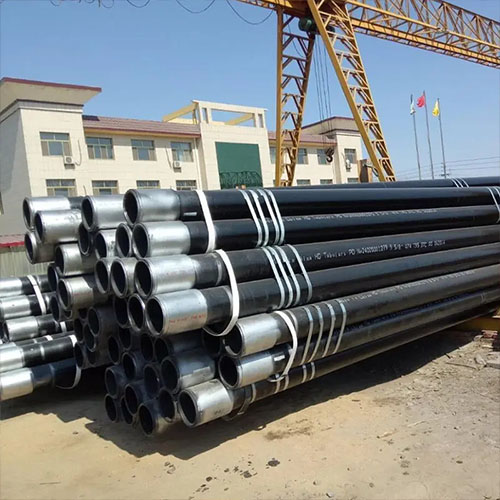
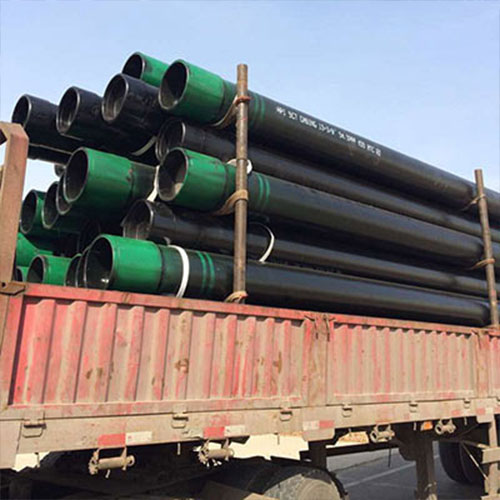
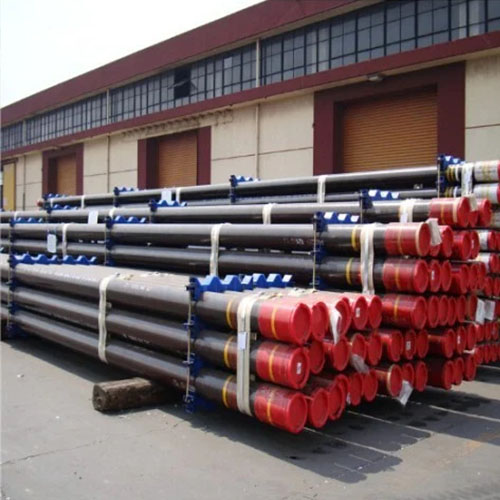
 يلعب غلاف حقل النفط دورًا حاسمًا في بناء وسلامة آبار النفط. يشير الغلاف إلى أقسام الأنابيب الفولاذية التي يتم إدخالها في بئر النفط بعد الحفر لتوفير الدعم الهيكلي ومنع انهيار حفرة البئر. يخدم هذا المكون الأساسي وظائف متعددة تعتبر حيوية لاستخراج النفط والغاز بشكل ناجح وآمن.
أحد الأغراض الأساسية للتغليف هو حماية حفرة البئر من الضغوط الخارجية ومنع سوائل التكوين من التسرب إلى التكوينات الصخرية المحيطة. ومن خلال عزل حفرة البئر عن الخزان، يساعد الغلاف في الحفاظ على سلامة البئر ويمنع التسربات أو الانفجارات المحتملة. بالإضافة إلى ذلك، يوفر الغلاف أيضًا مسارًا لاستخراج النفط والغاز من المكمن إلى السطح.
يتم تركيب الغلاف عادةً في طبقات متعددة، حيث تخدم كل طبقة غرضًا محددًا. الطبقة الخارجية، والمعروفة باسم الغلاف السطحي، هي أول طبقة يتم إدخالها في البئر وتمتد من السطح إلى عمق معين تحت منسوب المياه الجوفية. يساعد الغلاف السطحي على منع تلوث طبقات المياه الجوفية العذبة ويوفر الاستقرار للبئر أثناء عمليات الحفر.
يتم تركيب الغلاف المتوسط أسفل الغلاف السطحي وهو مصمم لعزل مناطق مختلفة داخل حفرة البئر. تساعد طبقة الغلاف هذه على التحكم في الضغط وتدفق السوائل بين التكوينات المختلفة، مما يضمن استخراج النفط والغاز بكفاءة مع الحفاظ على استقرار البئر.
يُعرف غلاف الإنتاج أيضًا باسم الغلاف النهائي، وهو الطبقة الأخيرة من الغلاف التي يتم تركيبها في حسنًا. ويمتد هذا الغلاف من أسفل البئر إلى السطح وهو المسؤول عن تسهيل إنتاج النفط والغاز من المكمن. يتم ثقب غلاف الإنتاج على فترات زمنية محددة للسماح بتدفق النفط والغاز إلى حفرة البئر.
بالإضافة إلى توفير الدعم الهيكلي والحفاظ على سلامة البئر، يلعب الغلاف أيضًا دورًا حاسمًا في إكمال الآبار وعمليات الإنتاج. يعد الغلاف ضروريًا لتركيب معدات قاع البئر مثل أجهزة التعبئة والأنابيب والمضخات، والتي تعتبر ضرورية لإنتاج النفط والغاز بكفاءة من الخزان.
علاوة على ذلك، يساعد الغلاف أيضًا في منع انهيار التكوين وعدم استقرار حفرة البئر من خلال توفير حاجز بين حفرة البئر والتكوينات الصخرية المحيطة بها. يعد هذا مهمًا بشكل خاص في البيئات ذات الضغط العالي ودرجات الحرارة العالية حيث تعد سلامة حفرة البئر أمرًا بالغ الأهمية لعمليات آمنة وفعالة. كفاءة عمليات استخراج النفط والغاز. من خلال توفير الدعم الهيكلي، وعزل التكوينات المختلفة، وتسهيل الإنتاج، يلعب الغلاف دورًا حيويًا في نجاح أنشطة التنقيب عن النفط والغاز وإنتاجه.
– Explanation of the role of casing in Oil wells
oil field casing plays a crucial role in the construction and integrity of oil wells. Casing refers to the steel Pipe sections that are inserted into an oil well after drilling to provide structural support and prevent the collapse of the wellbore. This essential component serves multiple functions that are vital for the successful and safe extraction of Oil and gas.
One of the primary purposes of casing is to protect the wellbore from external pressures and prevent the formation fluids from seeping into the surrounding rock formations. By isolating the wellbore from the reservoir, casing helps maintain well integrity and prevents potential leaks or blowouts. Additionally, casing also provides a pathway for the extraction of oil and gas from the reservoir to the surface.
Casing is typically installed in multiple layers, with each layer serving a specific purpose. The outermost layer, known as surface casing, is the first to be inserted into the well and extends from the surface to a certain depth below the groundwater table. Surface casing helps prevent contamination of freshwater aquifers and provides stability to the well during drilling operations.
The intermediate casing is installed below the surface casing and is designed to isolate different zones within the wellbore. This casing layer helps control pressure and fluid flow between different formations, ensuring the efficient extraction of oil and gas while maintaining well stability.
The production casing, also known as the final casing, is the last layer of casing to be installed in the well. This casing extends from the bottom of the well to the surface and is responsible for facilitating the production of oil and gas from the reservoir. The production casing is perforated at specific intervals to allow oil and gas to flow into the wellbore.
In addition to providing structural support and maintaining well integrity, casing also plays a crucial role in well completion and production operations. Casing is essential for the installation of downhole equipment such as Packers, Tubing, and pumps, which are necessary for the efficient production of oil and gas from the reservoir.
Furthermore, casing also helps in the prevention of formation collapse and wellbore instability by providing a barrier between the wellbore and the surrounding rock formations. This is particularly important in high-pressure and high-temperature environments where the integrity of the wellbore is critical for safe and efficient operations.
Overall, oil field casing is a fundamental component of oil well construction that ensures the safety, integrity, and efficiency of oil and gas extraction operations. By providing structural support, isolating different formations, and facilitating production, casing plays a vital role in the success of oil and gas exploration and production activities.