Innovations dans la technologie des enveloppes pétrolières à haute résistance
Surmonter les défis traditionnels de l’industrie pétrolière
Dans le domaine de l’industrie pétrolière, les défis rencontrés sont souvent profondément ancrés dans la tradition. La quête d’innovation et d’efficacité a été entravée par le poids des pratiques historiques et des méthodologies conventionnelles. Cependant, une nouvelle aube se lève à l’horizon, promettant une rupture avec les difficultés et les batailles traditionnelles qui ont longtemps défini ce secteur.
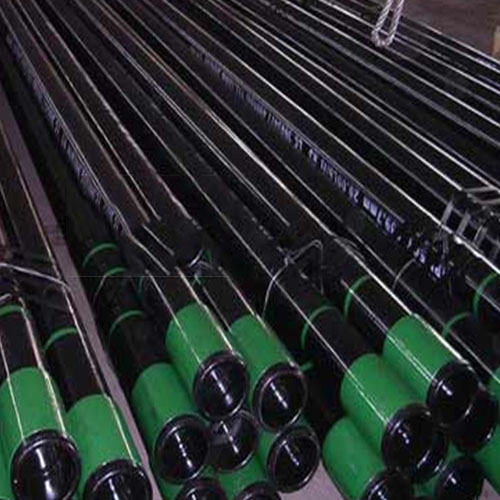
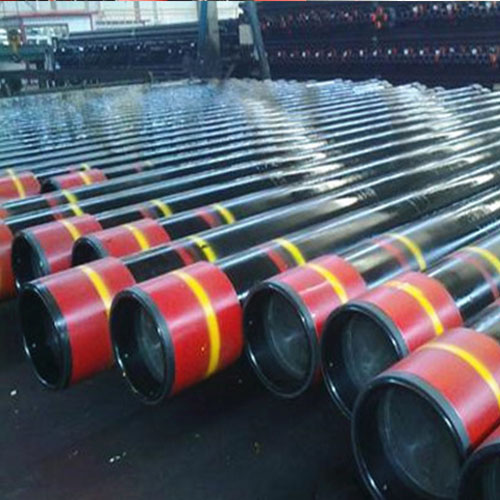
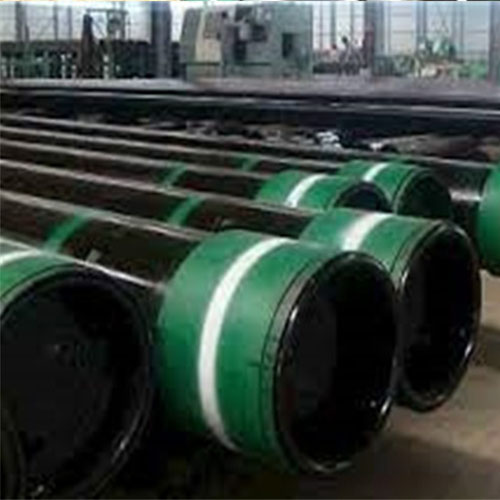
L’un des domaines clés dans lesquels cette transformation a lieu est celui de la technologie du tubage pétrolier. Le tubage joue un rôle crucial dans l’extraction et le transport du pétrole, fournissant un support structurel et une protection au puits de forage. Traditionnellement, les carters d’huile sont fabriqués à partir de matériaux offrant un équilibre entre résistance et rentabilité. Cependant, les limites de ces matériaux ont souvent posé des défis en termes de durabilité et de performances.
Entrez dans le nouveau carter d’huile à haute résistance, un développement révolutionnaire qui est destiné à redéfinir les normes de l’industrie. Cette technologie de pointe offre un niveau de résistance et de résilience qui dépasse de loin celui des matériaux traditionnels, ouvrant ainsi un monde de possibilités aux compagnies pétrolières du monde entier. Grâce à ce nouveau boîtier, les opérateurs peuvent désormais repousser les limites de l’exploration et de l’extraction, en s’aventurant en toute confiance dans des environnements plus profonds et plus difficiles.
Les avantages de ce boîtier pétrolier à haute résistance sont multiples. Non seulement cela améliore l’intégrité structurelle du puits de forage, mais cela améliore également l’efficacité globale du processus d’extraction. En résistant à des pressions et des températures plus élevées, ce boîtier garantit une plus grande sécurité et fiabilité des opérations, réduisant ainsi le risque de temps d’arrêt coûteux et d’accidents. De plus, sa durée de vie prolongée et ses besoins de Maintenance réduits se traduisent à long terme par des économies significatives pour les compagnies pétrolières.
En plus de ses avantages techniques, le nouveau carter d’huile à haute résistance représente également un virage vers la durabilité et la responsabilité environnementale. En permettant des méthodes d’extraction plus efficaces et en réduisant le besoin de remplacements fréquents, cette technologie contribue à une approche plus écologique de la production pétrolière. Alors que l’industrie continue d’être confrontée à un examen minutieux de son impact environnemental, des innovations comme celles-ci sont cruciales pour ouvrir la voie à un avenir plus vert et plus durable.
De plus, l’introduction de carters pétroliers à haute résistance n’est pas seulement une avancée technologique ; c’est un symbole de progrès et d’évolution dans une industrie longtemps ancrée dans la tradition. En adoptant l’innovation et en repoussant les limites de ce qui est possible, les compagnies pétrolières non seulement surmontent les défis du passé, mais préparent également le terrain pour un avenir plus brillant et plus prospère.
En conclusion, l’ère des difficultés et des batailles traditionnelles dans le monde L’industrie pétrolière touche à sa fin, grâce à l’avènement d’une nouvelle technologie de boîtiers pétroliers à haute résistance. Ce développement transformateur promet de révolutionner la manière dont le pétrole est extrait, transporté et utilisé, ouvrant ainsi la voie à une nouvelle ère d’efficacité, de durabilité et de progrès. Alors que nous regardons vers l’horizon des possibilités qu’offre cette technologie, une chose est claire : l’avenir de l’industrie pétrolière est plus brillant que jamais.
https://youtube.com/watch?v=yRqVb0LdTVk
L’avenir du tubage pétrolier : un changement de paradigme
Dans le domaine du forage pétrolier, l’importance des carters pétroliers à haute résistance ne peut être surestimée. Cet élément crucial sert de barrière protectrice, protégeant le puits de forage et garantissant l’intégrité de l’opération de forage. Traditionnellement, l’industrie est confrontée à des défis liés à la durabilité et à la fiabilité des carters pétroliers dans des conditions extrêmes. Cependant, une nouvelle ère s’ouvre avec l’introduction de carters pétroliers avancés à haute résistance qui promettent de révolutionner le secteur.
L’émergence de cette technologie de pointe marque un changement de paradigme dans le monde du carter pétrolier. En exploitant des matériaux et des techniques d’ingénierie innovants, les fabricants ont développé une nouvelle génération de carters d’huile dotés d’une résistance et d’une résilience inégalées. Cette avancée améliore non seulement la sécurité et l’efficacité des opérations de forage, mais ouvre également de nouvelles possibilités d’exploration dans des environnements difficiles.
L’un des principaux avantages du boîtier pétrolier à haute résistance réside dans sa capacité à résister à des pressions et des températures plus élevées que celles des boîtiers conventionnels. matériels. Cette durabilité est essentielle pour le forage en eaux profondes ou dans des réservoirs à haute pression où les matériaux de tubage traditionnels peuvent s’effondrer. En utilisant des alliages et des processus de fabrication avancés, le nouveau carter à haute résistance offre un niveau de performance auparavant inaccessible.
De plus, la résistance améliorée de ce nouveau carter d’huile se traduit par une longévité et une fiabilité accrues. Dans une industrie où les temps d’arrêt peuvent entraîner des pertes financières importantes, disposer d’un boîtier capable de résister aux rigueurs d’un fonctionnement continu est inestimable. La durabilité du tubage pétrolier à haute résistance réduit non seulement la fréquence des remplacements, mais minimise également le risque de défaillances coûteuses des puits.
Au-delà de ses propriétés mécaniques, le nouveau tubage pétrolier à haute résistance apporte également des avantages environnementaux. En améliorant l’intégrité des puits de forage et en réduisant le risque de fuites ou d’éruptions, cette technologie avancée de tubage contribue à une meilleure protection de l’environnement. À une époque où la durabilité et l’extraction responsable des ressources sont au premier plan des priorités de l’industrie, l’adoption de carters pétroliers à haute résistance s’aligne sur la philosophie des opérations respectueuses de l’environnement.
De plus, l’introduction de carters pétroliers à haute résistance est sur le point de stimuler l’innovation et l’efficacité dans le secteur pétrolier et gazier. À mesure que les opérations de forage repoussent les limites de ce qui est technologiquement réalisable, la fiabilité et les performances des composants critiques tels que le tubage pétrolier deviennent primordiales. L’adoption de matériaux et de principes de conception avancés améliore non seulement la sécurité opérationnelle, mais ouvre également la voie à de futurs progrès dans la technologie de forage.
En conclusion, l’avènement des carters pétroliers à haute résistance représente un moment transformateur dans l’histoire du forage pétrolier. En s’affranchissant des contraintes des matériaux de boîtier traditionnels, l’industrie est sur le point d’entrer dans une nouvelle ère de sécurité, de fiabilité et de durabilité. Alors que la demande d’énergie continue de croître et que les projets d’exploration s’étendent sur des territoires de plus en plus difficiles, le rôle des cuvelages pétroliers à haute résistance en tant que pierre angulaire des opérations de forage modernes ne peut être surestimé. Adopter cette évolution technologique n’est pas seulement un choix mais une nécessité pour l’avenir de l’exploration pétrolière et gazière.
In the realm of the Oil industry, the challenges faced have often been deeply entrenched in tradition. The quest for innovation and efficiency has been hindered by the Weight of historical practices and conventional methodologies. However, a new dawn is breaking on the horizon, promising a departure from the traditional hardships and battles that have long defined this sector.
One of the key areas where this transformation is taking place is in the realm of oil casing technology. The casing plays a crucial role in the extraction and transportation of oil, providing structural support and protection to the wellbore. Traditionally, oil casings have been manufactured using materials that offer a balance between strength and cost-effectiveness. However, the limitations of these materials have often posed challenges in terms of durability and performance.
Enter the new high-strength oil casing, a revolutionary development that is set to redefine the standards of the industry. This cutting-edge technology offers a level of strength and resilience that far surpasses that of traditional materials, opening up a world of possibilities for oil Companies worldwide. With this new casing, operators can now push the boundaries of exploration and extraction, venturing into deeper and more challenging environments with confidence.
The benefits of this high-strength oil casing are manifold. Not only does it enhance the structural integrity of the wellbore, but it also improves the overall efficiency of the extraction process. By withstanding higher pressures and temperatures, this casing ensures greater safety and reliability in operations, reducing the risk of costly downtime and accidents. Moreover, its extended lifespan and reduced maintenance requirements translate into significant cost savings for oil companies in the long run.
In addition to its technical advantages, the new high-strength oil casing also represents a shift towards sustainability and environmental responsibility. By enabling more efficient extraction methods and reducing the need for frequent replacements, this technology contributes to a more eco-friendly approach to oil production. As the industry continues to face scrutiny over its environmental impact, innovations like these are crucial in paving the way towards a greener and more sustainable future.
Furthermore, the introduction of high-strength oil casing is not just a technological advancement; it is a symbol of progress and evolution in an industry that has long been steeped in tradition. By embracing innovation and pushing the boundaries of what is possible, oil companies are not only overcoming the challenges of the past but also setting the stage for a brighter and more prosperous future.
In conclusion, the era of traditional hardships and battles in the oil industry is coming to an end, thanks to the advent of new high-strength oil casing technology. This transformative development promises to revolutionize the way oil is extracted, transported, and utilized, ushering in a new age of efficiency, sustainability, and progress. As we look towards the horizon of possibilities that this technology offers, one thing is clear: the future of the oil industry is brighter than ever before.
The Future of Oil Casing: A Paradigm Shift
In the realm of oil drilling, the significance of high-strength oil casing cannot be overstated. This crucial component serves as a protective barrier, safeguarding the wellbore and ensuring the integrity of the drilling operation. Traditionally, the industry has grappled with challenges related to the durability and reliability of oil casing under extreme conditions. However, a new era is dawning with the introduction of advanced high-strength oil casing that promises to revolutionize the sector.
The emergence of this cutting-edge technology marks a paradigm shift in the world of oil casing. By harnessing innovative materials and engineering techniques, Manufacturers have developed a new generation of oil casing that boasts unparalleled strength and resilience. This breakthrough not only enhances the safety and efficiency of drilling operations but also opens up new possibilities for exploration in challenging environments.
One of the key advantages of high-strength oil casing lies in its ability to withstand higher pressures and temperatures than conventional casing materials. This durability is essential for drilling in deep-sea locations or high-pressure reservoirs where traditional casing materials may falter. By utilizing advanced alloys and manufacturing processes, the new high-strength casing offers a level of performance that was previously unattainable.
Moreover, the enhanced strength of this new oil casing translates to increased longevity and reliability. In an industry where downtime can result in significant financial losses, having casing that can withstand the rigors of continuous operation is invaluable. The durability of high-strength oil casing not only reduces the frequency of replacements but also minimizes the risk of costly well failures.
Beyond its mechanical properties, the new high-strength oil casing also brings environmental benefits to the table. By improving the integrity of wellbores and reducing the likelihood of leaks or blowouts, this advanced casing technology contributes to enhanced environmental protection. In an era where sustainability and responsible resource extraction are at the forefront of industry priorities, the adoption of high-strength oil casing aligns with the ethos of eco-conscious operations.
Furthermore, the introduction of high-strength oil casing is poised to drive innovation and efficiency in the Oil and gas sector. As drilling operations push the boundaries of what is technologically feasible, the reliability and performance of critical components such as oil casing become paramount. The adoption of advanced materials and design principles not only enhances operational safety but also paves the way for future advancements in drilling technology.
In conclusion, the advent of high-strength oil casing represents a transformative moment in the history of oil drilling. By breaking free from the constraints of traditional casing materials, the industry is poised to embrace a new era of safety, reliability, and sustainability. As the demand for energy continues to grow and exploration ventures into increasingly challenging territories, the role of high-strength oil casing as a cornerstone of modern drilling operations cannot be overstated. Embracing this technological evolution is not just a choice but a necessity for the future of oil and gas exploration.