Impact of global Oil Prices on Market Predictions for New oil casing
The global oil industry is a complex and ever-changing market that is influenced by a multitude of factors. One of the key components that can have a significant impact on the industry is the price of oil. As oil prices fluctuate, so too do the market predictions for various products within the industry, including new oil casing.
https://youtube.com/watch?v=SvLyWEjKFTM
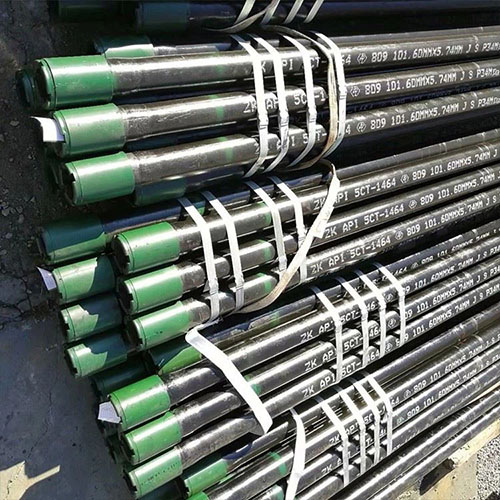
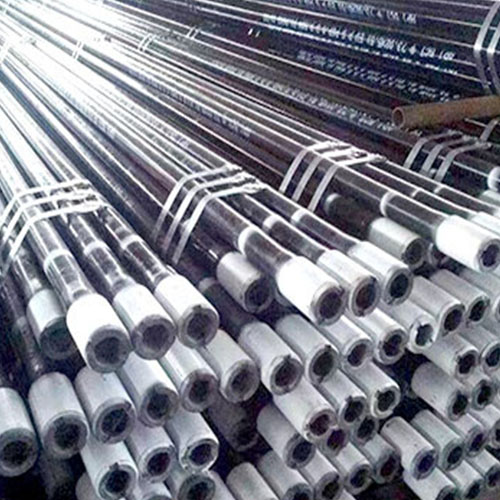
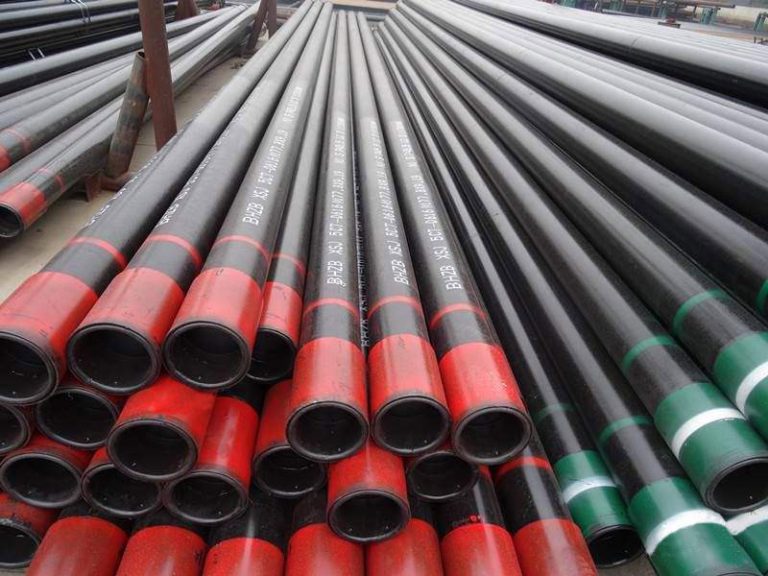
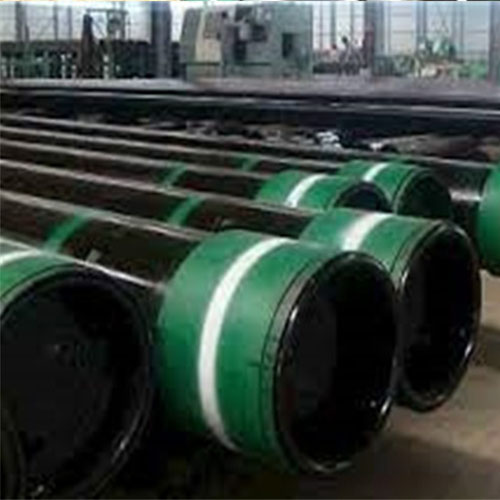
Oil casing is a critical component in the drilling and extraction of Oil and gas. It is used to line the walls of a wellbore to prevent the collapse of the hole and to ensure the smooth flow of oil or gas to the surface. As such, the demand for new oil casing is directly tied to the health of the oil industry as a whole.
industrial Pipe SuppliersWhen global oil prices are high, there is typically an increase in drilling activity as Companies seek to c APItalize on the higher prices. This increased drilling activity leads to a greater demand for new oil casing as more wells are drilled and completed. As a result, market predictions for new oil casing tend to be optimistic during periods of high oil prices.
Conversely, when oil prices are low, drilling activity tends to decrease as companies look to cut costs and conserve resources. This decrease in drilling activity leads to a lower demand for new oil casing as fewer wells are drilled and completed. Market predictions for new oil casing during periods of low oil prices are typically more conservative as a result.

In recent years, the global oil industry has experienced significant fluctuations in oil prices due to a variety of factors, including geopolitical tensions, supply and demand dynamics, and the impact of the COVID-19 pandemic. These fluctuations have had a direct impact on market predictions for new oil casing.
For example, in 2020, the oil industry experienced a historic collapse in oil prices as a result of the COVID-19 pandemic and a price war between major oil-producing countries. This collapse led to a sharp decrease in drilling activity and a corresponding decrease in demand for new oil casing. Market predictions for new oil casing during this time were bleak, with many companies scaling back production and laying off workers.
However, as the global economy began to recover and oil prices started to stabilize, market predictions for new oil casing began to improve. In 2021, oil prices rebounded as demand for oil and gas increased, leading to a resurgence in drilling activity and a corresponding increase in demand for new oil casing. Market predictions for new oil casing during this time were more optimistic, with many companies ramping up production and hiring new workers.
Looking ahead, market predictions for new oil casing will continue to be influenced by global oil prices and the overall health of the oil industry. As the world transitions to cleaner forms of energy and as the demand for oil and gas evolves, the market for new oil casing will also change. Companies that are able to adapt to these changes and anticipate market trends will be well-positioned to succeed in this dynamic and competitive industry.
Analyzing Historical Data to Forecast Future Trends in New Oil Casing Market
The oil and gas industry is constantly evolving, with new technologies and innovations driving changes in the market. One key component of this industry is oil casing, which plays a crucial role in the drilling and extraction of oil. As such, it is important for industry professionals to stay informed about market trends and predictions in order to make informed decisions about their operations.
One way to gain insight into the future of the oil casing market is to analyze historical data. By looking at past trends and patterns, analysts can identify key factors that have influenced market fluctuations in the past and use this information to make predictions about future trends.
Historical data can provide valuable information about supply and demand dynamics, pricing trends, and market drivers. For example, analysts can look at historical production levels to gauge future demand for oil casing. By examining past pricing trends, they can also identify patterns that may indicate future price movements.
In addition to production and pricing data, analysts can also look at other factors that may influence the oil casing market. For example, geopolitical events, regulatory changes, and technological advancements can all have a significant impact on market dynamics. By analyzing historical data in conjunction with these other factors, analysts can develop a more comprehensive understanding of the market and make more accurate predictions about future trends.
One key tool that analysts use to analyze historical data is statistical modeling. By using statistical techniques such as regression analysis, time series analysis, and econometric modeling, analysts can identify relationships between different variables and make predictions about future market trends. These models can help analysts identify key drivers of market fluctuations and develop forecasts based on these relationships.
Another important aspect of analyzing historical data is understanding the limitations of the data. Historical data may be incomplete or inaccurate, and analysts must take these limitations into account when making predictions. By using techniques such as sensitivity analysis and scenario planning, analysts can assess the potential impact of these limitations on their forecasts and develop more robust predictions.
In conclusion, analyzing historical data is a valuable tool for predicting future trends in the oil casing market. By examining past trends and patterns, analysts can identify key factors that have influenced market fluctuations in the past and use this information to make informed predictions about future trends. By using statistical modeling and other analytical techniques, analysts can develop more accurate forecasts and make better decisions about their operations. By understanding the limitations of the data and taking these into account, analysts can develop more robust predictions and better prepare for future market dynamics.