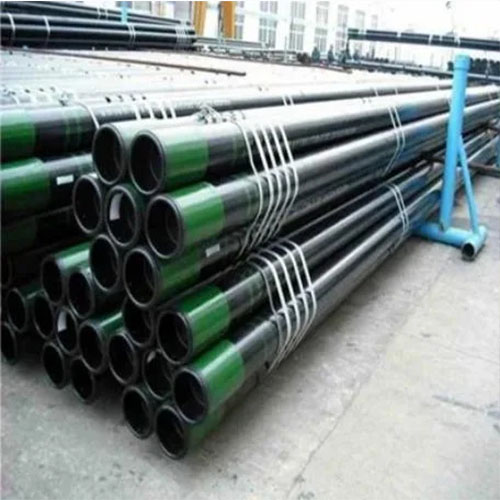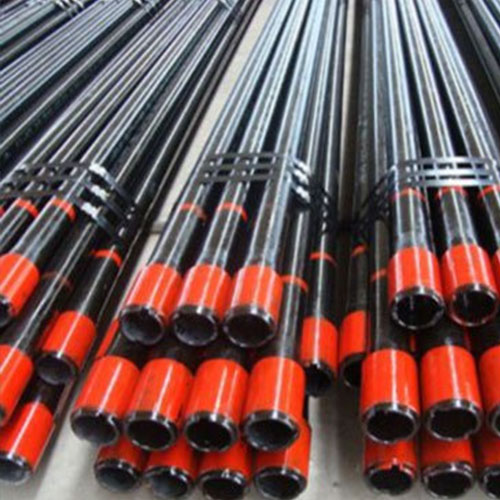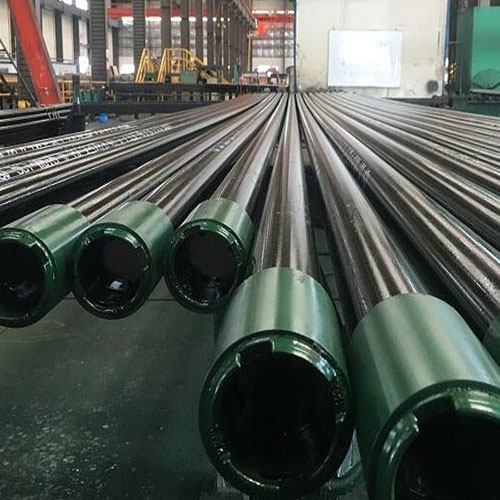
Overview Of API J55 api 5ct specifications
API J55 is a specification that falls under the broader API 5CT standard, which governs the requirements for casing and Tubing used in the Oil and gas industry. This specification is particularly significant as it outlines the technical and material requirements for the production of steel Pipes that are utilized in the drilling and completion of oil and gas wells. The API 5CT standard, established by the American petroleum Institute, serves as a critical framework for ensuring the quality and reliability of tubular products, which are essential for the safe and efficient extraction of hydrocarbons from the earth.
The J55 grade specifically refers to a type of Carbon steel that is designed to withstand the harsh conditions encountered in oil and gas operations. One of the primary characteristics of J55 steel is its yield strength, which is typically around 55,000 psi. This yield strength is crucial because it indicates the maximum stress that the material can withstand without permanent deformation. In practical terms, this means that j55 pipes can endure significant pressure and mechanical stress, making them suitable for various applications in the drilling process.

In addition to yield strength, the API J55 specification also outlines specific requirements regarding chemical composition. The steel used in J55 pipes must contain certain elements in defined proportions to ensure optimal performance. For instance, the carbon content is typically limited to a maximum of 0.26%, which helps to enhance the ductility and weldability of the material. Furthermore, the specification mandates the presence of other alloying elements, such as manganese, phosphorus, and sulfur, within specified limits to achieve the desired mechanical properties and Corrosion resistance.
https://youtube.com/watch?v=yRqVb0LdTVkAnother important aspect of the API J55 specification is the requirement for various mechanical tests to be conducted on the finished products. These tests are designed to verify that the pipes meet the necessary performance criteria. For example, tensile tests are performed to assess the strength and ductility of the material, while impact tests evaluate its toughness at low temperatures. Additionally, the specification requires that the pipes undergo Non-destructive testing methods, such as ultrasonic testing, to detect any internal or surface defects that could compromise their integrity during service.
The manufacturing process for API J55 pipes involves several stages, including the melting of raw materials, casting, hot rolling, and finishing. Each of these stages is carefully controlled to ensure that the final product adheres to the stringent requirements set forth in the API 5CT standard. Quality control measures are implemented throughout the production process, with inspections and tests conducted at various points to ensure compliance with the specifications.
API 5CT C110 CASING Exporter
In terms of applications, API J55 pipes are commonly used in both onshore and offshore drilling operations. Their ability to withstand high pressures and corrosive environments makes them an ideal choice for casing and tubing in oil and gas wells. Additionally, the versatility of J55 steel allows it to be used in a range of other applications, including structural components and pipelines.
In conclusion, API J55, as part of the API 5CT specification, plays a vital role in the oil and gas industry by providing a reliable standard for the production of steel pipes. Its emphasis on mechanical properties, chemical composition, and rigorous testing ensures that J55 pipes can perform effectively in demanding environments. As the industry continues to evolve, the importance of adhering to such specifications remains paramount in ensuring the safety and efficiency of oil and gas extraction processes.