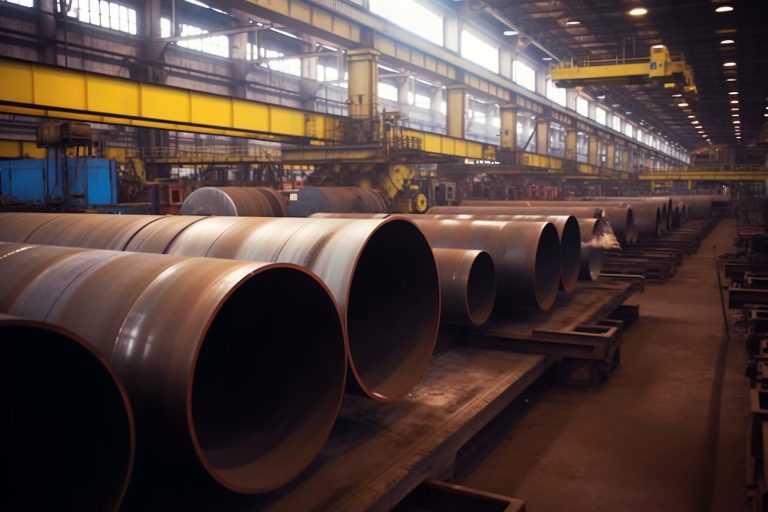
تحسين اختيار مواد الغلاف لتحسين الأداء
بالإضافة إلى الخواص الميكانيكية، تلعب عملية التصنيع أيضًا دورًا مهمًا في تحديد جودة مادة الغلاف. يُفضل الغلاف غير الملحوم على الغلاف الملحوم نظرًا لقوته الفائقة ومقاومته للتسربات. يتم إنتاج الغلاف غير الملحوم عن طريق بثق قطعة صلبة من الفولاذ من خلال قالب لتشكيل أنبوب مجوف، في حين يتم تصنيع الغلاف الملحوم عن طريق لحام قطع متعددة من الفولاذ معًا.
علاوة على ذلك، يمكن أن يؤثر الانتهاء من سطح مادة الغلاف على أدائها في حسنًا. يقلل السطح الأملس من الاحتكاك أثناء التثبيت ويسمح بترابط أفضل للأسمنت، مما يساعد على إغلاق المساحة الحلقية بين الغلاف والتكوين. وهذا يمنع هجرة السوائل ويضمن استقرار حفرة البئر.
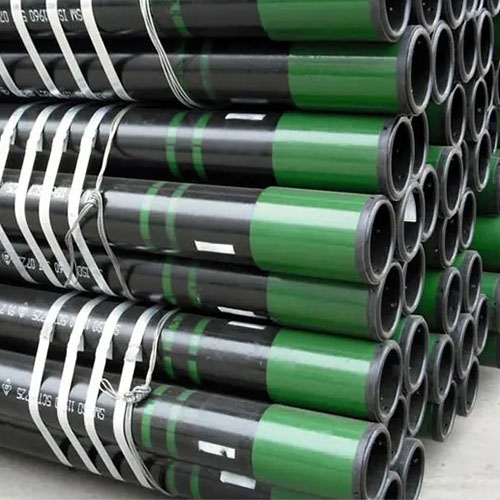
تنفيذ تقنيات تصميم الغلاف المتقدمة لتحسين الكفاءة
https://youtube.com/watch?v=TFftwFKh3XM
استكشاف التقنيات المبتكرة لتركيب أغلفة موفرة للطاقة
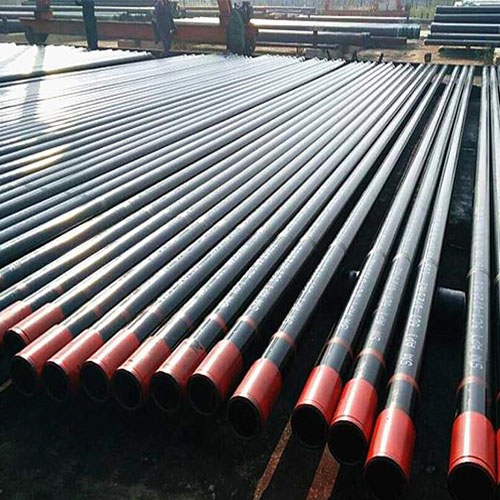
يلعب غلاف النفط دوراً حاسماً في استخراج النفط والغاز من الخزانات العميقة تحت الأرض. إنه بمثابة حاجز وقائي يمنع حفرة البئر من الانهيار ويضمن استخراج الهيدروكربونات بشكل آمن وفعال. في السنوات الأخيرة، كان هناك تركيز متزايد على تحسين أداء أغلفة النفط لتعزيز الكفاءة العامة والاستدامة لإنتاج النفط والغاز.
أحد التحديات الرئيسية في تركيب أغلفة النفط هو ضمان اتصال آمن وموثوق بين الغلاف المفاصل. تقليديًا، يتم ربط وصلات الغلاف معًا باستخدام عملية تعرف باسم اقتران الغلاف. ومع ذلك، يمكن أن تستغرق هذه الطريقة وقتًا طويلاً وتتطلب عمالة مكثفة، مما يؤدي إلى زيادة التكاليف والمخاطر المحتملة على السلامة. ولمواجهة هذه التحديات، تم تطوير تقنيات مبتكرة مثل الوصلات المتميزة لتحسين أداء غلاف الزيت.
تم تصميم الوصلات المتميزة لتوفير اتصال أكثر أمانًا وموثوقية بين وصلات الغلاف، مما يقلل من مخاطر التسربات والفشل. هذه الوصلات مصنوعة من مواد عالية الجودة وتخضع لاختبارات صارمة لضمان متانتها وأدائها في ظروف التشغيل القاسية. باستخدام التوصيلات المتميزة، يمكن للمشغلين تحسين كفاءة وموثوقية تركيب غلاف الزيت، مما يؤدي إلى توفير التكاليف وتعزيز السلامة.
جانب مهم آخر من أداء غلاف الزيت هو مقاومته للتآكل والتآكل. في البيئة القاسية لآبار النفط والغاز، يتعرض الغلاف للسوائل المسببة للتآكل ودرجات الحرارة المرتفعة، مما قد يؤدي إلى التدهور بمرور الوقت. لمعالجة هذه المشكلة، تم تطوير مواد وطلاءات جديدة لتعزيز مقاومة التآكل في أغلفة الزيت.
إحدى التقنيات المبتكرة التي اكتسبت قوة جذب في الصناعة هي استخدام السبائك المقاومة للتآكل (CRAs) في أغلفة الزيت. تم تصميم هذه السبائك خصيصًا لمقاومة التأثيرات المسببة للتآكل لسوائل قاع البئر وتوفير حماية طويلة الأمد للغلاف. باستخدام CRAs، يمكن للمشغلين إطالة عمر خدمة أغلفةهم وتقليل الحاجة إلى الإصلاحات والاستبدالات المكلفة.
بالإضافة إلى تحسين أداء أغلفة النفط، هناك أيضًا تركيز متزايد على تقليل التأثير البيئي للنفط والغاز إنتاج. إحدى الطرق لتحقيق ذلك هي من خلال استخدام تقنيات تركيب الغلاف الموفرة للطاقة. من خلال تحسين عملية الحفر وتقليل استهلاك الطاقة المرتبط بتركيب الغلاف، يمكن للمشغلين تقليل انبعاثات الكربون والمساهمة في مستقبل طاقة أكثر استدامة.
إحدى التقنيات المبتكرة التي تساعد على تحقيق هذا الهدف هي استخدام أنظمة تشغيل الغلاف الآلية . تستخدم هذه الأنظمة الروبوتات المتقدمة والأتمتة لتبسيط عملية تركيب الغلاف، مما يقلل الحاجة إلى العمل اليدوي ويقلل استهلاك الطاقة. من خلال استخدام أنظمة تشغيل أغلفة النفط الآلية، يمكن للمشغلين تحسين كفاءة واستدامة عملياتهم مع تعزيز السلامة والموثوقية أيضًا.
في الختام، يلعب أداء أغلفة النفط دورًا حاسمًا في كفاءة واستدامة إنتاج النفط والغاز. ومن خلال دمج التقنيات المبتكرة مثل التوصيلات المتميزة، والسبائك المقاومة للتآكل، وأنظمة تشغيل الغلاف الآلية، يمكن للمشغلين تحسين أداء غلاف الزيت وتمهيد رحلة طاقة جديدة نحو مستقبل أكثر استدامة. ومن خلال الاستثمار في هذه التقنيات، يمكن للمشغلين تحسين الكفاءة والموثوقية والأثر البيئي لعملياتهم، مما يضمن مستقبل طاقة أكثر استدامة للأجيال القادمة.
Oil casing plays a crucial role in the extraction of Oil and gas from deep underground reservoirs. It serves as a protective barrier that prevents the wellbore from collapsing and ensures the smooth flow of oil and gas to the surface. In recent years, there has been a growing emphasis on refining the performance of oil casing to improve efficiency and reduce costs in the oil and gas industry.
One of the key challenges in oil casing design is ensuring that it can withstand the high pressures and temperatures encountered in deep wells. Traditional casing materials such as carbon steel have limitations in terms of their strength and Corrosion resistance, leading to frequent failures and costly Repairs. To address these issues, advanced casing design techniques have been developed to enhance the performance of oil casing and extend its service life.
One of the most promising advancements in oil casing design is the use of high-strength materials such as alloy steels and composites. These materials offer superior mechanical properties and corrosion resistance compared to traditional carbon steel, making them ideal for use in demanding oil and gas applications. By incorporating high-strength materials into the design of oil casing, operators can increase the reliability and longevity of their wells, leading to significant cost savings over the long term.
In addition to using high-strength materials, advanced casing design techniques also focus on optimizing the geometry and configuration of the Casing string. By carefully selecting the size, Weight, and grade of casing components, engineers can tailor the design to meet the specific requirements of each well, ensuring optimal performance and efficiency. This level of customization allows operators to maximize production rates and minimize downtime, ultimately improving the overall profitability of their operations.
Another key aspect of advanced casing design is the use of innovative technologies such as casing Centralizers and casing accessories. These devices help to improve the hydraulic performance of the wellbore by ensuring proper cement placement and reducing fluid friction during production. By incorporating these technologies into the design of oil casing, operators can enhance the flow of oil and gas to the surface, leading to increased production rates and improved efficiency.
Furthermore, advanced casing design techniques also focus on enhancing the environmental sustainability of oil and gas operations. By using high-strength materials and optimizing the design of oil casing, operators can reduce the risk of casing failures and leaks, which can lead to environmental contamination and costly cleanup efforts. Additionally, by improving the efficiency of oil casing, operators can minimize the energy consumption and greenhouse gas emissions associated with oil and gas production, contributing to a more sustainable energy future.
In conclusion, the implementation of advanced casing design techniques is essential for refining the performance of oil casing and paving a new energy journey for the oil and gas industry. By using high-strength materials, optimizing casing geometry, and incorporating innovative technologies, operators can improve the efficiency, reliability, and sustainability of their operations. With continued advancements in oil casing design, the industry can overcome challenges and achieve greater success in extracting oil and gas from deep underground reservoirs.
Exploring Innovative Technologies for Energy-Efficient Casing Installation
Oil casing plays a crucial role in the extraction of oil and gas from deep underground reservoirs. It serves as a protective barrier that prevents the wellbore from collapsing and ensures the safe and efficient extraction of hydrocarbons. In recent years, there has been a growing emphasis on improving the performance of oil casing to enhance the overall efficiency and sustainability of oil and gas production.
One of the key challenges in Oil casing installation is ensuring a secure and reliable connection between casing joints. Traditionally, casing joints are Threaded together using a process known as casing coupling. However, this method can be time-consuming and labor-intensive, leading to increased costs and potential safety risks. To address these challenges, innovative technologies such as premium connections have been developed to improve the performance of oil casing.
Premium connections are designed to provide a more secure and reliable connection between casing joints, reducing the risk of leaks and failures. These connections are made from high-quality materials and undergo rigorous testing to ensure their durability and performance in harsh operating conditions. By using premium connections, operators can improve the efficiency and reliability of oil casing installation, leading to cost savings and enhanced safety.
Another important aspect of oil casing performance is its resistance to corrosion and wear. In the harsh environment of oil and gas wells, casing is exposed to corrosive fluids and high temperatures, which can lead to degradation over time. To address this issue, new materials and coatings have been developed to enhance the corrosion resistance of oil casing.
One innovative technology that has been gaining traction in the industry is the use of corrosion-resistant alloys (CRAs) for oil casing. These alloys are specifically designed to withstand the corrosive effects of downhole fluids and provide long-lasting protection for the casing. By using CRAs, operators can extend the service life of their casing and reduce the need for costly repairs and replacements.
In addition to improving the performance of oil casing, there is also a growing focus on reducing the environmental impact of oil and gas production. One way to achieve this is through the use of energy-efficient casing installation techniques. By optimizing the drilling process and reducing the energy consumption associated with casing installation, operators can minimize their carbon footprint and contribute to a more sustainable energy future.
One innovative technology that is helping to achieve this goal is the use of automated casing running systems. These systems utilize advanced robotics and automation to streamline the casing installation process, reducing the need for manual labor and minimizing energy consumption. By using automated casing running systems, operators can improve the efficiency and sustainability of their operations while also enhancing safety and reliability.
In conclusion, the performance of oil casing plays a critical role in the efficiency and sustainability of oil and gas production. By incorporating innovative technologies such as premium connections, corrosion-resistant alloys, and automated casing running systems, operators can refine the performance of oil casing and pave a new energy journey towards a more sustainable future. By investing in these technologies, operators can improve the efficiency, reliability, and environmental impact of their operations, ensuring a more sustainable energy future for generations to come.