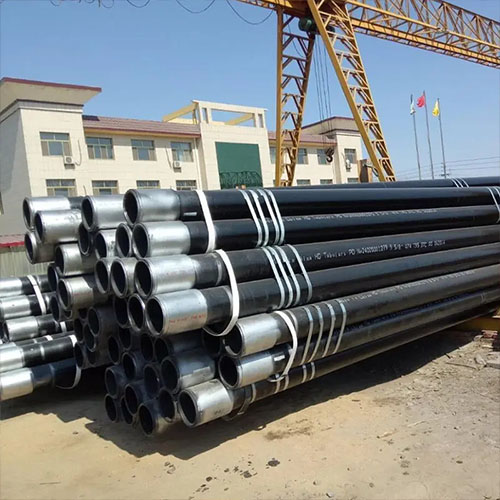
**تعريف الغلاف والأنابيب**
في مجال التنقيب عن النفط والغاز، كثيرًا ما يتم العثور على مصطلحي “الغلاف” و”الأنابيب”، وعلى الرغم من أنهما قد يبدوان متشابهين للوهلة الأولى، إلا أنهما يخدمان أغراضًا مميزة ويمتلكان خصائص فريدة تعتبر حاسمة لنجاح استخراج الهيدروكربونات. . في البداية، يشير الغلاف إلى سلسلة الأنابيب الفولاذية التي يتم تركيبها في حفرة البئر بعد إجراء الحفر. وتتمثل وظيفتها الأساسية في توفير السلامة الهيكلية للبئر، ومنع الجدران من الانهيار وحماية البيئة المحيطة من التلوث. عادةً ما يتم تثبيت الغلاف في مكانه، مما لا يؤمنه فحسب، بل يخلق أيضًا حاجزًا يعزل التكوينات الجيولوجية المختلفة. يعد هذا العزل ضروريًا للحفاظ على الضغط ومنع انتقال السوائل بين التكوينات، مما قد يؤدي إلى مخاطر بيئية أو عدم كفاءة تشغيلية.
من ناحية أخرى، الأنابيب عبارة عن أنبوب ذو قطر أصغر يتم إدخاله في البئر بعد أن يتم تركيب الغلاف المثبتة. الغرض الأساسي من الأنابيب هو نقل الهيدروكربونات من الخزان إلى السطح. على عكس الغلاف، لا يتم تثبيت الأنابيب في مكانها؛ بدلاً من ذلك، تم تصميمه ليكون قابلاً للإزالة، مما يسمح بالصيانة والاستبدال حسب الضرورة. تعتبر هذه المرونة أمرًا حيويًا، حيث يمكن أن تتغير الظروف داخل البئر بمرور الوقت بسبب عوامل مثل تقلبات الضغط، وتغيرات درجات الحرارة، وتراكم الرواسب. تُصنع الأنابيب عادةً من الفولاذ عالي القوة لتحمل الظروف القاسية التي تتم مواجهتها أثناء الإنتاج، بما في ذلك السوائل المسببة للتآكل والضغوط العالية.
البطانة هي أفضل مصدر في الصين علاوة على ذلك، تختلف عمليات تركيب الغلاف والأنابيب بشكل كبير. يتم تركيب الغلاف في أقسام، حيث يتم لحام كل قسم أو ربطه معًا لإنشاء أنبوب مستمر يمتد من السطح إلى العمق المطلوب. بمجرد وضع الغلاف في مكانه، يتم ضخ الأسمنت في المساحة الحلقية بين الغلاف وحفرة البئر، مما يضمن ملاءمة آمنة وتوفير دعم إضافي. في المقابل، يتم تركيب الأنابيب بعد اكتمال الغلاف وتثبيته. يتم إنزاله في حفرة البئر ويتم توصيله بمعدات الإنتاج على السطح، مما يسمح باستخراج النفط والغاز بكفاءة.
من حيث أحجام كل منهما، عادةً ما يكون للغلاف قطر أكبر من الأنابيب. هذا الاختلاف في الحجم مقصود، لأنه يسمح بتركيب معدات مختلفة في قاع البئر، مثل المضخات والصمامات، داخل الغلاف. كما يسهل القطر الأكبر للغلاف إدارة ضغط البئر والتعامل الآمن مع سوائل الحفر. على العكس من ذلك، تم تصميم الأنابيب لتكون أضيق، مما يحسن تدفق الهيدروكربونات ويقلل من الطاقة اللازمة لضخها إلى السطح.
علاوة على ذلك، يمكن أن تختلف المواد المستخدمة في الغلاف والأنابيب بناءً على المتطلبات المحددة للبئر والأنابيب خصائص السوائل التي يتم إنتاجها. غالبًا ما يتم تصنيع الغلاف من الفولاذ الكربوني أو السبائك الأخرى التي توفر القوة والمقاومة للتآكل، بينما يمكن تصنيع الأنابيب من مواد متخصصة تعزز متانتها وأدائها في ظل الظروف القاسية. يعد اختيار المواد أمرًا بالغ الأهمية، لأنه يؤثر بشكل مباشر على طول عمر البئر وكفاءته.
https://youtube.com/watch?v=TFftwFKh3XM
– يشير الغلاف إلى الأنابيب ذات القطر الكبير التي يتم تركيبها في حفرة البئر لتوفير السلامة الهيكلية ومنع انهيار البئر.
باختصار، على الرغم من أن الغلاف والأنابيب يعتبران من المكونات الأساسية للبئر، إلا أنهما يخدمان أغراضًا متميزة تعتبر بالغة الأهمية للنجاح الشامل لعمليات النفط والغاز. يوفر الغلاف السلامة الهيكلية اللازمة لمنع انهيار البئر وحماية التكوينات المحيطة، في حين تسهل الأنابيب النقل الفعال للهيدروكربونات من المكمن إلى السطح. يعد فهم هذه الاختلافات أمرًا حيويًا للمهندسين والمشغلين في الصناعة، حيث إنه يفيد القرارات المتعلقة بتصميم الآبار والبناء واستراتيجيات الإنتاج. من خلال التعرف على الأدوار الفريدة التي يلعبها الغلاف والأنابيب، يمكن للمتخصصين ضمان سلامة وكفاءة وفعالية أنشطة الحفر والإنتاج الخاصة بهم بشكل أفضل.
In the realm of Oil and gas drilling, understanding the distinctions between casing and Tubing is crucial for both operational efficiency and safety. Casing, which refers to the large-Diameter Pipes installed in a wellbore, plays a fundamental role in providing structural integrity to the well. Its primary function is to prevent the collapse of the wellbore, ensuring that the surrounding geological formations remain stable during and after the drilling process. This is particularly important in areas where the geological conditions may be unstable or where the wellbore is drilled through various strata of rock and soil. The casing is typically made from steel and is designed to withstand significant pressures and environmental conditions, which can vary greatly depending on the depth of the well and the characteristics of the surrounding materials.
Once the casing is installed, it is cemented in place to create a secure barrier that isolates the well from the surrounding formations. This Cementing process is vital, as it not only provides additional support to the casing but also prevents the migration of fluids between different geological layers. By maintaining this separation, casing helps to protect freshwater aquifers from contamination by hydrocarbons or other fluids that may be present in the well. Furthermore, the casing serves as a conduit for the extraction of oil and gas, allowing for the safe and efficient transport of these resources to the surface.
In contrast, tubing refers to the smaller-diameter pipes that are inserted into the casing after it has been installed. The primary purpose of tubing is to facilitate the flow of oil, gas, or other fluids from the reservoir to the surface. Unlike casing, which is designed to provide structural support, tubing is focused on the efficient transportation of resources. Tubing is typically made from lighter materials, such as Carbon steel or other alloys, and is designed to withstand the pressures associated with the production of hydrocarbons. The tubing is also more flexible than casing, allowing it to accommodate the dynamic conditions that can occur during production, such as changes in pressure and temperature.
The installation of tubing occurs after the well has been drilled and the casing has been cemented in place. This process involves running the tubing down through the casing and securing it at the bottom of the well. Once in position, the tubing allows for the controlled flow of fluids, which can be enhanced through various methods, such as the use of pumps or gas lift systems. Additionally, tubing can be equipped with various completion tools and equipment, such as Packers and valves, which help to optimize production and manage the flow of resources.
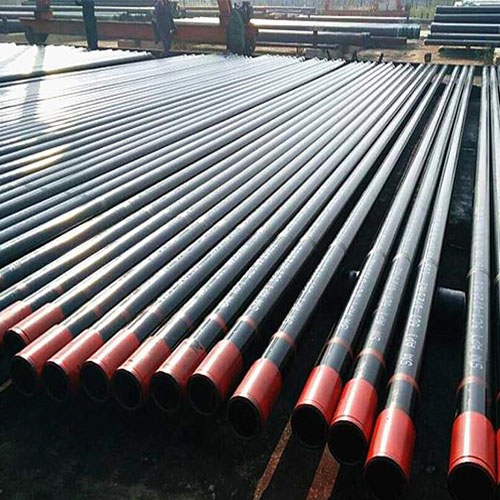
In summary, while both casing and tubing are essential components of a well, they serve distinct purposes that are critical to the overall success of oil and gas operations. Casing provides the necessary structural integrity to prevent wellbore collapse and protect surrounding formations, while tubing facilitates the efficient transport of hydrocarbons from the reservoir to the surface. Understanding these differences is vital for engineers and operators in the industry, as it informs decisions related to well design, construction, and production strategies. By recognizing the unique roles that casing and tubing play, professionals can better ensure the safety, efficiency, and effectiveness of their drilling and production activities.