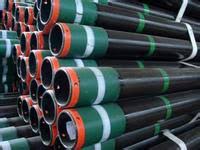
تقنيات منع التآكل لغلاف الزيت: دليل شامل
استراتيجيات وسياسات مكافحة التآكل في أغلفة الزيت
https://youtube.com/watch?v=1hWUnHt3JmEيكمن حجر الزاوية في منع التآكل في اختيار مواد الغلاف. يتم استخدام سبائك الفولاذ في الغالب بسبب قوتها ومتانتها، ولكن قابليتها للتآكل تتطلب دراسة متأنية. يُفضل الفولاذ عالي السبائك ذو المقاومة المعززة للعوامل المسببة للتآكل مثل الكروم والنيكل والموليبدينوم لأدائه المتفوق في البيئات المعادية. بالإضافة إلى ذلك، توفر الطلاءات والبطانات حاجزًا إضافيًا ضد العناصر المسببة للتآكل، مما يطيل عمر خدمة مواد التغليف.
تلعب المعالجات السطحية والمثبطات دورًا حاسمًا في استراتيجيات الوقاية من التآكل. تعمل المعالجات السطحية مثل طلاء الفوسفات والكروم وطلاءات الأكسيد على إنشاء طبقات واقية تمنع بدء التآكل وانتشاره. تُستخدم المثبطات، سواء الكيميائية أو الكهروكيميائية، لتعديل البيئة المسببة للتآكل عن طريق تغيير مستويات الرقم الهيدروجيني أو تشكيل أفلام واقية على الأسطح المعدنية. يتم دمج هذه الأساليب في ممارسات إكمال الآبار وصيانتها لحماية سلامة الغلاف طوال دورة حياته التشغيلية.
علاوة على ذلك، تتطلب العوامل التشغيلية والبيئية أنظمة مراقبة وصيانة مستمرة. يضمن الفحص المنتظم باستخدام تقنيات الاختبار غير المدمر المتقدمة (NDT) مثل الاختبار بالموجات فوق الصوتية (UT) والفحص الكهرومغناطيسي الكشف المبكر عن العيوب المرتبطة بالتآكل. يسمح هذا النهج الاستباقي بالتدخلات في الوقت المناسب، مثل التنظيف أو إعادة الطلاء أو إصلاح الأغلفة التالفة، وبالتالي منع الأعطال الكارثية وتقليل وقت التوقف عن العمل.
تلعب الأطر التنظيمية ومعايير الصناعة دورًا محوريًا في تشكيل سياسات مكافحة التآكل. تطبق الحكومات والهيئات الصناعية لوائح صارمة تقضي باستخدام مواد مقاومة للتآكل والالتزام ببروتوكولات الصيانة. يضمن الامتثال لمعايير مثل مواصفات API (معهد البترول الأمريكي) التوحيد والجودة في ممارسات منع التآكل في جميع أنحاء الصناعة، مما يعزز ثقافة السلامة والموثوقية.
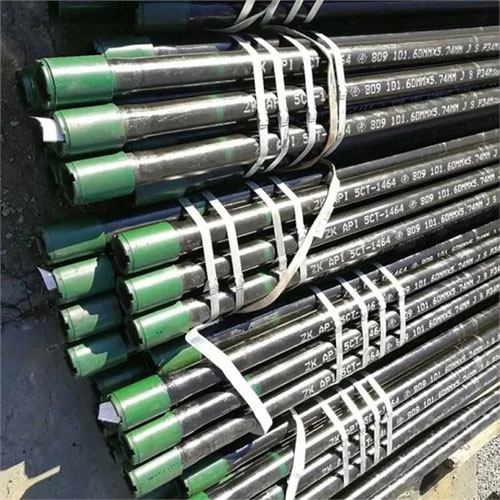
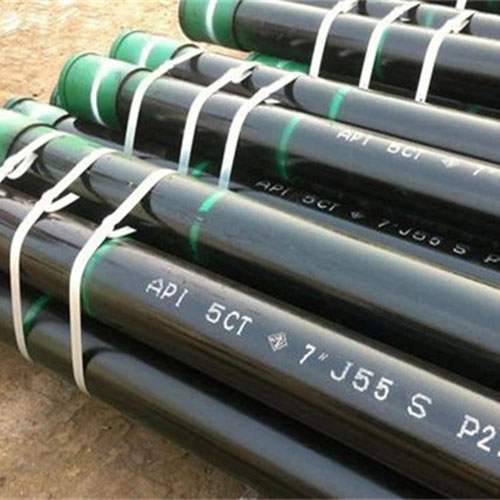
api 5ct L80-1 casing best Chinese Maker الجهود التعاونية بين أصحاب المصلحة في الصناعة والمؤسسات البحثية ، ومقدمو التكنولوجيا يدفعون الابتكار في مجال منع التآكل. تركز الأبحاث على تطوير المواد المتقدمة والطلاءات وتقنيات النمذجة التنبؤية لتعزيز مقاومة التآكل وتحسين استراتيجيات الصيانة. تتيح التطورات التكنولوجية في أنظمة مراقبة التآكل والتحليلات التنبؤية تقييم حالة الغلاف في الوقت الفعلي، وتسهيل التخطيط الاستباقي للصيانة وتخفيف المخاطر.
في الختام، تجمع الاستراتيجيات الفعالة لمكافحة التآكل في غلاف النفط بين علوم المواد وهندسة الأسطح والصيانة الاستباقية و الامتثال التنظيمي. يؤكد التطور المستمر للتقنيات والممارسات على التزام الصناعة بتعزيز الكفاءة التشغيلية والاستدامة البيئية والسلامة. ومن خلال دمج هذه الاستراتيجيات في سير العمل التشغيلي والأطر التنظيمية، يحافظ أصحاب المصلحة على سلامة أنظمة تغليف النفط، مما يضمن إنتاج طاقة موثوقًا ومستدامًا للمستقبل.
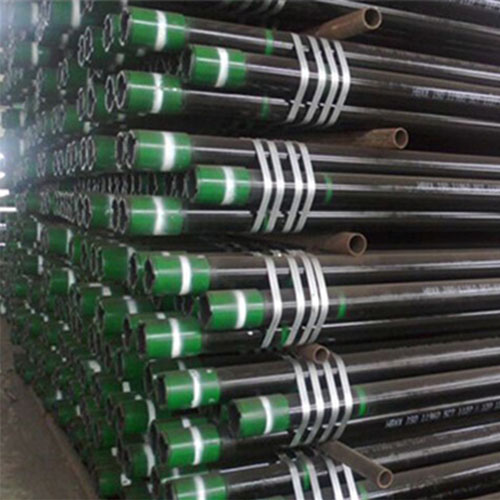
A cornerstone of corrosion prevention lies in the choice of casing materials. steel alloys are predominantly used due to their strength and durability, but their susceptibility to corrosion necessitates careful consideration. High-alloy steels with enhanced resistance to corrosive agents such as chromium, nickel, and molybdenum are favored for their superior performance in hostile environments. Additionally, coatings and linings provide an additional barrier against corrosive elements, extending the service life of casing materials.
Surface treatments and inhibitors play a crucial role in corrosion prevention strategies. Surface treatments like phosphating, chromating, and oxide film coatings create protective layers that inhibit corrosion initiation and propagation. Inhibitors, both chemical and electrochemical, are used to modify the corrosive environment by altering pH levels or forming protective films on metal surfaces. These approaches are integrated into well completion and Maintenance practices to safeguard casing integrity throughout its operational Life cycle.
Furthermore, operational and environmental factors necessitate ongoing monitoring and maintenance regimes. Regular inspection using advanced Non-destructive testing (NDT) techniques such as ultrasonic testing (UT) and electromagnetic inspection ensures early detection of corrosion-related defects. This proactive approach allows for timely interventions, such as cleaning, recoating, or Repairing damaged casings, thereby preventing catastrophic failures and minimizing operational downtime.
Regulatory frameworks and industry standards play a pivotal role in shaping anti-corrosion policies. Governments and industry bodies enforce stringent regulations mandating the use of corrosion-resistant materials and adherence to maintenance protocols. Compliance with standards such as API (American petroleum Institute) specifications ensures uniformity and quality in corrosion prevention practices across the industry, fostering a culture of safety and reliability.
API 5CT l80-1 CASING Best Chinese MakerCollaborative efforts between industry stakeholders, research institutions, and technology providers drive innovation in corrosion prevention. Research focuses on developing advanced materials, coatings, and predictive modeling techniques to enhance Corrosion resistance and optimize maintenance strategies. Technological advancements in corrosion monitoring systems and predictive analytics enable real-time assessment of casing condition, facilitating proactive maintenance planning and risk mitigation.
In conclusion, effective anti-corrosion strategies for Oil casing combine material science, surface engineering, proactive maintenance, and regulatory compliance. The continuous evolution of technologies and practices underscores the industry’s commitment to enhancing operational efficiency, environmental sustainability, and safety. By integrating these strategies into operational workflows and regulatory frameworks, stakeholders uphold the integrity of oil casing systems, ensuring reliable and sustainable energy production for the future.