
اختيار مادة التغليف المناسبة لآبار النفط والغاز
أهمية الاختيار الصحيح للأنابيب في عمليات استكمال الآبار
بالإضافة إلى ذلك، يلعب حجم الأنابيب وتصميمها دورًا مهمًا في عمليات إكمال البئر. يتم تحديد قطر وسمك جدار الأنبوب بناءً على عوامل مثل معدل تدفق سوائل المكمن، ومتطلبات الضغط، واستقرار حفرة البئر. يعد الحجم المناسب للأنابيب أمرًا ضروريًا لضمان كفاءة الإنتاج وتقليل مخاطر فشل الأنابيب أو تلفها. تتوفر أنواع مختلفة من توصيلات الأنابيب، بما في ذلك التوصيلات الملولبة والمتكاملة والمتميزة، حيث يقدم كل منها مستويات مختلفة من القوة وإمكانية الغلق وسهولة التركيب. يعتمد اختيار توصيلات الأنابيب على عوامل مثل ظروف البئر، ومتطلبات الإنتاج، وقيود الميزانية.
بالإضافة إلى المواد والحجم والوصلات، فإن اختيار الأنابيب يتضمن أيضًا مراعاة عوامل أخرى مثل وجود السوائل المسببة للتآكل ودرجات الحرارة المرتفعة والمواد الكاشطة في حفرة البئر. يمكن تطبيق طبقات أو بطانات متخصصة على الأنابيب لحمايتها من التآكل والتآكل، مما يؤدي إلى إطالة عمر الخدمة وضمان أداء موثوق به في ظروف البئر الصعبة.
يعد الاختيار المناسب للأنابيب أمرًا ضروريًا ليس فقط للإكمال الأولي للبئر ولكن أيضًا لإنتاجها وتشغيلها على المدى الطويل. يمكن أن يساعد اختيار الأنابيب المناسبة بناءً على ظروف البئر المحددة ومتطلبات الإنتاج في تحسين معدلات الإنتاج وتقليل وقت التوقف عن العمل وتقليل تكاليف الصيانة طوال عمر البئر.
علاوة على ذلك، يساهم اختيار الأنابيب المناسب في سلامة البئر وسلامته من خلال ضمان البنية الهيكلية. سلامة الأنابيب في ظل ظروف التشغيل المختلفة. يعد استقرار حفرة البئر، ومقاومة انهيار الأنابيب، وقوة الكلال من بين العوامل التي يجب أخذها في الاعتبار عند اختيار الأنابيب لضمان التشغيل الآمن والموثوق للبئر.
في الختام، لا يمكن المبالغة في أهمية الاختيار المناسب للأنابيب في عمليات إكمال البئر. . ومن خلال النظر في عوامل مثل المواد والحجم والوصلات والظروف البيئية، يمكن للمشغلين ضمان الأداء الأمثل وطول العمر والسلامة لآبارهم. يعد الاستثمار في الأنابيب عالية الجودة واختيار الأنابيب المناسبة بناءً على ظروف البئر المحددة ومتطلبات الإنتاج أمرًا ضروريًا لإكمال البئر بنجاح وعمليات الإنتاج على المدى الطويل.
https://youtube.com/watch?v=RE2SoEdCgoQ
Additionally, the size and design of the Tubing play a significant role in well completion operations. The Diameter and Wall thickness of the tubing are selected based on factors such as the flow rate of the reservoir fluids, pressure requirements, and wellbore stability. proper sizing of the tubing is essential to ensure efficient production and minimize the risk of tubing failure or damage.
Furthermore, the selection of tubing connections is crucial in well completion operations to ensure a reliable and leak-free Seal between tubing joints. Various types of tubing connections are available, including Threaded, integral, and premium connections, each offering different levels of strength, sealing capability, and ease of installation. The choice of tubing connections depends on factors such as the well conditions, production requirements, and budget constraints.
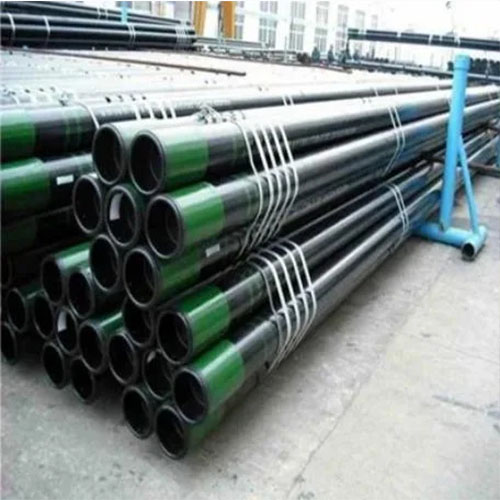
In addition to material, size, and connections, the selection of tubing also involves considering other factors such as the presence of corrosive fluids, high temperatures, and abrasive materials in the wellbore. specialized coatings or linings may be applied to the tubing to protect it from corrosion, erosion, and wear, extending its service life and ensuring reliable performance in challenging well conditions.
Proper tubing selection is essential not only for the initial completion of a well but also for its long-term production and operation. Choosing the right tubing based on the specific well conditions and production requirements can help optimize production rates, minimize downtime, and reduce Maintenance costs over the life of the well.
Moreover, proper tubing selection contributes to well integrity and safety by ensuring the structural integrity of the tubing under various operating conditions. Wellbore stability, tubing collapse resistance, and fatigue strength are among the factors that need to be considered when selecting tubing to ensure safe and reliable operation of the well.
In conclusion, the importance of proper tubing selection in well completion operations cannot be overstated. By considering factors such as material, size, connections, and environmental conditions, operators can ensure the optimal performance, longevity, and safety of their wells. Investing in high-quality tubing and selecting the right tubing based on the specific well conditions and production requirements is essential for successful well completion and long-term production operations.


