فوائد استخدام غلاف الزيت فائق القوة والمقاوم للتآكل في الحفر في أعماق البحار
20 أنابيب الصلب
الابتكارات في مجال التكنولوجيا الخاصة بغطاء الزيت فائق القوة والمقاوم للتآكل في عمليات الحفر في أعماق البحار
بالإضافة إلى السبائك عالية القوة، طور الباحثون أيضًا طلاءات وعلاجات مبتكرة تعمل على تعزيز مقاومة غلاف الزيت للتآكل. أحد الأمثلة على ذلك هو استخدام الطلاء الخزفي، الذي يخلق حاجزًا وقائيًا بين الغلاف والسوائل المسببة للتآكل، مما يمنع التدهور ويطيل عمر الغلاف. يتم تطبيق هذه الطلاءات باستخدام تقنيات الترسيب المتقدمة، مثل رش البلازما وترسيب البخار الكيميائي، مما يضمن تغطية موحدة وأقصى قدر من الحماية ضد التآكل.
علاوة على ذلك، أتاحت التطورات في تكنولوجيا النانو تطوير مواد مركبة نانوية توفر قوة فائقة ومقاومة للتآكل مقارنة بالمواد المركبة النانوية. المواد التقليدية. تم تصميم هذه المواد على المستوى الجزيئي، مما يسمح بالتحكم الدقيق في خصائصها وأدائها في تطبيقات الحفر في أعماق البحار. ومن خلال دمج الجسيمات النانوية، مثل أنابيب الكربون النانوية والجرافين، في هيكل غلاف النفط، تمكن الباحثون من تحسين قوتها الميكانيكية ومقاومتها للتآكل بشكل كبير، مما يجعلها خيارًا مثاليًا لعمليات الحفر في أعماق البحار.
بشكل عام، لقد كان تطوير غلاف النفط فائق القوة والمقاوم للتآكل بمثابة تغيير في قواعد اللعبة بالنسبة لصناعة الحفر في أعماق البحار، مما مكن المشغلين من استخراج النفط والغاز بأمان وكفاءة من تحت قاع المحيط. ومن خلال استخدام السبائك عالية القوة والطلاءات المتقدمة والمواد المركبة النانوية، تمكن المهندسون من التغلب على التحديات التي تفرضها الظروف القاسية للحفر في أعماق البحار، مما يضمن موثوقية وطول عمر غلاف النفط في هذه البيئات الصعبة. ومع استمرار تطور التكنولوجيا، يمكننا أن نتوقع المزيد من الابتكارات في مواد وتصميمات أغلفة النفط التي من شأنها أن تزيد من تعزيز كفاءة واستدامة عمليات الحفر في أعماق البحار.
Innovations in technology for Ultra-Strong Corrosion-Resistant Oil casing in Deep-Sea drilling
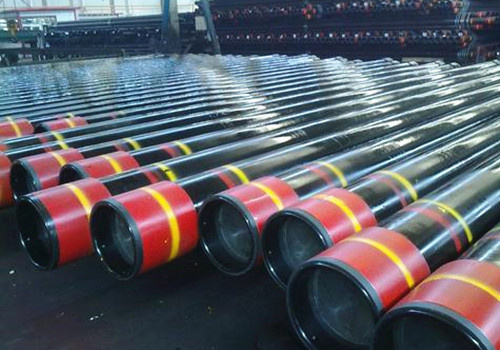
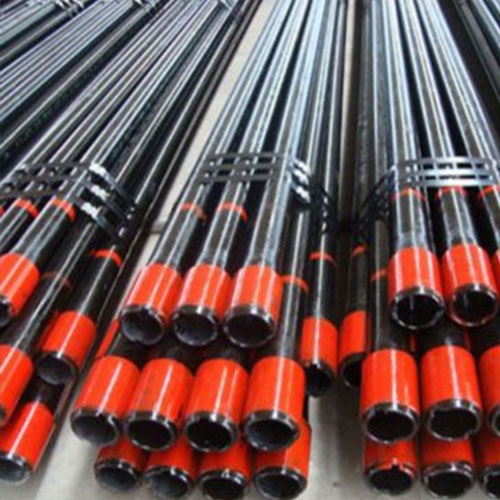
Deep-sea drilling is a complex and challenging process that requires cutting-edge technology to ensure success. One key component of deep-sea drilling operations is the oil casing, which plays a crucial role in protecting the wellbore and ensuring the safe extraction of Oil and gas from beneath the ocean floor. In recent years, there have been significant advancements in the development of ultra-strong corrosion-resistant oil casing that has revolutionized the deep-sea drilling industry.

The harsh conditions of deep-sea drilling, including high pressures, extreme temperatures, and corrosive environments, place immense stress on oil casing. Traditional Oil casing materials, such as carbon steel, are susceptible to corrosion and degradation over time, leading to costly Repairs and potential environmental hazards. To address these challenges, engineers and researchers have developed new materials and coatings that offer superior strength and Corrosion resistance, ensuring the integrity and longevity of oil casing in deep-sea drilling operations.
One of the most promising innovations in oil casing technology is the use of high-strength alloys, such as chromium, nickel, and molybdenum, which offer exceptional mechanical properties and resistance to corrosion. These alloys are carefully engineered to withstand the harsh conditions of deep-sea drilling, providing a reliable barrier against corrosive elements and ensuring the structural integrity of the wellbore. Additionally, advanced manufacturing techniques, such as hot rolling and quenching, are used to enhance the strength and durability of oil casing, making it capable of withstanding the extreme pressures and temperatures encountered in deep-sea drilling operations.
https://youtube.com/watch?v=Z0hn2ksAgYMIn addition to high-strength alloys, researchers have also developed innovative coatings and treatments that further enhance the corrosion resistance of oil casing. One example is the use of ceramic coatings, which create a protective barrier between the casing and corrosive fluids, preventing degradation and extending the lifespan of the casing. These coatings are applied using advanced deposition techniques, such as plasma spraying and chemical vapor deposition, ensuring uniform coverage and maximum protection against corrosion.
Furthermore, advancements in nanotechnology have enabled the development of nanocomposite materials that offer superior strength and corrosion resistance compared to traditional materials. These materials are engineered at the molecular level, allowing for precise control over their properties and performance in deep-sea drilling applications. By incorporating nanoparticles, such as carbon nanotubes and graphene, into the structure of oil casing, researchers have been able to significantly improve its mechanical strength and resistance to corrosion, making it an ideal choice for deep-sea drilling operations.
Overall, the development of ultra-strong corrosion-resistant oil casing has been a game-changer for the deep-sea drilling industry, enabling operators to safely and efficiently extract oil and gas from beneath the ocean floor. By utilizing high-strength alloys, advanced coatings, and nanocomposite materials, engineers have been able to overcome the challenges posed by the harsh conditions of deep-sea drilling, ensuring the reliability and longevity of oil casing in these demanding environments. As technology continues to evolve, we can expect further innovations in oil casing materials and designs that will further enhance the efficiency and sustainability of deep-sea drilling operations.