Micropiling: دليل شامل
تعد الركائز الدقيقة والدعامات من التقنيات الحاسمة في صناعة البناء والتشييد، حيث تلعب دورًا مهمًا في تثبيت الهياكل ودعم الأحمال الثقيلة. Micropiling، على وجه الخصوص، هي تقنية أساس متخصصة تتضمن حفر أكوام ذات قطر صغير في الأرض لتوفير الدعم الهيكلي. يتم إنشاء هذه الركائز، التي يتراوح قطرها عادةً من 60 مم إلى 300 مم، باستخدام مواد عالية القوة مثل الفولاذ أو الخرسانة.
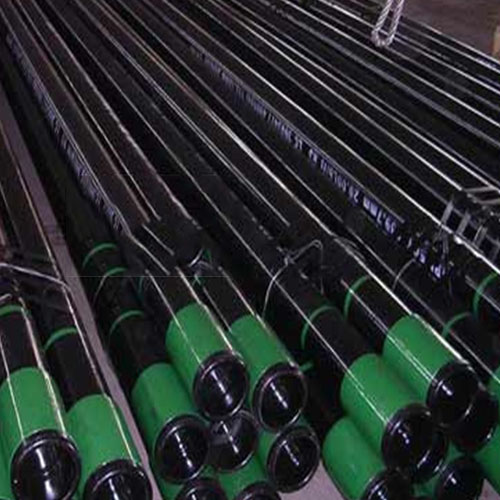
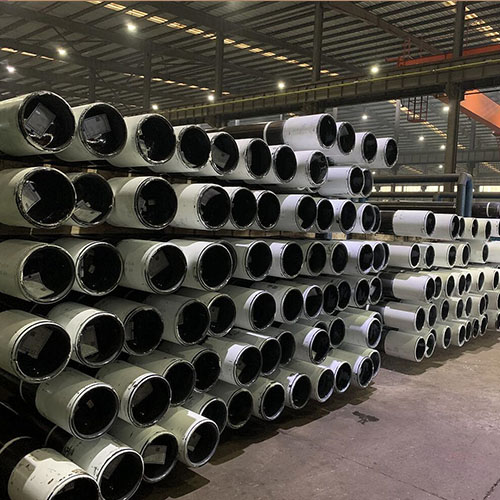
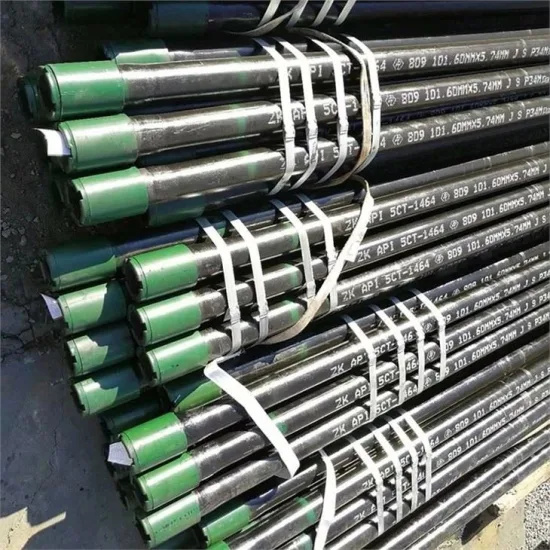
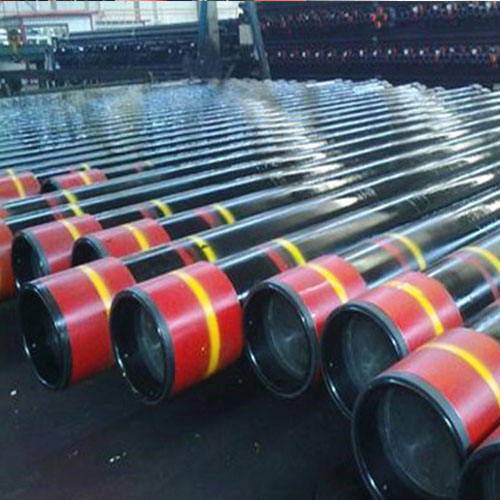
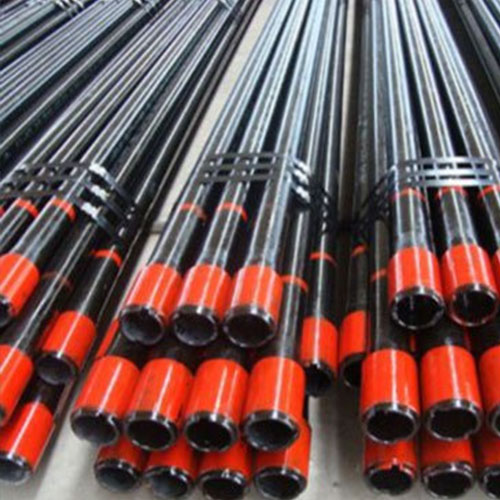
API 5L api 5ct J55 K55 N80 L80 P110 غلاف النفط وأنابيب غلاف آبار النفط
واحدة من المزايا الرئيسية للتكديس الدقيق هي إمكانية تركيبه في مناطق محدودة الوصول أو حيث تكون طرق الأساس التقليدية غير ممكنة. وهذا يجعل التكديس الصغير حلاً مثاليًا للمشاريع في البيئات الحضرية أو المواقع ذات المساحة المحدودة. بالإضافة إلى ذلك، يمكن تركيب الأكوام الدقيقة بزوايا مختلفة لاستيعاب متطلبات الأحمال المختلفة، مما يجعلها متعددة الاستخدامات لمجموعة واسعة من التطبيقات.
تبدأ عملية الأكوام الدقيقة بحفر ثقب في الأرض باستخدام معدات متخصصة مثل الحفارات الدوارة أو المثاقب الهيدروليكية. بمجرد حفر الحفرة إلى العمق المطلوب، يتم إدخال قضيب تقوية فولاذي في الحفرة، ويتم ضخ الجص لملء الفراغ وربط الكومة الدقيقة بالتربة المحيطة. يؤدي هذا إلى إنشاء عنصر أساس قوي قادر على تحمل الأحمال الكبيرة.
يتم استخدام Micropiling بشكل شائع في المواقف التي تكون فيها طرق الأساس التقليدية غير مناسبة. ومن ناحية أخرى، فإن الأساس ينطوي على تعزيز أساس الهيكل القائم الذي شهد الاستيطان أو عدم الاستقرار. يمكن أن يحدث هذا بسبب عوامل مختلفة مثل سوء ظروف التربة، أو التغيرات في البيئة المحيطة، أو الأضرار الهيكلية. ويتم اختيار كل طريقة بناءً على المتطلبات المحددة للمشروع، مع الأخذ في الاعتبار عوامل مثل ظروف التربة، والأحمال الهيكلية، وقيود الوصول.
أهمية تقنيات الركيزة المناسبة
Micropiling هي تقنية دعامة متخصصة تتضمن حفر أكوام ذات قطر صغير في الأرض لدعم أساس الهيكل. عادة ما تكون هذه الركائز مصنوعة من الفولاذ أو الخرسانة عالية القوة ويتم تركيبها على فترات زمنية محددة مسبقًا لنقل الحمل الهيكلي إلى طبقات التربة الأكثر عمقًا والأكثر استقرارًا. يتم استخدام Micropiling بشكل شائع في المواقف التي تكون فيها طرق الأساس التقليدية غير مجدية بسبب قيود المساحة أو ظروف التربة.
تتمثل إحدى الفوائد الرئيسية للأساسات الدقيقة والدعامات في قدرتها على توفير الدعم المستهدف لمناطق محددة من الهيكل دون الحاجة إلى عمليات مكثفة الحفر أو التعطيل. يعتبر هذا النهج الأقل بضعاً مفيدًا بشكل خاص في البيئات الحضرية حيث المساحة محدودة، ويجب أن تؤخذ الهياكل المجاورة بعين الاعتبار. من خلال وضع الركائز الدقيقة أو العناصر الأساسية بشكل استراتيجي، يمكن للمهندسين تعزيز المناطق الضعيفة أو غير المستقرة في المبنى بشكل فعال دون المساس بسلامته العامة.
علاوة على ذلك، يمكن أن تساعد تقنيات الأساس المناسبة في منع المزيد من الضرر للهيكل والتخفيف من مخاطر الإصلاحات المكلفة في المستقبل. . ومن خلال معالجة مشكلات الأساس في وقت مبكر وتنفيذ الحلول الأساسية المناسبة، يمكن لأصحاب العقارات تجنب المشكلات الهيكلية الأكثر خطورة في المستقبل. لا يضمن هذا النهج الاستباقي سلامة الشاغلين فحسب، بل يحمي أيضًا القيمة الاستثمارية للعقار.
بالإضافة إلى تعزيز الاستقرار الهيكلي، يمكن أيضًا استخدام الركائز الدقيقة والدعامات لدعم مشاريع البناء الجديدة في ظروف التربة الصعبة. ومن خلال دمج هذه التقنيات أثناء مرحلة التصميم، يمكن للمهندسين مراعاة مشكلات الأساس المحتملة وتنفيذ حلول استباقية للتخفيف من المخاطر. يمكن لهذا النهج الاستباقي توفير الوقت والمال أثناء عملية البناء عن طريق تجنب التأخير وإصلاحات الأساس المكلفة. ومن خلال معالجة مشكلات الأساس في وقت مبكر وتنفيذ الحلول الأساسية المستهدفة، يمكن للمهندسين تعزيز السلامة الهيكلية للمباني ومشاريع البنية التحتية. سواء تم استخدامها لأغراض علاجية أو لدعم البناء الجديد، فإن الركائز الدقيقة والدعامات هي أدوات أساسية في ترسانة صناعة البناء والتشييد لبناء هياكل آمنة ومتينة ومرنة.
Micropiling and underpinning are crucial techniques in the construction industry, especially when dealing with structures that require additional support or stabilization. These methods play a significant role in ensuring the structural integrity and safety of buildings, bridges, and other infrastructure projects. In this article, we will delve into the importance of proper underpinning techniques, focusing on how micropiling and underpinning contribute to the stability and longevity of structures.
Underpinning is a process used to strengthen the foundation of an existing structure or to provide additional support to prevent settlement or structural failure. It involves extending the foundation depth or width to transfer the load of the building to a more stable stratum. Proper underpinning is essential when dealing with structures that show signs of foundation distress, such as cracks in walls, uneven floors, or doors and windows that no longer close properly.

Micropiling is a specialized underpinning technique that involves drilling small–Diameter piles into the ground to support the foundation of a structure. These piles are typically made of high-strength steel or concrete and are installed at predetermined intervals to transfer the structural load to deeper, more stable s Oil layers. Micropiling is commonly used in situations where traditional underpinning methods are not feasible due to space constraints or soil conditions.
One of the key benefits of micropiling and underpinning is their ability to provide targeted support to specific areas of a structure without the need for extensive excavation or disruption. This minimally invasive approach is particularly advantageous in urban environments where space is limited, and neighboring structures must be taken into consideration. By strategically placing micropiles or underpinning elements, engineers can effectively reinforce weak or unstable areas of a building without compromising its overall integrity.
Furthermore, proper underpinning techniques can help prevent further damage to a structure and mitigate the risk of costly Repairs in the future. By addressing foundation issues early on and implementing appropriate underpinning solutions, property owners can avoid more severe structural problems down the line. This proactive approach not only ensures the safety of occupants but also protects the investment value of the property.
In addition to enhancing structural stability, micropiling and underpinning can also be used to support new construction projects in challenging soil conditions. By incorporating these techniques during the design phase, engineers can account for potential foundation issues and implement proactive solutions to mitigate risks. This proactive approach can save time and money during the construction process by avoiding delays and costly foundation repairs.
In conclusion, proper underpinning techniques, including micropiling, play a vital role in ensuring the stability and longevity of structures. By addressing foundation issues early on and implementing targeted underpinning solutions, engineers can enhance the structural integrity of buildings and infrastructure projects. Whether used for remedial purposes or to support new construction, micropiling and underpinning are essential tools in the construction industry’s arsenal for building safe, durable, and resilient structures.