نظرة عامة على أبعاد أنابيب وأنابيب غلاف octg
مواصفات أنابيب النفطتستخدم أنابيب التغليف لتبطين جدران حفرة البئر لمنع الانهيار ولضمان التدفق السلس للنفط أو الغاز إلى السطح. ومن ناحية أخرى، يتم إدخال الأنابيب في الغلاف لنقل الموارد المستخرجة إلى السطح. يأتي كلا النوعين من الأنابيب في مجموعة من الأحجام والمواصفات لاستيعاب ظروف ومتطلبات الحفر المختلفة.
أنبوب الاستكشاف الجيولوجي P110 N80q أنبوب غلاف الزيت
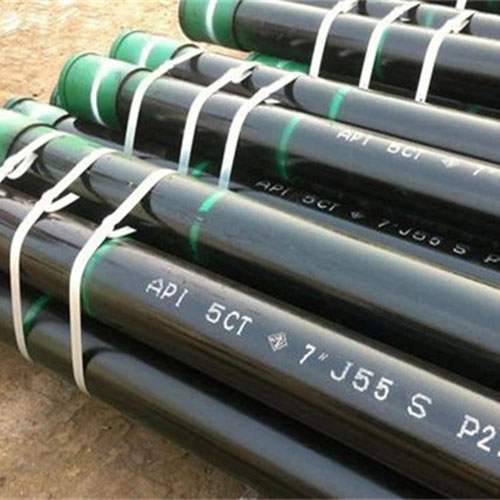
يتم تحديد أبعاد غلاف وأنابيب OCTG حسب القطر الخارجي (OD) وسمك الجدار. القطر الخارجي للأنبوب هو قياس المحيط الخارجي للأنبوب، في حين أن سمك الجدار هو قياس سمك جدار الأنبوب. تعتبر هذه الأبعاد حاسمة لتحديد قوة ومتانة الأنابيب، فضلاً عن قدرتها على تحمل الضغوط والضغوط الناتجة عن عمليات الحفر.
يتراوح حجم أنابيب غلاف OCTG عادةً من 4 1/2 بوصة إلى 20 بوصة في القطر، بسماكة جدار تتراوح من 0.205 بوصة إلى 1 بوصة. من ناحية أخرى، عادة ما يكون قطر أنابيب الأنابيب أصغر، حيث يتراوح من 1.05 بوصة إلى 4 1/2 بوصة، ويتراوح سمك الجدار من 0.113 بوصة إلى 0.365 بوصة. يمكن أن تختلف هذه الأبعاد وفقًا للمتطلبات المحددة لكل مشروع، مثل عمق حفرة البئر ونوع الموارد التي يتم استخراجها.
بالإضافة إلى الأبعاد، تأتي أنابيب غلاف وأنابيب OCTG أيضًا في مجموعة متنوعة من المواصفات لتلبية الاحتياجات المحددة لعمليات الحفر المختلفة. تتضمن هذه المواصفات درجة المادة ونوع الخيط ونوع الاتصال. تشير درجة المواد إلى جودة وقوة الفولاذ المستخدم في تصنيع الأنابيب، حيث توفر الدرجات الأعلى مقاومة أكبر للتآكل والتآكل. يشير نوع الخيط إلى نوع الخيط المستخدم لتوصيل الأنابيب، مع خيارات مثل API والخيوط المتميزة وشبه الممتازة. يشير نوع الاتصال إلى الطريقة المستخدمة لتوصيل الأنابيب، مثل التوصيلات الداعمة أو الدائرية أو الممتازة.
بشكل عام، يعد فهم أبعاد ومواصفات غلاف OCTG وأنابيب الأنابيب أمرًا ضروريًا لضمان نجاح عمليات الحفر في النفط و صناعة الغاز. ومن خلال اختيار الحجم المناسب والدرجة ونوع الأنابيب لكل مشروع، يمكن للمشغلين ضمان سلامة وكفاءة وموثوقية عمليات الحفر الخاصة بهم. مع وجود مجموعة واسعة من الخيارات المتاحة، من المهم النظر بعناية في المتطلبات المحددة لكل مشروع لاختيار الأنابيب الأكثر ملاءمة للمهمة. ومن خلال القيام بذلك، يستطيع المشغلون تحقيق أقصى قدر من الإنتاجية والربحية لعمليات الحفر الخاصة بهم مع تقليل المخاطر والتكاليف.
The dimensions of OCTG casing and Tubing Pipes are specified by their outer Diameter (OD) and Wall thickness. The OD of a pipe is the measurement of the outer circumference of the pipe, while the wall thickness is the measurement of the thickness of the pipe wall. These dimensions are crucial for determining the strength and durability of the pipes, as well as their ability to withstand the pressures and stresses of drilling operations.
OCTG casing pipes typically range in size from 4 1/2 inches to 20 inches in diameter, with wall thicknesses ranging from 0.205 inches to 1 inch. Tubing pipes, on the other hand, are usually smaller in diameter, ranging from 1.05 inches to 4 1/2 inches, with wall thicknesses ranging from 0.113 inches to 0.365 inches. These dimensions can vary depending on the specific requirements of each project, such as the depth of the wellbore and the type of resources being extracted.
In addition to dimensions, octg casing and tubing pipes also come in a variety of specifications to meet the specific needs of different drilling operations. These specifications include material grade, Thread type, and connection type. Material grade refers to the quality and strength of the steel used to manufacture the pipes, with higher grades offering greater resistance to corrosion and wear. Thread type refers to the type of threading used to connect the pipes, with options such as API, premium, and semi-premium threads. Connection type refers to the method used to connect the pipes, such as buttress, round, or premium connections.
Overall, understanding the dimensions and specifications of OCTG casing and tubing pipes is essential for ensuring the success of drilling operations in the Oil and gas industry. By selecting the right size, grade, and type of pipe for each project, operators can ensure the safety, efficiency, and reliability of their drilling operations. With a wide range of options available, it is important to carefully consider the specific requirements of each project to select the most suitable pipes for the job. By doing so, operators can maximize the productivity and profitability of their drilling operations while minimizing risks and costs.