اضطرابات سلسلة التوريد وتأثيرها على أسعار غلاف النفط
الأحداث الجيوسياسية وتأثيرها على تقلبات سوق غلاف النفط

التقدم التكنولوجي في استخراج النفط وأثره على الطلب على التغليف
https://youtube.com/watch?v=Z0hn2ksAgYMالتقدم التكنولوجي في استخراج النفط وتأثيره على الطلب على الغلاف
أعادت التطورات التكنولوجية في استخراج النفط تشكيل ديناميكيات سوق غلاف النفط بشكل عميق، مما أثر على العرض والطلب وتقلبات الأسعار. مع استمرار الابتكارات في إحداث ثورة في الصناعة، يصبح فهم هذه العوامل أمرًا بالغ الأهمية لأصحاب المصلحة والمستثمرين على حدٍ سواء.
أحد الدوافع الأساسية للتغيير في تكنولوجيا استخراج النفط هو ظهور التكسير الهيدروليكي، المعروف باسم التكسير الهيدروليكي. تتضمن هذه الطريقة حقن سوائل عالية الضغط في التكوينات الصخرية تحت الأرض، مما يؤدي إلى إطلاق النفط والغاز المحتجزين. وقد أدى التكسير الهيدروليكي إلى فتح خزانات ضخمة كانت تعتبر في السابق غير اقتصادية، مما أدى إلى زيادة في إنتاج النفط في مناطق مثل حوض بيرميان في الولايات المتحدة. تتطلب زيادة الإنتاج مواد تغليف أكثر قوة قادرة على تحمل الضغوط العالية والبيئات المسببة للتآكل، وبالتالي تعزيز الطلب على أغلفة النفط المتقدمة.
علاوة على ذلك، عزز الحفر الموجه كفاءة استخراج النفط من خلال السماح بحفر الآبار عموديًا وأفقيًا من خلال التكوينات الصخرية. تعمل هذه التقنية على زيادة مساحة التلامس مع المناطق الحاملة للنفط، وبالتالي زيادة الإنتاجية لكل بئر. ومع ذلك، فإنه يتطلب أيضًا أغلفة أطول وأكثر تعقيدًا للحفاظ على سلامة البئر على المقاطع الأفقية الممتدة. وبالتالي، هناك تفضيل متزايد لدرجات الغلاف المتميزة التي توفر قوة فائقة ومقاومة للتآكل، وإن كان ذلك بتكاليف أعلى.
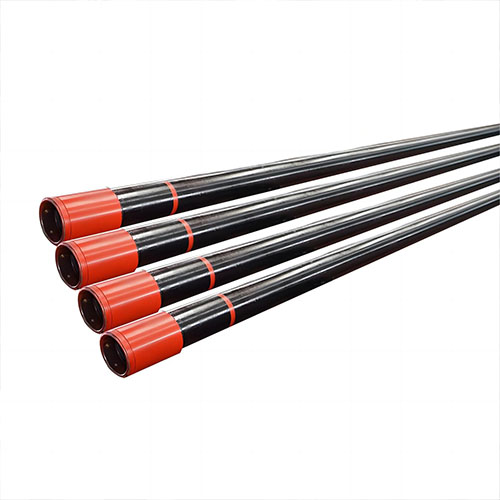
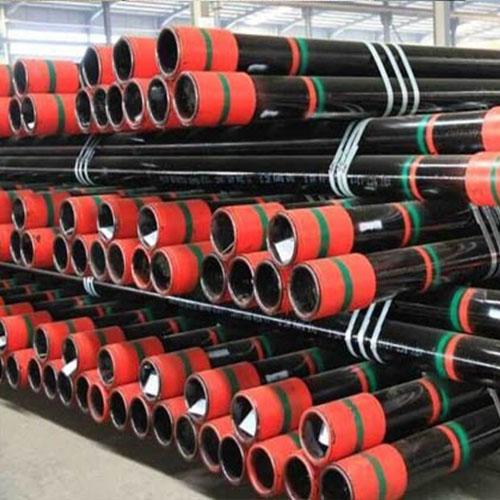
API 5ct N80-Q casing china best Factoryتكامل التقنيات الرقمية مثل الأتمتة، وأجهزة استشعار إنترنت الأشياء، وتحليلات البيانات الضخمة لقد أحدث تحولًا أكبر في سوق أغلفة النفط. تتيح هذه الابتكارات مراقبة ظروف الآبار في الوقت الفعلي، مما يعزز الكفاءة التشغيلية ويقلل وقت التوقف عن العمل. من خلال توفير رؤى قابلة للتنفيذ حول أداء الغلاف وسلامته، تساهم التقنيات الرقمية في إطالة عمر الغلاف وتحسين جداول الصيانة. وهذا بدوره يؤثر على قرارات الشراء تجاه منتجات التغليف التي توفر متانة وموثوقية معززة.
تلعب الاعتبارات البيئية والتنظيمية أيضًا دورًا مهمًا في تشكيل التطورات التكنولوجية في استخراج النفط وتأثيرها على الطلب على التغليف. وتستلزم اللوائح البيئية الأكثر صرامة اعتماد ممارسات استخراج أنظف وأكثر استدامة. ويشمل ذلك الحد من انبعاثات غاز الميثان، وتقليل استخدام المياه، وتخفيف التأثيرات البيئية. بينما يسعى المشغلون للامتثال لهذه اللوائح، هناك تركيز متزايد على تطوير حلول التغليف التي تدعم عمليات الحفر المسؤولة بيئيًا.
علاوة على ذلك، تمارس العوامل الجيوسياسية والاتجاهات الاقتصادية العالمية تأثيرًا كبيرًا على سوق أغلفة النفط. يمكن أن تؤدي التقلبات في أسعار النفط، والتوترات الجيوسياسية في المناطق المنتجة للنفط، والتحولات في سياسات الطاقة العالمية إلى تقلبات في الطلب على غلاف النفط. على سبيل المثال، قد يؤدي عدم الاستقرار الجيوسياسي إلى تعطيل سلاسل التوريد، مما يؤثر على توافر وتكلفة المواد الخام المستخدمة في إنتاج أغلفة النفط.
استجابة لهذه التحديات والفرص المتعددة الأوجه، يبتكر المصنعون والموردون في صناعة أغلفة النفط باستمرار لتلبية متطلبات السوق المتطورة . تركز جهود البحث والتطوير على إنشاء مواد غلاف أخف وأقوى وأكثر فعالية من حيث التكلفة يمكنها تحمل ظروف التشغيل القاسية وتحسين الأداء العام للبئر.
وبالنظر إلى المستقبل، من المرجح أن يستمر مسار التقدم التكنولوجي في استخراج النفط في تشكيل مستقبل سوق أغلفة النفط. إن الابتكارات مثل تكنولوجيا النانو، وعلم المعادن المتقدم، والطباعة ثلاثية الأبعاد تبشر بمواصلة تعزيز أداء الغلاف وتقليل تكاليف التصنيع. بينما تتنقل الصناعة عبر هذه التغييرات، سيكون التعاون بين أصحاب المصلحة وشركات النفط ومقدمي التكنولوجيا والهيئات التنظيمية والمستثمرين ضروريًا لتعزيز النمو المستدام والمرونة في قطاع غلاف النفط.
في الختام، فإن التقدم التكنولوجي في استخراج النفط مهم للغاية. لا يقتصر الأمر على توسيع حدود إنتاج الطاقة العالمية فحسب، بل يؤدي أيضًا إلى إحداث تحولات كبيرة في سوق أغلفة النفط. ومن خلال فهم هذه التطورات والتكيف معها، يمكن لأصحاب المصلحة الاستفادة من الفرص الناشئة والتغلب على تعقيدات مشهد الصناعة الديناميكي بشكل متزايد.
Geopolitical Events and Their Influence on Oil casing Market Volatility
Geopolitical Events and Their Influence on Oil Casing Market Volatility
In the intricate landscape of global commodities, few markets are as sensitive to geopolitical events as the oil casing industry. The Price fluctuations of oil casing, a critical component in oil drilling operations, are not merely dictated by supply and demand dynamics or economic indicators alone. Geopolitical events wield significant influence, often causing rapid and sometimes unpredictable shifts in market prices.
At its core, the oil casing market operates within the broader framework of the Oil and gas sector, which itself is deeply intertwined with geopolitical developments. Geopolitical events encompass a wide array of factors, ranging from diplomatic tensions between major oil-producing nations to conflicts that disrupt oil supply chains. Each of these events can send ripples through the oil casing market, impacting prices and market sentiment.
One of the primary drivers of market volatility is geopolitical tensions between major oil-producing countries. For instance, when diplomatic relations between key oil-exporting nations deteriorate or geopolitical conflicts escalate, uncertainty grips the market. Investors and industry stakeholders react swiftly to these developments, fearing potential disruptions in oil supply or shifts in production quotas. This uncertainty often translates into increased demand for oil casing as producers seek to secure their operations against potential supply interruptions, thereby driving up prices.
Moreover, geopolitical events can directly impact the cost of production and transportation of Oil casing materials. Sanctions imposed on countries involved in oil casing production can restrict access to essential resources or technologies, leading to supply constraints and higher production costs. Similarly, geopolitical instability in regions crucial for raw material extraction or manufacturing can disrupt supply chains, causing delays and cost escalations that reverberate throughout the market.
The political decisions of major oil-consuming nations also play a pivotal role in shaping market dynamics. Policy changes related to energy independence, environmental regulations, or trade agreements can significantly impact demand forecasts for oil casing. For instance, a shift towards renewable energy sources or increased regulatory scrutiny on fossil fuel extraction can dampen long-term demand expectations, influencing investor sentiment and market pricing.
Furthermore, geopolitical events often trigger speculative behaviors in commodity markets, including oil casing. Speculators closely monitor political developments and swiftly adjust their positions based on perceived risks and opportunities. This speculative activity can amplify price volatility, creating sudden price spikes or downturns that may not align with fundamental supply and demand metrics but reflect market sentiment and expectations driven by geopolitical factors.
The interconnectedness of geopolitical events and oil casing market volatility underscores the importance of geopolitical risk assessment for industry stakeholders. Companies involved in oil drilling operations must proactively monitor geopolitical developments, assess their potential impacts on supply chains and production costs, and develop risk mitigation strategies accordingly. This strategic foresight enables businesses to navigate uncertainties more effectively and maintain operational resilience amidst geopolitical turbulence.
In conclusion, while supply and demand fundamentals remain foundational to price determination in the oil casing market, geopolitical events exert a profound and often unpredictable influence on market volatility. From diplomatic tensions between oil-producing nations to regulatory changes in major consumer markets, geopolitical factors shape market sentiment, drive speculative activities, and impact production costs. Acknowledging and understanding these factors is essential for industry participants seeking to navigate the complexities of the oil casing market and optimize their operational strategies in an increasingly interconnected global economy.
Technological Advancements in Oil Extraction and Their Effect on Casing Demand
Technological Advancements in Oil Extraction and Their Effect on Casing Demand
Technological advancements in oil extraction have profoundly reshaped the dynamics of the oil casing market, influencing its supply, demand, and price fluctuations. As innovations continue to revolutionize the industry, understanding these factors becomes crucial for stakeholders and investors alike.
One of the primary drivers of change in oil extraction technology is the advent of hydraulic fracturing, commonly known as fracking. This method involves injecting high-pressure fluids into underground shale formations, releasing trapped oil and gas. Fracking has unlocked vast reservoirs previously considered uneconomical, leading to a surge in oil production in regions like the Permian Basin in the United States. The increased production necessitates more robust casing materials capable of withstanding higher pressures and corrosive environments, thereby boosting demand for advanced oil casing.
Moreover, directional drilling has enhanced the efficiency of oil extraction by allowing wells to be drilled vertically as well as horizontally through rock formations. This technique maximizes the contact area with oil-bearing zones, thereby increasing productivity per well. However, it also requires longer and more complex casings to maintain well integrity over extended horizontal sections. Consequently, there is a growing preference for Premium casing grades that offer superior strength and Corrosion resistance, albeit at higher costs.
API 5CT N80-Q CASING China Best FactoryThe integration of digital technologies such as automation, IoT sensors, and big data analytics has further transformed the oil casing market. These innovations enable real-time monitoring of well conditions, enhancing operational efficiency and reducing downtime. By providing actionable insights into casing performance and integrity, digital technologies contribute to prolonging casing lifespan and optimizing Maintenance schedules. This, in turn, influences purchasing decisions towards casing products that offer enhanced durability and reliability.
Environmental and regulatory considerations also play a significant role in shaping technological advancements in oil extraction and their impact on casing demand. Stricter environmental regulations necessitate the adoption of cleaner, more sustainable extraction practices. This includes reducing methane emissions, minimizing water usage, and mitigating ecological impacts. As operators strive to comply with these regulations, there is an increased focus on developing casing solutions that support environmentally responsible drilling operations.
Furthermore, geopolitical factors and global economic trends exert substantial influence on the oil casing market. Fluctuations in oil prices, geopolitical tensions in oil-producing regions, and shifts in global energy policies can lead to volatility in demand for oil casing. For instance, geopolitical instability may disrupt supply chains, affecting the availability and cost of raw materials used in casing production.
In response to these multifaceted challenges and opportunities, Manufacturers and Suppliers in the oil casing industry are continually innovating to meet evolving market demands. Research and development efforts are focused on creating lighter, stronger, and more cost-effective casing materials that can withstand harsh operating conditions and improve overall well performance.
Looking ahead, the trajectory of technological advancements in oil extraction will likely continue to shape the future of the oil casing market. Innovations such as nanotechnology, advanced metallurgy, and 3D printing hold promise for further enhancing casing performance and reducing manufacturing costs. As the industry navigates through these changes, collaboration between stakeholders—oil companies, technology providers, regulatory bodies, and investors—will be essential in fostering sustainable growth and resilience in the oil casing sector.
In conclusion, technological advancements in oil extraction are not only expanding the frontiers of global energy production but also driving significant transformations in the oil casing market. By understanding and adapting to these advancements, stakeholders can capitalize on emerging opportunities and navigate the complexities of an increasingly dynamic industry landscape.