تطور تكنولوجيا أغلفة الزيت: الأداء المتفوق الرائد
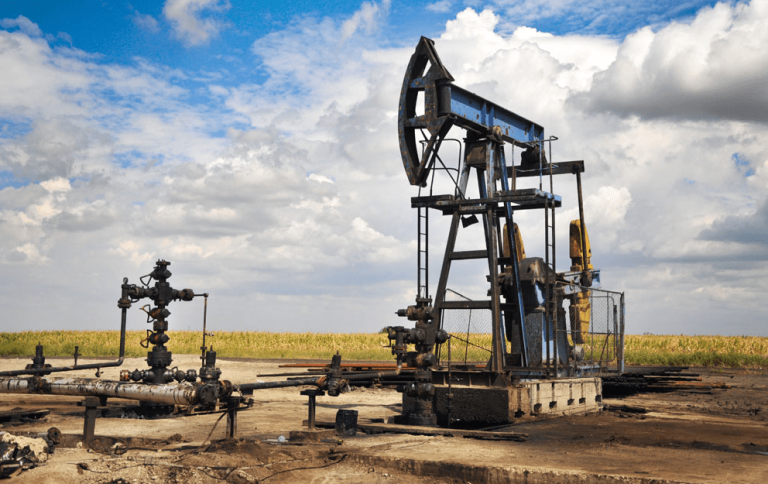
تقليديًا، يخدم غلاف النفط غرضًا أساسيًا: دعم وحماية حفرة البئر ضد الضغوط التي تمارسها التكوينات الجيولوجية والسوائل التي تحتوي عليها. كانت التكرارات المبكرة عبارة عن أنابيب فولاذية في المقام الأول، تم اختيارها لقوتها ومتانتها. ومع ذلك، مع توغل عمليات الحفر بشكل أعمق ومواجهة بيئات أكثر صعوبة، أصبحت القيود المفروضة على الغلاف التقليدي واضحة. أصبحت الحاجة إلى تعزيز مقاومة التآكل، والقوة الميكانيكية، والمرونة التشغيلية أمرًا ضروريًا.
https://youtube.com/watch?v=rWtvvt8L3h4
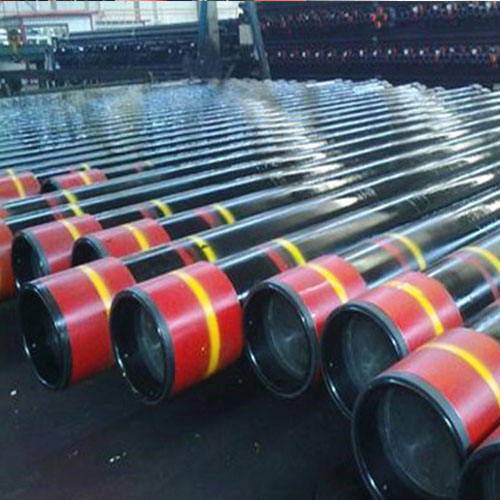
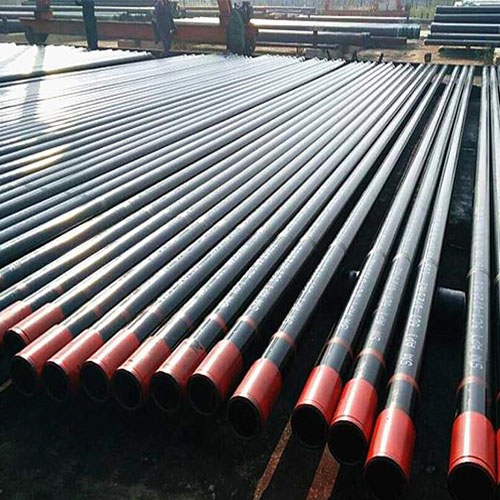
أنبوب قطره 16
من خلال تبني الابتكار والتعاون والالتزام الثابت بالتميز، يمكن للصناعة أن تستمر في ريادة آفاق جديدة في استخراج الطاقة، مما يضمن مستقبل مستدام ومزدهر للأجيال القادمة.
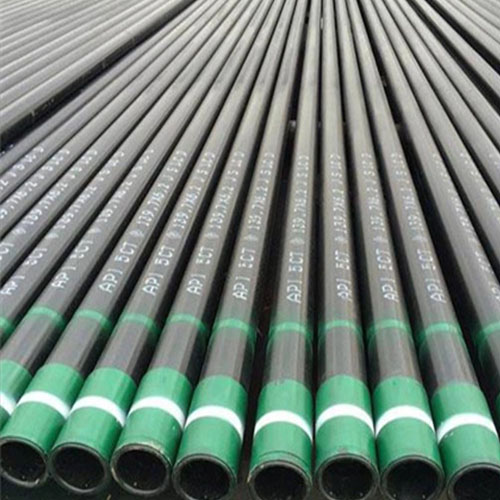
The evolution of Oil casing technology began with advancements in metallurgy. Engineers and scientists developed alloys capable of withstanding higher temperatures, pressures, and corrosive substances found deep within the earth. High-strength steel alloys such as API grades J55, K55, and N80 emerged, offering improved tensile strength and resistance to deformation under stress. These alloys paved the way for deeper drilling and more complex well designs, expanding the frontiers of energy exploration.
Beyond metallurgy, innovations in manufacturing techniques played a pivotal role in enhancing oil casing performance. precision engineering, including seamless Pipe production and rigorous quality control measures, ensured uniformity and reliability in casing materials. This not only improved operational safety but also optimized well integrity—a critical factor in preventing leaks and maintaining production efficiency over the lifecycle of a well.
As the demands on oil casing grew, so too did the need for customization and specialization. The industry responded with tailored solutions such as premium connections and casing accessories designed to meet specific operational challenges. Premium connections, characterized by their high torque resistance and gas-tight Seals, became standard in demanding drilling environments where reliability and performance were non-negotiable.
Moreover, the integration of digital technologies has revolutionized the monitoring and management of oil casing integrity. Real-time data analytics and sensor technologies now enable operators to assess casing condition, detect anomalies, and preemptively address potential issues before they escalate. This proactive approach not only enhances safety but also maximizes operational uptime and efficiency—a critical advantage in today’s competitive energy landscape.
Looking ahead, the evolution of oil casing continues unabated, driven by the imperatives of sustainability and efficiency. Research into advanced materials, including carbon fiber composites and nanotechnology, holds promise for further enhancing casing performance while reducing environmental impact. Innovations in autonomous drilling systems and robotics are also reshaping the future of well construction, offering unprecedented precision and efficiency in resource extraction.
In conclusion, the quest for superior performance in oil casing technology epitomizes the spirit of innovation that defines the energy industry. From humble steel pipes to advanced alloys and digital solutions, each evolution has been marked by a relentless commitment to pushing the boundaries of what is possible. As we embark on a new energy odyssey, fueled by technological advancements and a growing imperative for sustainability, the evolution of oil casing stands poised to play a pivotal role in shaping the future of global energy production.

By embracing innovation, collaboration, and a steadfast commitment to excellence, the industry can continue to pioneer new frontiers in energy extraction, ensuring a sustainable and prosperous future for generations to come.