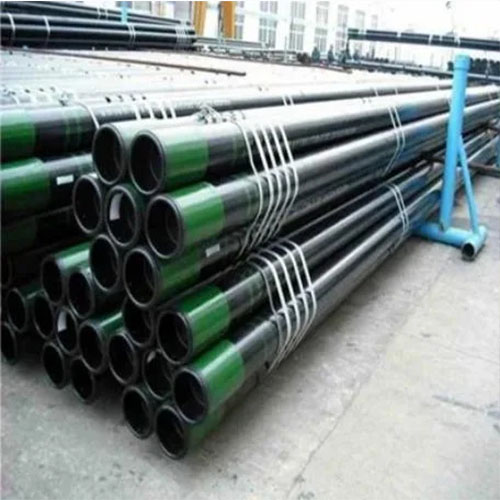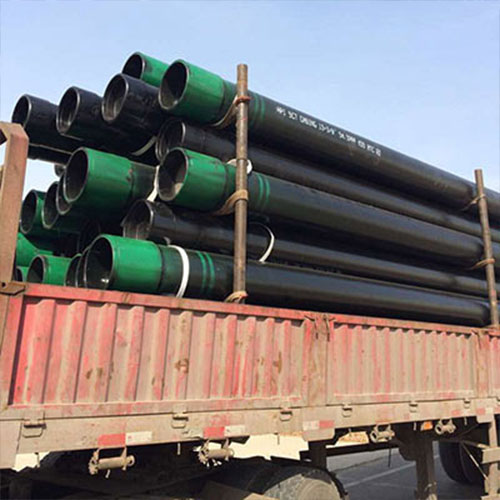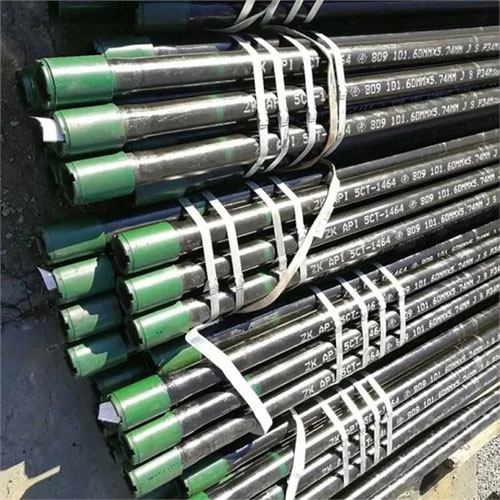
خصائص المواد وتأثيرها على أداء غلاف الزيت
في مجال التنقيب عن النفط، يعد اختيار مواد التغليف قرارًا حاسمًا يؤثر بشكل مباشر على الأداء التشغيلي وطول العمر. إن فهم الخصائص الحقيقية للمواد المختلفة يضمن قيام شركات النفط باتخاذ خيارات مستنيرة، وموازنة التكلفة، والمتانة، والعوامل البيئية.
أحد الاعتبارات الأساسية في اختيار مواد أغلفة النفط هو خواصها الميكانيكية. يُفضل الفولاذ، وخاصة السبائك مثل الفولاذ الكربوني، على نطاق واسع لقوته وصلابته. هذه الخصائص ضرورية لتحمل الضغوط والضغوط الهائلة التي تواجهها آبار النفط العميقة. بالإضافة إلى ذلك، فإن قدرة الفولاذ على مقاومة التآكل أمر بالغ الأهمية في البيئات التي يكون فيها التعرض للسوائل والغازات المسببة للتآكل أمرًا لا مفر منه. لا تعمل مقاومة التآكل على إطالة عمر الغلاف فحسب، بل تضمن أيضًا السلامة والسلامة التشغيلية.
الجانب الحاسم الآخر هو قدرة المادة على الحفاظ على السلامة الهيكلية في ظل درجات حرارة وضغوط مختلفة. تعمل آبار النفط في ظل ظروف قاسية، من درجات الحرارة المتجمدة في مناطق القطب الشمالي إلى بيئات الضغط العالي العميقة تحت سطح الأرض. يجب أن تظهر المواد ثباتًا حراريًا ومقاومة للتشوه في ظل هذه الظروف لمنع الأعطال التي قد تؤدي إلى فترات توقف مكلفة ومخاطر بيئية.
علاوة على ذلك، يؤثر اختيار مواد التغليف على الكفاءة العامة لعمليات استخراج النفط. يمكن للمواد خفيفة الوزن أن تقلل من وزن سلسلة الغلاف، مما يسهل التعامل والتركيب. وهذا مفيد بشكل خاص في عمليات الحفر البحرية حيث تشكل الخدمات اللوجستية والنقل تحديات كبيرة. على العكس من ذلك، في الحفر البري، يمكن اختيار المواد على أساس التوفر وفعالية التكلفة على مدار دورة حياة البئر بأكملها.
تشكل الاعتبارات البيئية بشكل متزايد خيارات المواد في أغلفة النفط. تدفع الممارسات المستدامة والمتطلبات التنظيمية الشركات إلى استكشاف البدائل التي تقلل من التأثير البيئي دون المساس بالأداء. يتضمن ذلك تقييم المواد ذات البصمة الكربونية المنخفضة أو تلك التي يمكن إعادة تدويرها في نهاية عمرها الافتراضي.
بخلاف الخصائص الفيزيائية، تؤثر عملية التصنيع وإجراءات مراقبة الجودة أيضًا على أداء المواد. تضمن الدقة في التصنيع الاتساق في خصائص المواد وأبعادها، وهو أمر بالغ الأهمية لتحقيق سلامة موثوقة لحفرة البئر والختم الهيدروليكي.
في السنوات الأخيرة، قدمت التطورات في علوم المواد خيارات جديدة مثل المواد المركبة والسبائك ذات الخصائص المخصصة. توفر هذه المواد مقاومة محسنة للتآكل، وتقليل الوزن، وتحسين مقاومة التعب مقارنة بالفولاذ التقليدي. في حين أن اعتمادها أبطأ بسبب تحديات التكلفة والتحقق، فإن الأبحاث الجارية تهدف إلى تحسين هذه المواد لتطبيقات أوسع في صناعة النفط والغاز.
في النهاية، يتطلب اختيار مواد تغليف النفط نهجًا متوازنًا يأخذ في الاعتبار المتطلبات الفنية والجدوى الاقتصادية. ، والمسؤولية البيئية. يحمل كل اختيار للمواد مقايضات، مما يستلزم إجراء تحليل شامل، وفي بعض الأحيان، مجموعة من المواد لتلبية ظروف البئر المحددة والأهداف التشغيلية.
في الختام، تؤكد الخصائص الحقيقية لمواد تغليف النفط على دورها المحوري في نجاح عمليات التنقيب عن النفط . بدءًا من القوة الميكانيكية ومقاومة التآكل وحتى الاستقرار الحراري والتأثير البيئي، تؤثر هذه الخصائص بشكل مباشر على أداء وطول عمر آبار النفط. ومع التقدم التكنولوجي وتطور معايير الصناعة، فإن الابتكار المستمر في علوم المواد سيدفع إلى تطوير حلول أكثر كفاءة واستدامة لقطاع الطاقة. وبالتالي، يظل اتخاذ القرارات المستنيرة في اختيار المواد أمرًا لا غنى عنه لتحسين كفاءة التنقيب عن النفط وضمان ممارسات مسؤولة لاستخراج الموارد على مستوى العالم.
تحليل فعالية التكلفة لمواد تغليف الزيت المختلفة
اعتبارات الاستدامة البيئية في اختيار مواد تغليف الزيت
https://youtube.com/watch?v=1hWUnHt3JmE
علاوة على ذلك، فإن التأثير البيئي لمواد التغليف يمتد إلى ما هو أبعد من عمرها التشغيلي. تعتبر اعتبارات مثل استهلاك الطاقة أثناء التصنيع، وانبعاثات النقل، والبصمة الكربونية الإجمالية لعملية الإنتاج حاسمة في تقييم استدامة خيارات المواد المختلفة. توفر تقييمات دورة الحياة (LCAs) رؤى قيمة حول هذه العوامل، مما يساعد أصحاب المصلحة على اتخاذ قرارات مستنيرة توازن بين متطلبات الأداء والاعتبارات البيئية.
في الختام، في حين أن اختيار مواد تغليف النفط أعطى الأولوية تقليديًا للأداء وفعالية التكلفة، إلا أن الاستدامة البيئية أصبحت بشكل متزايد عاملاً محوريًا في عمليات صنع القرار. يعكس التحول نحو المواد التي توفر متانة معززة، وبصمة بيئية أقل، وإدارة فعالة لنهاية العمر التزامًا أوسع داخل صناعة النفط والغاز لتقليل التأثير البيئي وتعزيز الممارسات المستدامة. من خلال دمج الاعتبارات البيئية في معايير اختيار المواد، يمكن لأصحاب المصلحة المساهمة في مستقبل أكثر استدامة للتنقيب عن النفط وإنتاجه، وضمان الاستخدام المسؤول للموارد والإشراف البيئي للأجيال القادمة.
Environmental Sustainability Considerations in Oil casing material Selection
In the realm of oil exploration and production, the choice of casing materials plays a crucial role not only in operational efficiency and safety but also in environmental sustainability. Oil casing materials must withstand extreme pressures, corrosive environments, and temperature fluctuations deep underground while maintaining structural integrity. This dual requirement of durability and sustainability drives the selection process towards materials that not only perform well but also minimize environmental impact throughout their lifecycle.
One of the primary considerations in selecting oil casing materials is their environmental footprint. Traditional materials like carbon steel, while robust and readily available, pose significant environmental challenges. The extraction and processing of raw materials, such as iron ore and coal for steel production, contribute to greenhouse gas emissions and habitat destruction. Moreover, the corrosion of carbon steel casing over time can lead to environmental contamination if not properly maintained.
In response to these challenges, the industry has increasingly turned towards alternative materials that offer improved environmental performance. High-alloy steels, for instance, are more resistant to corrosion and thus have a longer lifespan, reducing the frequency of casing replacements and associated environmental impacts. Additionally, advancements in metallurgy have led to the development of corrosion-resistant alloys (CRAs) that exhibit superior durability in harsh environments, thereby further extending casing lifetimes and reducing the need for frequent material replacements.
Furthermore, composite materials have emerged as a promising alternative due to their lightWeight nature and Corrosion resistance. Composites typically consist of reinforced fibers embedded in a resin matrix, offering comparable strength to traditional materials with reduced weight and improved resistance to corrosion and degradation. This not only enhances operational efficiency by reducing transport costs and installation time but also minimizes environmental impacts associated with material extraction and processing.
Beyond material durability, another critical aspect of environmental sustainability in oil casing selection is the management of end-of-life scenarios. Proper disposal or recycling of casing materials at the end of their service life is essential to mitigate environmental impacts. Materials that are easily recyclable or repurposable, such as certain grades of steel and composite materials, help minimize waste and conserve resources. Additionally, innovations in recycling technologies continue to improve the efficiency and cost-effectiveness of reclaiming valuable materials from decommissioned casing, further promoting environmental stewardship within the industry.

Moreover, the environmental impact of casing materials extends beyond their operational lifespan. Considerations such as energy consumption during manufacturing, transportation emissions, and the overall carbon footprint of the production process are critical in evaluating the sustainability of different material choices. Life cycle assessments (LCAs) provide valuable insights into these factors, helping stakeholders make informed decisions that balance performance requirements with environmental considerations.
In conclusion, while the selection of oil casing materials traditionally prioritized performance and cost-efficiency, environmental sustainability has increasingly become a pivotal factor in decision-making processes. The shift towards materials that offer enhanced durability, reduced environmental footprint, and efficient end-of-life management reflects a broader commitment within the Oil and Gas industry to minimize environmental impact and promote sustainable practices. By integrating environmental considerations into material selection criteria, stakeholders can contribute to a more sustainable future for oil exploration and production, ensuring responsible resource utilization and environmental stewardship for generations to come.