أهمية غلاف النفط في عمليات الحفر البحرية
علاوة على ذلك، غالبًا ما يتطلب الحفر البحري سلاسل غلاف يمكنها تحمل بيئات الضغط العالي التي تتم مواجهتها على أعماق أكبر. يتم إيلاء اهتمام خاص لقوة الشد للغلاف، ومقاومته للانهيار، ومقاومة الانفجار، مما يضمن قدرته على تحمل الضغوط الهائلة التي تمارسها خزانات الهيدروكربون على بعد آلاف الأمتار تحت قاع البحر. يتم استخدام تقنيات النمذجة والاختبار الحسابية المتقدمة للتحقق من أداء تصميمات الغلاف في ظل هذه الظروف القاسية.
فيما يتعلق بالتركيب والصيانة، يجب أن يسهل غلاف النفط البحري عمليات الحفر الفعالة مع تقليل التأثير البيئي. يجب أن تكون وصلات الغلاف محكمة الغلق بعناية لمنع التسربات وضمان سلامتها طوال عمرها التشغيلي. تعد عمليات الفحص والصيانة المنتظمة أمرًا ضروريًا لتحديد المشكلات المحتملة وتخفيفها مثل التآكل أو التآكل أو التلف الميكانيكي الذي قد يؤثر على أداء الغلاف.
علاوة على ذلك، غالبًا ما تنطوي عمليات الحفر البحرية على تحديات لوجستية معقدة، بما في ذلك نقل مواد الغلاف إلى مواقع بحرية نائية و التنسيق مع سفن الدعم والمعدات. تم تحسين حجم ووزن أقسام الغلاف للنقل والمناولة، مع الأخذ في الاعتبار القيود التي تفرضها المنصات البحرية وأجهزة الحفر.
تعتبر السلامة أمرًا بالغ الأهمية في الحفر البحري، ويلعب غلاف النفط دورًا محوريًا في تخفيف المخاطر المرتبطة بالانفجارات، وركلات الغاز، وغيرها من المخاطر التشغيلية. تساهم تصميمات ومواد التغليف القوية في الحفاظ على التحكم في الآبار ومنع الكوارث البيئية التي قد تنجم عن إطلاق السوائل غير المنضبط. احتياطيات الهيدروكربون من تحت قاع البحر. بدءًا من تحمل الضغوط الشديدة والبيئات المسببة للتآكل وحتى ضمان السلامة الهيكلية وحماية البيئة، يلبي غلاف النفط متطلبات متعددة الأوجه ضرورية لعمليات الحفر البحرية. يواصل المهندسون وخبراء الصناعة ابتكار وتحسين تصميمات ومواد التغليف لمواجهة التحديات المتطورة وتعزيز كفاءة واستدامة التنقيب عن النفط والغاز البحري.
في النهاية، فإن الاستثمار في مواد التغليف عالية الجودة واعتبارات التصميم الدقيقة يؤتي ثماره في شكل من أشكال العمليات الأكثر أمانًا، وتقليل التأثير البيئي، وزيادة الكفاءة التشغيلية في مساعي الحفر البحرية حول العالم.
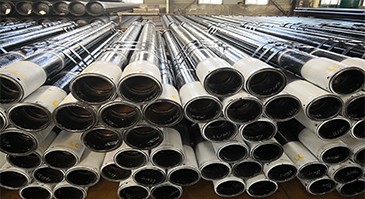
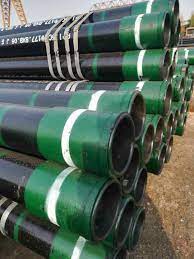
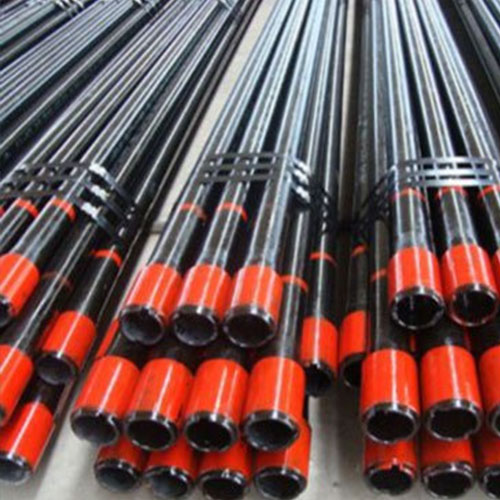
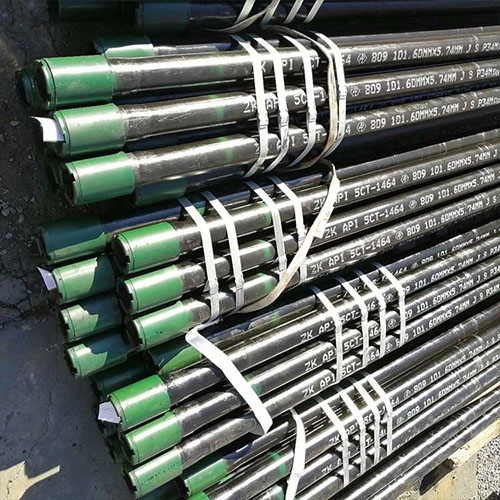
In offshore environments, Oil casing serves multiple critical functions. Firstly, it provides structural integrity to the wellbore, supporting the walls against collapse due to high pressure differentials and geological formations. The casing also prevents the well from caving in, maintaining stability during drilling and production phases. Moreover, it isolates different geological formations to prevent fluid migration and contamination of freshwater aquifers or other oil-bearing zones.
The materials used for offshore oil casing must withstand harsh marine conditions, including corrosive seawater, variable temperatures, and high pressures. Typically, corrosion-resistant alloys such as chromium, nickel, and molybdenum are employed to enhance durability and longevity in marine environments. Additionally, the casing design must accommodate the bending and stress forces encountered during installation and operation in deep-sea conditions.
https://youtube.com/watch?v=rWtvvt8L3h4
Furthermore, offshore drilling often requires Casing strings that can withstand high-pressure environments encountered at greater depths. special attention is given to the casing’s tensile strength, collapse resistance, and burst resistance, ensuring it can withstand the immense pressures exerted by hydrocarbon reservoirs thousands of meters below the seabed. Advanced computational modeling and testing techniques are employed to verify the performance of casing designs under these extreme conditions.
In terms of installation and Maintenance, offshore oil casing must facilitate efficient drilling operations while minimizing environmental impact. casing joints must be carefully Sealed to prevent leaks and ensure well integrity throughout its operational life. Regular inspections and maintenance are crucial to identify and mitigate potential issues such as corrosion, wear, or mechanical damage that could compromise the casing’s performance.
Moreover, offshore drilling operations often involve complex logistical challenges, including transporting casing materials to remote offshore locations and coordinating with support vessels and equipment. The size and Weight of casing sections are optimized for transport and handling, considering limitations imposed by offshore platforms and drilling rigs.
Safety is paramount in offshore drilling, and oil casing plays a pivotal role in mitigating risks associated with blowouts, gas kicks, and other operational hazards. Robust casing designs and materials contribute to maintaining well control and preventing environmental disasters that could result from uncontrolled fluid releases.
Pipes,seamlessIn conclusion, the particular needs of oil casing in offshore drilling operations underscore its critical role in the success and safety of extracting hydrocarbon reserves from beneath the seabed. From withstanding extreme pressures and corrosive environments to ensuring structural integrity and environmental protection, oil casing fulfills multifaceted requirements essential for offshore drilling operations. Engineers and industry experts continue to innovate and refine casing designs and materials to meet evolving challenges and enhance the efficiency and sustainability of offshore Oil and Gas exploration.
Ultimately, the investment in high-quality casing materials and meticulous design considerations pays dividends in the form of safer operations, reduced environmental impact, and increased operational efficiency in offshore drilling endeavors around the globe.