ديناميكيات العرض والطلب
تكاليف الإنتاج والكفاءة
https://youtube.com/watch?v=rdX9NEKCzTg
الأحداث الجيوسياسية ومضاربات السوق
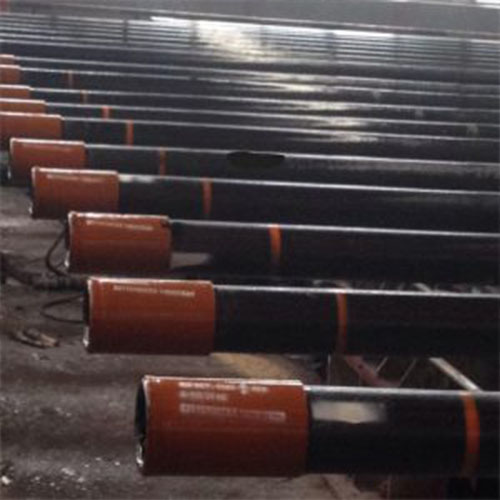
إن سوق أغلفة النفط صناعة معقدة وديناميكية تتأثر بمجموعة متنوعة من العوامل. أحد العوامل الرئيسية لتغيرات الأسعار في سوق أغلفة النفط هو مستويات المخزون. تشير مستويات المخزون إلى كمية أغلفة النفط المتوفرة حاليًا للبيع في السوق. عندما تكون مستويات المخزون مرتفعة، تميل الأسعار إلى الانخفاض مع زيادة العرض عن الطلب. على العكس من ذلك، عندما تكون مستويات المخزون منخفضة، تميل الأسعار إلى الارتفاع حيث يفوق الطلب العرض.
هناك العديد من العوامل التي يمكن أن تؤثر على مستويات المخزون في سوق أغلفة النفط. تلعب الأحداث الجيوسياسية دورًا مهمًا في تحديد المعروض من أغلفة النفط المتاحة للبيع. على سبيل المثال، يمكن لعدم الاستقرار السياسي في المناطق المنتجة للنفط أن يعطل الإنتاج ويؤدي إلى انخفاض مستويات المخزون. يمكن أن يتسبب هذا في ارتفاع الأسعار حيث يتنافس المشترون على إمدادات محدودة من أغلفة النفط.
تعد المضاربة في السوق عاملاً آخر يمكن أن يؤثر على مستويات المخزون في سوق أغلفة النفط. يقوم المضاربون بشراء وبيع غلاف النفط بناءً على توقعاتهم لتحركات الأسعار المستقبلية. وإذا اعتقد المضاربون أن الأسعار سترتفع في المستقبل، فقد يشترون كميات كبيرة من أغلفة النفط، مما يؤدي إلى انخفاض مستويات المخزون. على العكس من ذلك، إذا اعتقد المضاربون أن الأسعار ستنخفض، فقد يبيعون ممتلكاتهم، مما يؤدي إلى زيادة مستويات المخزون.
بالإضافة إلى الأحداث الجيوسياسية والمضاربات في السوق، يمكن أن تؤثر التغيرات في الطلب على غلاف النفط أيضًا على مستويات المخزون. يرتبط الطلب على أغلفة النفط ارتباطًا وثيقًا بصحة صناعة النفط والغاز. عندما تكون أسعار النفط مرتفعة، يكون لدى شركات النفط المزيد من الأموال للاستثمار في التنقيب والإنتاج، مما يؤدي إلى زيادة الطلب على غلاف النفط. على العكس من ذلك، عندما تكون أسعار النفط منخفضة، قد تقوم شركات النفط بتخفيض الإنتاج، مما يؤدي إلى انخفاض الطلب على أغلفة النفط.
بشكل عام، تعد مستويات المخزون عاملاً رئيسياً في تحديد سعر أغلفة النفط في السوق. عندما تكون مستويات المخزون مرتفعة، تميل الأسعار إلى الانخفاض، بينما تميل مستويات المخزون المنخفضة إلى زيادة الأسعار. تلعب الأحداث الجيوسياسية والمضاربات في السوق والتغيرات في الطلب دورًا في التأثير على مستويات المخزون في سوق أغلفة النفط.
في الختام، يعد فهم العوامل التي تؤثر على مستويات المخزون في سوق أغلفة النفط أمرًا ضروريًا للمستثمرين والمتخصصين في الصناعة. ومن خلال المراقبة الدقيقة للأحداث الجيوسياسية، والمضاربات في السوق، والتغيرات في الطلب، يمكن لأصحاب المصلحة التنبؤ بشكل أفضل بتحركات الأسعار واتخاذ قرارات مستنيرة بشأن شراء وبيع غلاف النفط. في نهاية المطاف، تعد مستويات المخزون عنصرًا حاسمًا في سوق أغلفة النفط ولا ينبغي إغفالها
The Oil casing market is a crucial component of the Oil and gas industry, as it plays a significant role in the extraction and transportation of oil. The Price of oil casing is influenced by a variety of factors, including inventory levels. Inventory levels refer to the amount of oil casing available for sale at any given time. When inventory levels are high, prices tend to decrease, while low inventory levels can lead to price increases.
One of the key factors that influence inventory levels is production costs. Production costs include expenses such as labor, materials, and equipment needed to manufacture oil casing. When production costs are high, Manufacturers may produce less casing, leading to lower inventory levels. Conversely, when production costs are low, manufacturers may increase production, resulting in higher inventory levels.

Efficiency is another important factor that can impact inventory levels. Efficient manufacturing processes can help Companies produce oil casing more quickly and at a lower cost. This can lead to higher inventory levels, as companies are able to produce more casing in a shorter amount of time. On the other hand, inefficiencies in the production process can result in lower inventory levels, as companies may struggle to keep up with demand.
Market demand also plays a role in inventory levels and, subsequently, price changes in the oil casing market. When demand for oil casing is high, manufacturers may struggle to keep up with orders, leading to lower inventory levels. This can result in price increases as companies seek to c APItalize on the high demand. Conversely, when demand is low, manufacturers may have excess inventory, leading to price decreases as companies try to sell off excess stock.
In addition to production costs, efficiency, and market demand, external factors can also impact inventory levels and prices in the oil casing market. For example, geopolitical events, such as conflicts in oil-producing regions, can disrupt supply chains and lead to fluctuations in inventory levels. Natural disasters, such as hurricanes or earthquakes, can also impact production and inventory levels, causing prices to rise.
Overall, inventory levels are a key factor in determining the price of oil casing in the market. Production costs, efficiency, market demand, and external factors all play a role in influencing inventory levels and, subsequently, price changes. Companies in the oil casing industry must carefully monitor these factors and adjust their production and pricing strategies accordingly to remain competitive in the market. By understanding the factors that influence inventory levels, companies can better navigate the complexities of the oil casing market and make informed decisions to optimize their operations.
Geopolitical Events and Market speculation
The oil casing market is a complex and dynamic industry that is influenced by a variety of factors. One of the key drivers of price changes in the oil casing market is inventory levels. Inventory levels refer to the amount of oil casing that is currently available for sale in the market. When inventory levels are high, prices tend to decrease as supply exceeds demand. Conversely, when inventory levels are low, prices tend to increase as demand outstrips supply.
There are several factors that can impact inventory levels in the oil casing market. Geopolitical events play a significant role in determining the supply of oil casing available for sale. For example, political instability in oil-producing regions can disrupt production and lead to a decrease in inventory levels. This can cause prices to rise as buyers compete for a limited supply of oil casing.
Market speculation is another factor that can influence inventory levels in the oil casing market. Speculators buy and sell oil casing based on their expectations of future price movements. If speculators believe that prices will increase in the future, they may buy up large quantities of oil casing, leading to a decrease in inventory levels. Conversely, if speculators believe that prices will decrease, they may sell off their holdings, leading to an increase in inventory levels.
In addition to geopolitical events and market speculation, changes in demand for oil casing can also impact inventory levels. Demand for oil casing is closely tied to the health of the oil and gas industry. When oil prices are high, oil companies have more money to invest in exploration and production, leading to an increase in demand for oil casing. Conversely, when oil prices are low, oil companies may cut back on production, leading to a decrease in demand for oil casing.
Overall, inventory levels are a key factor in determining the price of oil casing in the market. When inventory levels are high, prices tend to decrease, while low inventory levels tend to lead to price increases. Geopolitical events, market speculation, and changes in demand all play a role in influencing inventory levels in the oil casing market.
In conclusion, understanding the factors that influence inventory levels in the oil casing market is essential for investors and industry professionals. By keeping a close eye on geopolitical events, market speculation, and changes in demand, stakeholders can better predict price movements and make informed decisions about buying and selling oil casing. Ultimately, inventory levels are a crucial component of the oil casing market that should not be overlooked.