أهمية الأنابيب في عمليات رأس البئر
فهم الغلاف ودوره في أنظمة رؤوس البئر
في مجال التنقيب عن النفط والغاز، تلعب الأنابيب والغلاف الخاص برأس البئر أدوارًا حاسمة في ضمان سلامة البئر وسلامته. تعتبر هذه المكونات ضرورية للحفاظ على التحكم في البئر، وتوفير الدعم الهيكلي، وحماية البيئة المحيطة. يعد فهم وظائف وخصائص الأنابيب والغلاف أمرًا حيويًا للمحترفين في الصناعة.
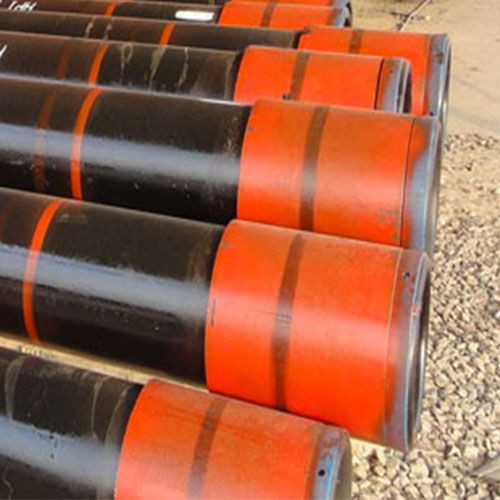
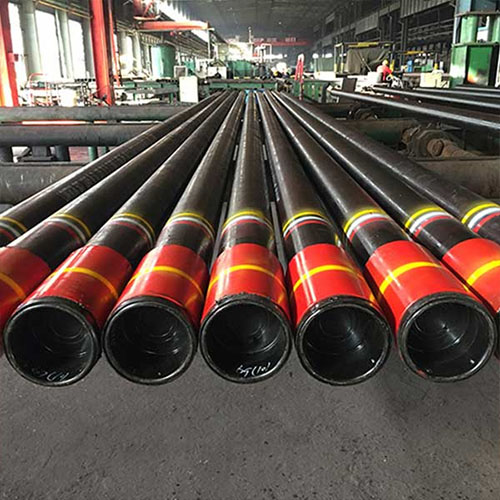
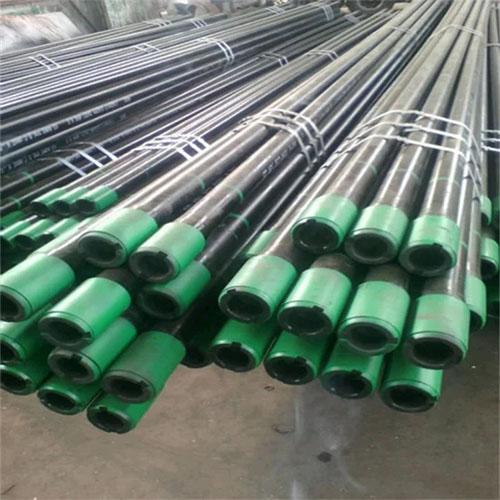
الأنابيب والغلاف هما نوعان من الأنابيب المستخدمة في بناء الآبار، حيث يخدم كل منهما أغراضًا مختلفة. الغلاف عبارة عن أنبوب ذو قطر أكبر يبطن حفرة البئر، ويوفر الدعم الهيكلي ويمنع انهيار الحفرة. كما أنه يعزل التكوينات المختلفة لمنع هجرة السوائل وعدم استقرار حفرة البئر. عادةً ما يكون الغلاف مصنوعًا من الفولاذ ويأتي بأحجام ودرجات مختلفة، اعتمادًا على عمق البئر وضغطه. نقل السوائل من الخزان إلى السطح. تعتبر الأنابيب ضرورية لعمليات الإنتاج، حيث تسمح باستخراج النفط والغاز من البئر. كما هو الحال مع الغلاف، فإن الأنابيب مصنوعة أيضًا من الفولاذ ويجب أن تكون قادرة على تحمل الضغوط العالية والبيئات المسببة للتآكل.
يعتمد اختيار الغلاف والأنابيب على عوامل مثل عمق البئر، وخصائص التكوين، وظروف الخزان، والمتطلبات التنظيمية. يجب أن يأخذ تصميم الغلاف في الاعتبار الأحمال الميكانيكية وفرق الضغط والعوامل البيئية لضمان سلامة البئر واستقراره. وبالمثل، يعتمد اختيار الأنابيب على معدلات الإنتاج المتوقعة، وخصائص السوائل، وظروف حفرة البئر لتحسين كفاءة الإنتاج.
في الختام، تعتبر الأنابيب والغلاف مكونات لا غنى عنها في أنظمة رؤوس الآبار التي تخدم الوظائف الحيوية في عمليات التنقيب عن النفط والغاز. يعد فهم الأدوار والخصائص وعمليات تركيب الغلاف والأنابيب أمرًا ضروريًا لضمان سلامة البئر وكفاءة الإنتاج وحماية البيئة. من خلال استخدام ممارسات التصميم والتركيب والصيانة المناسبة، يمكن للمتخصصين في الصناعة تحسين أداء وسلامة أنظمة رؤوس الآبار.
https://youtube.com/watch?v=UOw28XpR6AcThe installation of casing and Tubing involves a series of processes, including running, Cementing, and perforating. Running casing involves lowering the Pipe into the wellbore and securing it in place to provide structural support. Cementing is then performed to Seal the casing in place and prevent fluid migration between formations. Perforating is the process of creating openings in the casing and cement to allow for the flow of fluids into the wellbore.
transitional phrases, such as “in addition,” “furthermore,” and “moreover,” are used to connect ideas and enhance the flow of the article. These phrases guide the reader through the complexities of tubing and casing in Wellhead systems, ensuring a coherent and logical progression of information.
Furthermore, the integrity of casing and tubing is critical for well control and environmental protection. Any failure in these components could result in a blowout, leakage, or contamination of the surrounding area. Regular inspections, Maintenance, and testing are essential to ensure the structural integrity of casing and tubing throughout the well’s lifespan.

In conclusion, tubing and casing are indispensable components of wellhead systems that serve vital functions in Oil and gas drilling operations. Understanding the roles, characteristics, and installation processes of casing and tubing is essential for ensuring well integrity, production efficiency, and environmental protection. By employing proper design, installation, and maintenance practices, professionals in the industry can optimize the performance and safety of wellhead systems.