**material composition**
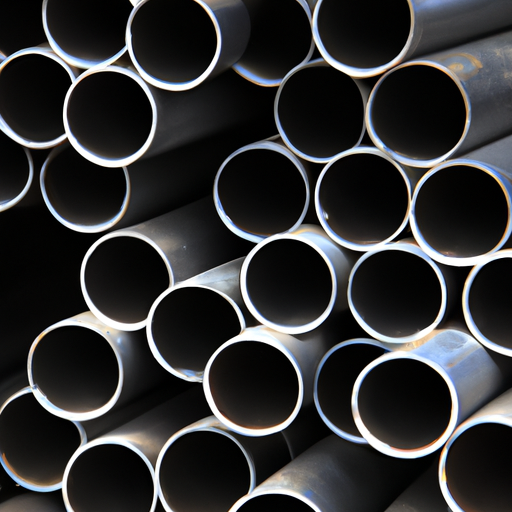
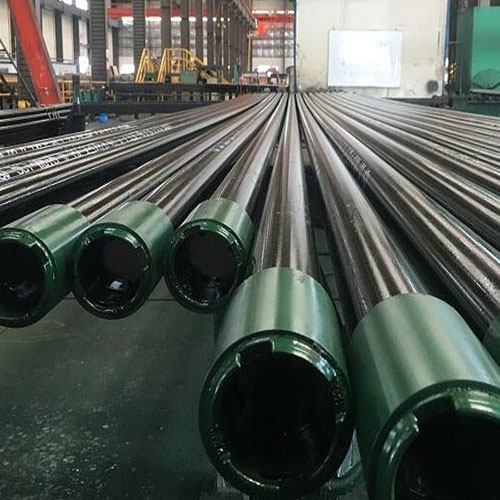
The selection of Oil casing materials is a critical aspect of the Oil and gas industry, as it directly impacts the safety, efficiency, and longevity of drilling operations. Understanding the material composition of these casings is essential for engineers and decision-Makers involved in the extraction process. Oil casings are primarily designed to provide structural integrity to the wellbore, prevent the migration of fluids between different geological formations, and protect the well from external pressures. Consequently, the materials used in their construction must possess specific characteristics that align with these functional requirements.
https://youtube.com/watch?v=RE2SoEdCgoQ
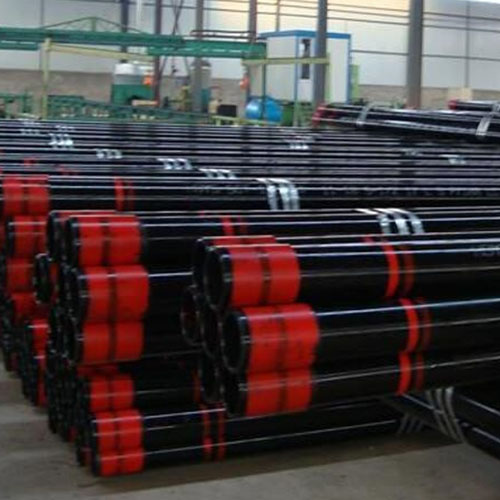
sch 40 Pipe thickness chartTypically, oil casings are made from various grades of steel, which is favored for its strength, durability, and resistance to corrosion. The most commonly used steel grades include API (American petroleum Institute) grades such as J55, K55, N80, and P110. Each of these grades has distinct mechanical properties and chemical compositions that make them suitable for different applications. For instance, J55 is often used in shallow wells due to its lower yield strength, while P110 is preferred for high-pressure environments because of its superior strength and resistance to deformation. The choice of steel grade is influenced by factors such as the depth of the well, the type of fluids being extracted, and the environmental conditions encountered during drilling.
In addition to steel, other materials are sometimes employed in the construction of oil casings, particularly in specialized applications. For example, fiberglass-reinforced plastic (FRP) casings are increasingly being utilized in corrosive environments where traditional steel casings may fail. FRP offers excellent resistance to chemical attack and is significantly lighter than steel, which can reduce transportation and installation costs. However, while FRP casings provide certain advantages, they may not possess the same level of mechanical strength as steel, which limits their use in high-pressure applications.
Moreover, the material composition of oil casings must also consider the potential for corrosion, which is a significant concern in the oil and gas industry. Corrosion can lead to catastrophic failures, resulting in environmental hazards and financial losses. To mitigate this risk, various protective coatings and treatments are applied to steel casings. These coatings can include epoxy, zinc, or other corrosion-resistant materials that enhance the longevity of the casing in hostile environments. Additionally, the use of corrosion inhibitors in the drilling fluid can further protect the casing from degradation.
Another important aspect of material composition is the consideration of temperature and pressure conditions that the casing will encounter during its service life. High temperatures can affect the mechanical properties of materials, leading to reduced strength and increased susceptibility to failure. Therefore, selecting materials that can withstand the thermal stresses associated with deep well drilling is crucial. In some cases, advanced alloys or composite materials may be employed to enhance performance under extreme conditions.
In conclusion, the choice of oil casing materials is a multifaceted decision that hinges on a thorough understanding of material composition and its implications for performance. Steel remains the predominant material due to its favorable mechanical properties, but alternatives like fiberglass-reinforced plastic are gaining traction in specific applications. The ongoing evaluation of Corrosion resistance, temperature, and pressure conditions further complicates the selection process, necessitating a comprehensive approach to ensure the safety and efficiency of oil and gas operations. As the industry continues to evolve, advancements in material science will likely lead to the development of new casing materials that offer enhanced performance and reliability, ultimately contributing to more sustainable and efficient extraction practices.