Types of Pipe Flanges
When embarking on a piping project, selecting the appropriate pipe flange is crucial for ensuring the integrity and efficiency of the system. Pipe flanges serve as critical components that facilitate the connection of pipes, valves, and other equipment, allowing for easy assembly and disassembly. Understanding the various types of pipe flanges available is essential for making an informed decision that aligns with the specific requirements of your project.
steel piping MakersOne of the most common types of pipe flanges is the weld neck flange, which is designed to be welded to the pipe. This type of flange provides a strong and reliable connection, making it ideal for high-pressure applications. The gradual transition from the flange to the pipe helps to reduce stress concentrations, thereby enhancing the overall strength of the joint. Additionally, weld neck flanges are often used in applications where the piping system may experience thermal expansion or contraction, as they can accommodate these changes without compromising the integrity of the connection.
Another widely used flange type is the slip-on flange, which is designed to slide over the pipe before being welded in place. This type of flange is easier to align and install compared to weld neck flanges, making it a popular choice for many projects. However, it is important to note that slip-on flanges may not be suitable for high-pressure applications, as they can be more susceptible to leakage if not properly welded. Despite this limitation, their ease of installation and lower cost make them an attractive option for various piping systems.
In contrast, blind flanges serve a different purpose altogether. These flanges are solid and do not have a central opening, making them ideal for Sealing the end of a pipe or a valve. Blind flanges are commonly used in situations where future expansion of the piping system is anticipated, as they allow for easy access to the system when needed. Furthermore, they are available in various materials and Pressure ratings, ensuring that they can meet the demands of different applications.
Another type worth mentioning is the Threaded flange, which features internal threads that allow it to be screwed onto a pipe. This type of flange is particularly useful in low-pressure applications and is often employed in situations where welding is not feasible. Threaded flanges provide a convenient solution for connecting pipes without the need for specialized welding equipment, making them a practical choice for many projects.
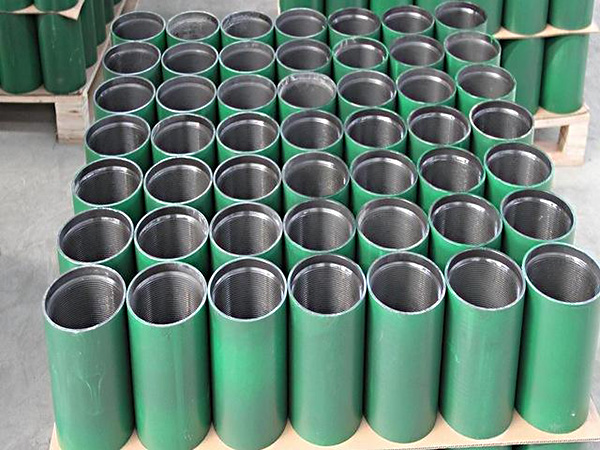
Moreover, the lap joint flange is designed to be used with a stub end, allowing for easy alignment and disassembly. This type of flange is particularly advantageous in applications where frequent Maintenance is required, as it enables quick access to the piping system without the need for cutting or welding. Lap joint flanges are often used in conjunction with other flange types, providing versatility in various piping configurations.
In conclusion, selecting the right pipe flange for your project involves understanding the specific requirements and constraints of your piping system. Each type of flange offers distinct advantages and limitations, making it essential to consider factors such as pressure ratings, ease of installation, and the potential for future modifications. By carefully evaluating these aspects, you can ensure that you choose the most suitable flange type, ultimately contributing to the success and longevity of your piping project.
https://youtube.com/watch?v=Z0hn2ksAgYM