Stahlrohre haben die Industrielandschaft auf der ganzen Welt entscheidend geprägt. Unter den verschiedenen Arten von Stahlrohren nehmen nahtlose Stahlrohre aufgrund ihrer Festigkeit, Vielseitigkeit und Leistungseffizienz eine einzigartige Stellung ein. Die Entwicklung nahtloser Stahlrohre ist nicht nur eine Geschichte des technologischen Fortschritts, sondern spiegelt auch ihre entscheidende Rolle bei der Förderung des Wachstums zahlreicher Branchen wider.
Die Reise nahtloser Stahlrohre begann im frühen 20. Jahrhundert, als in Industrien wie der Öl- und gasindustrie der Bedarf an zuverlässigeren und robusteren Rohren deutlich wurde, die hohen Drücken und Temperaturen standhalten konnten. Bei der traditionellen Rohrherstellungsmethode handelte es sich um Schweißen, was zu Schwachstellen an den Nähten führen und unter hoher Belastung möglicherweise zu Undichtigkeiten oder Ausfällen führen konnte. Die Einführung nahtloser Stahlrohre, die aus einem einzigen Stück Stahl ohne Nähte hergestellt werden, stellte einen bedeutenden technologischen Durchbruch dar.
Der Herstellungsprozess nahtloser Stahlrohre umfasst mehrere Schritte. Es beginnt mit dem Erhitzen eines massiven Barrens, eines Stahlblocks, bis er formbar ist. Der erhitzte Barren wird dann mit einem Dorn durch die Mitte gestochen, um eine hohle Schale zu erzeugen. Diese Schale wird verlängert und verfeinert, indem sie durch eine Reihe von Walzen geführt wird, die ihren Durchmesser verringern und ihre Länge vergrößern. Das Ergebnis ist ein Rohr mit rundum gleichmäßiger Festigkeit, frei von jeglichen Verbindungen oder Schweißnähten.
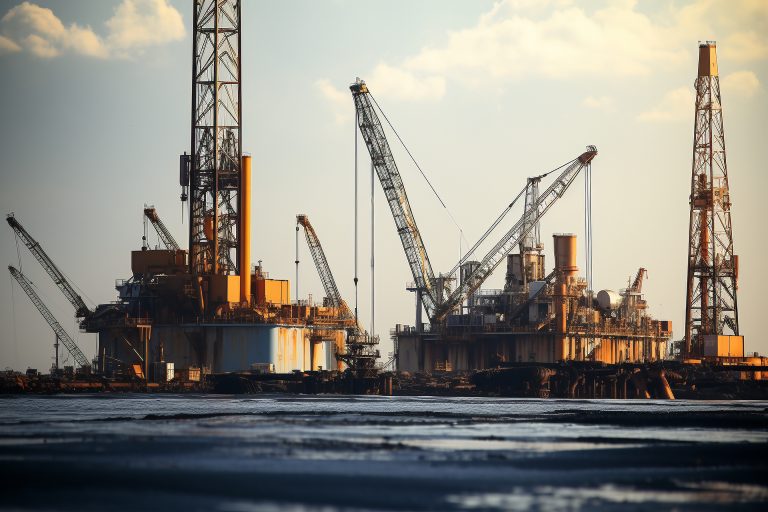
In der Öl- und Gasindustrie kommen die Vorteile nahtloser Stahlrohre besonders zum Tragen. Sie halten den hohen Drücken in Tiefbrunnen und rauen Umgebungen stand und eignen sich daher ideal für die Förderung und den Transport von Öl und Erdgas. Ihre Korrosionsbeständigkeit macht sie auch zu einer bevorzugten Wahl in diesem Sektor, wo Haltbarkeit und Sicherheit an erster Stelle stehen.
Auch die Bauindustrie profitiert stark von der Verwendung nahtloser Stahlrohre. Aufgrund ihrer strukturellen Integrität eignen sie sich für Hochhäuser und andere anspruchsvolle Bauprojekte. Sie dienen nicht nur als Transportmittel für Flüssigkeiten und Gase, sondern auch als Strukturbauteil in Gerüsten, Säulen und Pfeilern.
In der Automobilindustrie werden nahtlose Stahlrohre zur Herstellung hochfester Teile wie z. B. verwendet Achsen, Getriebekomponenten und Antriebswellen. Ihre Fähigkeit, ohne Festigkeitsverlust in komplexe Formen geformt zu werden, wird in der Automobilkonstruktion und -fertigung hoch geschätzt.
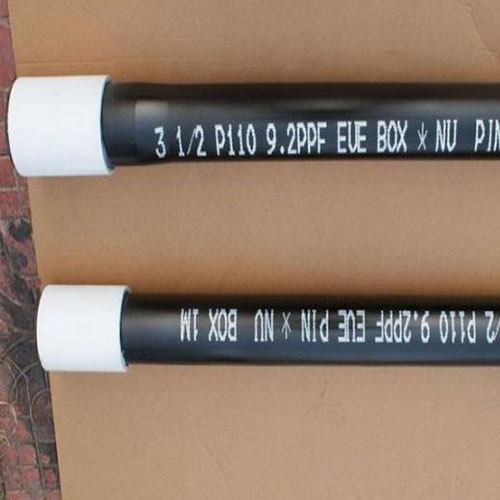
API 5ct P110 GEHÄUSE Bester china-ExporteurTrotz der Vorteile ist die Herstellung nahtloser Stahlrohre im Vergleich zu geschweißten Rohren ressourcenintensiver und kostspieliger. Allerdings überwiegen die Vorteile häufig die Kosten, insbesondere bei Anwendungen, bei denen Sicherheit und Leistung von entscheidender Bedeutung sind.
Mit Blick auf die Zukunft wird die Branche wahrscheinlich Innovationen bei den verwendeten materialien und den Herstellungsprozessen nahtloser Stahlrohre erleben. Fortschritte in der Metallurgie und die Entwicklung neuer Legierungen könnten zu noch stärkeren und belastbareren Rohren führen. Darüber hinaus drängen Umweltaspekte die Industrie zu nachhaltigeren Herstellungspraktiken, was zur Einführung umweltfreundlicherer Technologien in der Rohrproduktion führen könnte.
Zusammenfassend lässt sich sagen, dass nahtlose Stahlrohre nicht nur die Arbeitsweise der Industrie revolutioniert, sondern auch erheblich zu ihrem Wachstum beigetragen haben und Entwicklung. Ihre Fähigkeit, unter anspruchsvollen Bedingungen zu funktionieren und sich an verschiedene Anwendungen anzupassen, macht sie in der heutigen Industriewelt unverzichtbar. Mit fortschreitender Technologie wird ihre Rolle noch wichtiger, da sie die Effizienz und Innovation in allen Sektoren vorantreibt.
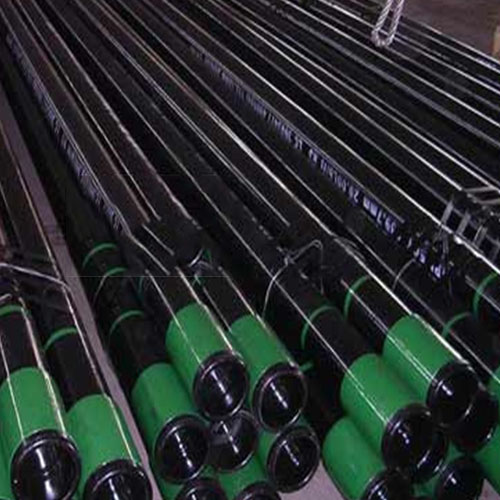
The journey of seamless steel Pipes began in the early 20th century when the need for a more reliable and robust pipe that could withstand high pressures and temperatures became apparent in industries such as Oil and Gas. The traditional method of pipe manufacturing involved welding, which could lead to weaknesses at the seams, potentially causing leaks or failures under high stress. The introduction of seamless steel pipes, made from a single piece of steel with no seams, marked a significant technological breakthrough.
The manufacturing process of seamless steel pipes involves several steps. It starts with heating a solid billet, a block of steel, until it is malleable. The heated billet is then pierced through its center using a mandrel to create a hollow shell. This shell is extended and refined by passing it through a series of rollers that decrease its Diameter and increase its Length. The result is a pipe that has uniform strength all around, free from any joints or welds.
In the oil and gas industry, the advantages of seamless steel pipes are particularly pronounced. They are capable of withstanding the high pressures found in deep wells and harsh environments, making them ideal for the extraction and transportation of oil and natural gas. Their resistance to corrosion also makes them a preferred choice in this sector, where durability and safety are paramount.
The construction industry also benefits greatly from the use of seamless steel pipes. Their structural integrity makes them suitable for high-rise buildings and other demanding construction projects. They are used not only as a means of transportation for fluids and gases but also as a structural component in scaffolding, columns, and piers.
In the automotive industry, seamless steel pipes are used in the manufacture of high-strength parts such as axles, gearbox components, and drive shafts. Their ability to be molded into complex shapes without losing strength is highly valued in automotive design and manufacturing.
API 5CT P110 casing Best China ExporterDespite the advantages, the production of seamless steel pipes is more resource-intensive and costly compared to welded pipes. However, the benefits often outweigh the costs, especially in applications where safety and performance are critical.
Looking to the future, the industry is likely to see innovations in the materials used and the manufacturing processes of seamless steel pipes. Advances in metallurgy and the development of new alloys could lead to even stronger and more resilient pipes. Additionally, environmental considerations are pushing the industry towards more sustainable manufacturing practices, which could see the adoption of greener technologies in pipe production.
In conclusion, seamless steel pipes have not only revolutionized the way industries operate but have also contributed significantly to their growth and development. Their ability to perform under challenging conditions and adapt to various applications makes them indispensable in today\\\’s industrial world. As technology advances, their role is set to become even more critical, driving efficiency and innovation across sectors.
https://youtube.com/watch?v=RE2SoEdCgoQ