Oil casing in Well Construction
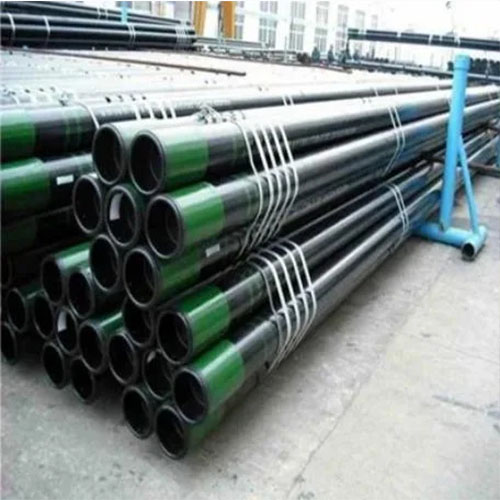
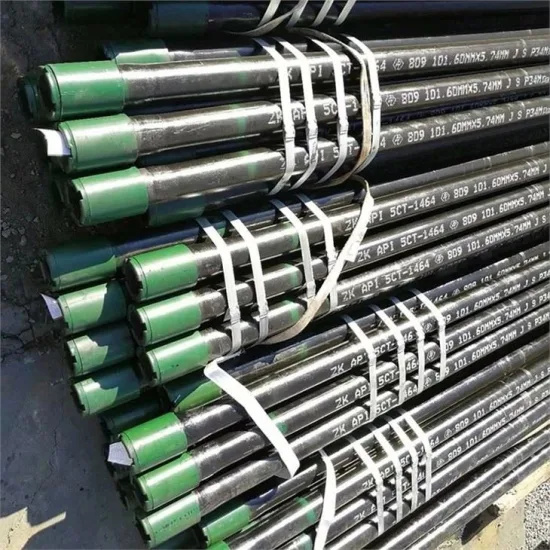
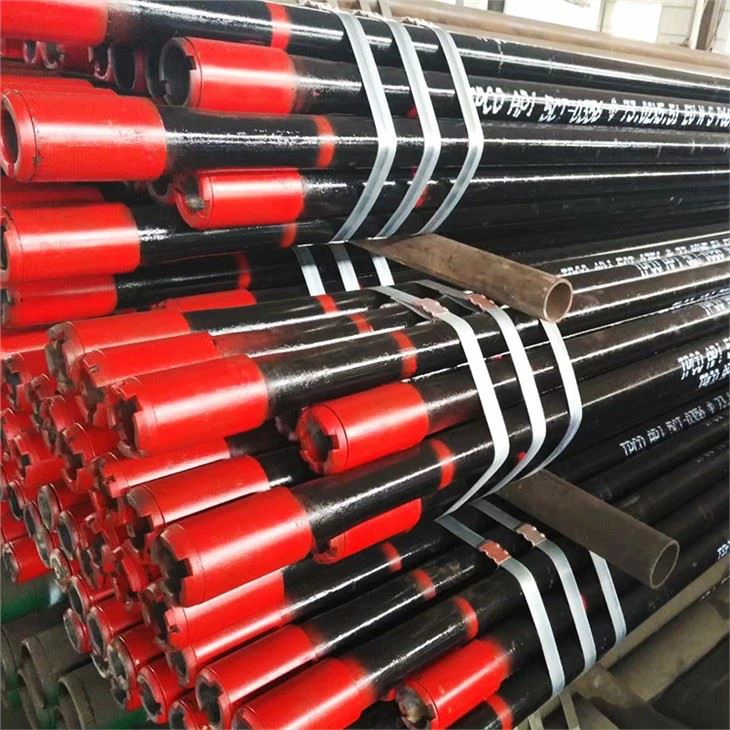
Oil casing plays a crucial role in the construction of wells, serving as a vital component in the extraction of hydrocarbons from beneath the Earth’s surface. This cylindrical structure, typically made of steel, is inserted into the wellbore to provide structural integrity and prevent the collapse of the surrounding geological formations. The use of oil casing is essential not only for maintaining the stability of the well but also for ensuring the safety and efficiency of the drilling process. As drilling progresses, various types of casing are employed, each designed to meet specific requirements based on the geological conditions encountered.
Initially, the process begins with the installation of surface casing, which is the first layer of casing set in the well. This casing is crucial for protecting freshwater aquifers from contamination and serves as a barrier against surface pressures. By isolating the wellbore from the surrounding environment, surface casing helps to maintain the integrity of the well and ensures that drilling operations can proceed without compromising the safety of nearby water sources. Once the surface casing is in place, drilling can continue deeper into the earth, where additional Casing strings are installed as needed.
As the well reaches greater depths, intermediate casing is often required. This type of casing is designed to withstand higher pressures and temperatures encountered in deeper formations. The installation of intermediate casing not only reinforces the wellbore but also provides additional protection against the influx of fluids and gases from surrounding rock formations. This is particularly important in areas where the geological conditions are unstable or where there is a risk of encountering high-pressure zones. By utilizing intermediate casing, operators can mitigate the risks associated with drilling in challenging environments, thereby enhancing the overall safety of the operation.
Following the installation of intermediate casing, production casing is typically set to facilitate the extraction of Oil and Gas. This casing is installed in the final section of the well and is designed to withstand the harsh conditions present during production. The production casing is equipped with various completion tools and equipment that allow for the efficient flow of hydrocarbons to the surface. Additionally, the use of production casing helps to isolate the producing zone from other formations, preventing cross-flow and ensuring that the extracted resources are of the highest quality.
Throughout the life of the well, the integrity of the casing is paramount. Regular monitoring and Maintenance are essential to detect any potential issues, such as corrosion or mechanical failure, that could compromise the well’s safety and productivity. Advances in technology have led to the development of specialized coatings and materials that enhance the durability of oil casing, further extending its lifespan and effectiveness. Moreover, the implementation of advanced monitoring systems allows operators to track the condition of the casing in real-time, enabling proactive measures to address any concerns before they escalate into significant problems.
In conclusion, oil casing is an indispensable element in well construction, providing structural support, safety, and efficiency throughout the drilling and production processes. From surface casing to production casing, each type serves a specific purpose, tailored to the unique challenges presented by the geological environment. As the industry continues to evolve, the importance of reliable and effective oil casing remains a cornerstone of successful hydrocarbon extraction, ensuring that resources can be accessed safely and sustainably.
Environmental Benefits of Oil Casing
Oil casing, a crucial component in the drilling and production of oil and gas, serves not only to facilitate extraction but also to provide significant environmental benefits. The primary function of oil casing is to line the borehole, ensuring structural integrity and preventing the collapse of the well. However, its role extends beyond mere support; it plays a vital part in safeguarding the environment during and after the drilling process. One of the most notable environmental advantages of oil casing is its ability to prevent the contamination of groundwater. By creating a barrier between the wellbore and surrounding geological formations, oil casing effectively isolates the hydrocarbons and other substances extracted from the earth. This isolation is essential in protecting aquifers, which are critical sources of drinking water for many communities. Without proper casing, there is a risk of oil, gas, and other contaminants migrating into these water sources, posing serious health risks to both humans and wildlife.
Moreover, oil casing contributes to the reduction of greenhouse gas emissions. During the extraction process, methane, a potent greenhouse gas, can escape into the atmosphere if not properly managed. The use of high-quality casing materials and advanced Sealing technologies minimizes the likelihood of leaks, thereby reducing the overall carbon footprint of oil and gas operations. This is particularly important in the context of global efforts to combat climate change, as every measure taken to limit emissions can have a significant cumulative effect. Additionally, the installation of oil casing is often accompanied by the implementation of best practices in drilling and production, which further enhances environmental protection. For instance, operators are increasingly adopting techniques such as hydraulic fracturing with careful monitoring and management of casing integrity. This proactive approach not only maximizes resource recovery but also ensures that environmental standards are upheld throughout the drilling process.
Another environmental benefit of oil casing is its role in facilitating the safe disposal of wastewater generated during oil and gas extraction. The casing provides a secure pathway for the injection of produced water into deep geological formations, where it can be safely contained without risking contamination of surface water or groundwater. This method of wastewater management is essential in minimizing the environmental impact of oil and gas operations, as improper disposal can lead to soil and water pollution. Furthermore, the use of oil casing can enhance the overall efficiency of resource extraction. By ensuring that the wellbore remains stable and secure, operators can optimize production rates and reduce the need for additional drilling. This efficiency not only conserves resources but also minimizes the physical footprint of drilling operations, thereby reducing habitat disruption and preserving local ecosystems.

In conclusion, the environmental benefits of oil casing are multifaceted and significant. By preventing groundwater contamination, reducing greenhouse gas emissions, facilitating safe wastewater disposal, and enhancing extraction efficiency, oil casing plays a pivotal role in promoting sustainable practices within the oil and gas industry. As the world continues to seek a balance between energy production and environmental stewardship, the importance of effective oil casing cannot be overstated. Its contributions to protecting natural resources and minimizing ecological impact are essential in the ongoing pursuit of responsible energy development.
Innovations in Oil Casing Technology
The oil and gas industry has witnessed significant advancements in technology over the years, particularly in the area of oil casing. Oil casing, a crucial component in the drilling process, serves to protect the wellbore, maintain pressure, and prevent the contamination of groundwater. Innovations in oil casing technology have emerged as a response to the increasing demands for efficiency, safety, and environmental protection. These advancements not only enhance the performance of oil wells but also contribute to the sustainability of the industry as a whole.
One of the most notable innovations in oil casing technology is the development of advanced materials. Traditional steel casings have been the standard for decades; however, the introduction of composite materials has revolutionized the field. These composites offer superior strength-to-Weight ratios, Corrosion resistance, and durability, making them ideal for use in challenging environments. By reducing the weight of the casing, operators can lower transportation costs and improve the efficiency of the drilling process. Furthermore, the enhanced resistance to corrosion extends the lifespan of the casing, ultimately reducing the need for costly Repairs and replacements.
In addition to material advancements, the integration of smart technologies into oil casing systems has transformed how operators monitor and manage their wells. Smart casing technologies utilize sensors and data analytics to provide real-time information about the well’s condition. This data can include parameters such as temperature, pressure, and structural integrity. By continuously monitoring these factors, operators can detect potential issues before they escalate into significant problems, thereby minimizing downtime and enhancing safety. The ability to make informed decisions based on real-time data not only improves operational efficiency but also reduces the environmental impact of drilling activities.
Moreover, the implementation of advanced manufacturing techniques, such as 3D printing, has further propelled innovations in oil casing technology. 3D printing allows for the r APId prototyping and production of customized casing components tailored to specific well conditions. This flexibility enables operators to optimize their casing designs for unique geological formations, ultimately improving the overall performance of the well. Additionally, the ability to produce components on-demand reduces lead times and inventory costs, streamlining the supply chain and enhancing operational efficiency.
https://youtube.com/watch?v=Z0hn2ksAgYM
small solid metal PipesAs the industry continues to evolve, the focus on sustainability has become increasingly prominent. Innovations in oil casing technology are also addressing environmental concerns by promoting the use of eco-friendly materials and practices. For instance, some Companies are exploring the use of biodegradable casing materials that can minimize the ecological footprint of drilling operations. These sustainable alternatives not only help protect the environment but also align with the growing regulatory pressures and societal expectations for responsible resource extraction.
In conclusion, the innovations in oil casing technology are reshaping the landscape of the oil and gas industry. From advanced materials and smart technologies to 3D printing and sustainable practices, these developments are enhancing the efficiency, safety, and environmental stewardship of drilling operations. As the industry faces new challenges and opportunities, the continued evolution of oil casing technology will play a pivotal role in ensuring the responsible and effective extraction of vital energy resources. By embracing these innovations, operators can not only improve their operational performance but also contribute to a more sustainable future for the industry.