Résistance à la corrosion dans les matériaux du carter d’huile
Exigences de résistance mécanique pour les matériaux du carter d’huile
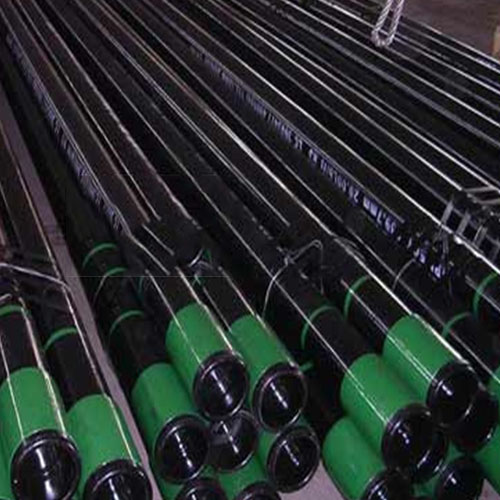
Stabilité thermique et chimique des matériaux de cuvelage d’huile
https://youtube.com/watch?v=W7UwxDk5yUQDans le domaine du forage et de l’extraction pétrolières, le choix des matériaux de tubage joue un rôle central pour garantir l’efficacité et la longévité des opérations. Parmi les diverses considérations qui guident cette sélection, aucune n’est peut-être aussi critique que la stabilité thermique et chimique de ces matériaux. Cet article examine les qualités spécifiques et les critères de sélection qui définissent les matériaux de tubage pétrolier appropriés en termes de stabilité thermique et chimique.
Les matériaux de tubage pétrolier doivent résister à des conditions extrêmes au plus profond de la terre, où les températures peuvent varier considérablement et où les éléments corrosifs abondent. La stabilité thermique devient donc une préoccupation majeure. Les matériaux destinés au tubage doivent posséder la capacité de supporter des températures élevées sans dégradation significative. Cette exigence garantit que le tubage conserve son intégrité structurelle sur des périodes prolongées, protégeant ainsi le puits de forage et facilitant les opérations d’extraction en douceur.
L’un des principaux concurrents à cet égard est l’acier, en particulier les alliages qui présentent une résistance thermique exceptionnelle. Le chrome et le nickel sont couramment incorporés à ces alliages pour améliorer leur stabilité thermique. Ces métaux améliorent non seulement la résistance aux températures élevées, mais contribuent également à la capacité du matériau à résister à l’oxydation, un facteur crucial dans les environnements où l’exposition à des fluides ou des gaz riches en oxygène est répandue.
La stabilité chimique est également vitale dans le choix du carter d’huile. matériels. L’environnement souterrain expose le tubage à divers agents corrosifs, notamment le sulfure d’hydrogène (H2S) et le dioxyde de carbone (CO2), qui peuvent accélérer la dégradation des matériaux s’ils ne sont pas correctement atténués. Les aciers inoxydables, connus pour leur résistance à la corrosion, sont souvent privilégiés pour leur capacité à résister à ces conditions chimiques difficiles. Ces aciers contiennent des éléments tels que le chrome, le molybdène et l’azote, qui forment une couche protectrice sur la surface du matériau, le protégeant des attaques corrosives.
En plus de leur résistance chimique inhérente, ces matériaux sont soumis à des processus de tests et de certification rigoureux pour garantir leur conformité. aux normes industrielles en matière de résistance à la corrosion. De telles normes sont essentielles dans le secteur pétrolier et gazier, où la sécurité opérationnelle et la protection de l’environnement sont des préoccupations primordiales.
Les composites à base de polymères sont également apparus comme des alternatives viables dans certaines applications, offrant des avantages uniques tels que des propriétés légères et une résistance améliorée à des produits chimiques spécifiques. . Cependant, leur adoption dans les matériaux de tubage pétrolier est tempérée par des préoccupations concernant la durabilité et la fiabilité à long terme dans des conditions extrêmes. La recherche et le développement en cours visent à relever ces défis, en élargissant potentiellement la gamme de matériaux disponibles pour les applications de tubage à l’avenir.
La sélection des matériaux de tubage d’huile implique un équilibre méticuleux entre la stabilité thermique et chimique, ainsi que d’autres facteurs mécaniques et économiques. facteurs. Les ingénieurs et les opérateurs doivent peser ces considérations par rapport aux exigences spécifiques de chaque projet de forage, en tenant compte de facteurs tels que la profondeur, les conditions du réservoir et la durée de vie opérationnelle prévue.
De plus, les progrès de la science des matériaux continuent de stimuler l’innovation dans ce domaine, avec un les efforts se sont concentrés sur l’amélioration des performances et de la durabilité des matériaux de tubage pétrolier. De nouveaux alliages, revêtements et techniques de fabrication promettent d’améliorer encore la résistance thermique et chimique tout en réduisant l’impact environnemental et les coûts d’exploitation.
En conclusion, la stabilité thermique et chimique des matériaux de tubage pétrolier est la pierre angulaire des opérations de forage pétrolier efficaces et durables. En sélectionnant des matériaux capables de résister à des températures extrêmes et à la corrosion efficacement, les opérateurs peuvent garantir l’intégrité et la longévité de leurs puits, contribuant ainsi à des pratiques d’extraction d’énergie plus sûres et plus productives. À mesure que la technologie évolue, la gamme de matériaux disponibles évoluera également, offrant de nouvelles possibilités d’optimisation des performances et de gestion environnementale dans l’industrie pétrolière et gazière.
Mechanical Strength Requirements for Oil casing materials
In the realm of oil exploration and production, the selection of suitable casing materials is critical to ensuring the integrity and longevity of wells. Among the various factors influencing this decision, mechanical strength stands out as paramount. The harsh conditions within oil wells demand materials that can withstand immense pressures, corrosive environments, and mechanical stresses over prolonged periods.
Mechanical strength in oil casing materials refers to their ability to resist deformation, rupture, and failure under the extreme forces encountered during drilling, completion, and production phases. This property is assessed through rigorous testing and adherence to industry standards to ensure reliability and safety.
One of the primary considerations in evaluating mechanical strength is the material’s yield strength. Yield strength indicates the maximum stress a material can withstand without permanent deformation. For oil casing, which must endure high-pressure environments deep underground, materials with high yield strength are preferred to prevent structural failure and maintain the integrity of the wellbore.
Beyond yield strength, ultimate tensile strength is another crucial parameter. This measures the maximum stress a material can withstand before fracturing under tension. Oil casing materials must exhibit sufficient tensile strength to resist forces that could cause them to rupture, ensuring that the casing remains intact and operational throughout its service life.
Moreover, the ability of casing materials to maintain their mechanical properties at elevated temperatures is essential. Oil wells often encounter temperatures that can exceed 150 degrees Celsius (300 degrees Fahrenheit). Materials selected for casing must demonstrate thermal stability to prevent softening or weakening under such conditions, which could compromise the structural integrity of the well.
In addition to static mechanical properties, the fatigue strength of casing materials is equally important. Fatigue strength refers to the material’s resistance to failure under cyclic loading, such as the pressures exerted during hydraulic fracturing (fracking) or thermal expansion and contraction cycles. Materials with high fatigue strength are less prone to cracking or failure from repeated stress, thus ensuring reliable performance over the well’s operational lifespan.
Corrosion resistance is another critical aspect intertwined with mechanical strength in casing material selection. Oil wells are exposed to corrosive fluids, including saline water and acidic gases, which can degrade unprotected materials over time. Corrosion-resistant alloys or coatings are often employed to enhance the longevity of casing materials, preserving their mechanical properties and preventing premature failure.
The selection of oil casing materials involves a meticulous balance of these mechanical properties alongside economic considerations and operational requirements. Engineers and operators must weigh factors such as cost, availability, manufacturability, and environmental impact when choosing the optimal material for a specific well application.
In conclusion, mechanical strength is a cornerstone of oil casing material selection, ensuring the reliability, safety, and longevity of oil wells. By prioritizing properties such as yield strength, tensile strength, thermal stability, fatigue resistance, and corrosion resistance, stakeholders in the Oil and Gas industry can mitigate risks, optimize performance, and uphold operational excellence in challenging environments. Through ongoing research, development, and adherence to stringent standards, the quest for improved casing materials continues to advance, promising enhanced efficiency and sustainability in oil exploration and production practices globally.
Thermal and Chemical Stability of Oil Casing Materials
In the realm of oil drilling and extraction, the choice of casing materials plays a pivotal role in ensuring the efficiency and longevity of operations. Among the various considerations that guide this selection, perhaps none are as critical as the thermal and chemical stability of these materials. This article delves into the specific qualities and selection criteria that define suitable oil casing materials in terms of their thermal and chemical stability.
Oil casing materials must withstand extreme conditions deep within the earth, where temperatures can vary significantly and corrosive elements abound. Thermal stability, therefore, becomes a primary concern. Materials intended for casing must possess the ability to endure high temperatures without significant degradation. This requirement ensures that the casing maintains its structural integrity over extended periods, thereby safeguarding the wellbore and facilitating smooth extraction operations.
One of the foremost contenders in this regard is steel, particularly alloys that exhibit exceptional heat resistance. Chromium and nickel are commonly incorporated into these alloys to enhance their thermal stability. These metals not only improve resistance to high temperatures but also contribute to the material’s ability to resist oxidation, a crucial factor in environments where exposure to oxygen-rich fluids or gases is prevalent.
Chemical stability is equally vital in the selection of oil casing materials. The underground environment exposes casing to various corrosive agents, including hydrogen sulfide (H2S) and carbon dioxide (CO2), which can accelerate material degradation if not properly mitigated. stainless steels, known for their resistance to corrosion, are often favored for their ability to withstand these harsh chemical conditions. These steels contain elements such as chromium, molybdenum, and nitrogen, which form a protective layer on the material’s surface, shielding it from corrosive attacks.
In addition to their inherent chemical resistance, these materials undergo rigorous testing and certification processes to ensure compliance with industry standards for corrosion resistance. Such standards are critical in the oil and gas sector, where operational safety and environmental protection are paramount concerns.
Polymer-based composites have also emerged as viable alternatives in certain applications, offering unique advantages such as lightWeight properties and enhanced resistance to specific chemicals. However, their adoption in oil casing materials is tempered by concerns over long-term durability and reliability under extreme conditions. Ongoing research and development aim to address these challenges, potentially expanding the range of materials available for casing applications in the future.
The selection of oil casing materials involves a meticulous balancing act between thermal and chemical stability, as well as other mechanical and economic factors. Engineers and operators must weigh these considerations against the specific requirements of each drilling project, taking into account factors such as depth, reservoir conditions, and anticipated operational lifespan.
Moreover, advancements in material science continue to drive innovation in this field, with ongoing efforts focused on enhancing the performance and sustainability of oil casing materials. New alloys, coatings, and manufacturing techniques promise to further improve thermal and chemical resistance while reducing environmental impact and operational costs.
In conclusion, the thermal and chemical stability of oil casing materials is a cornerstone of efficient and sustainable oil drilling operations. By selecting materials that can withstand extreme temperatures and resist corrosion effectively, operators can ensure the integrity and longevity of their wells, contributing to safer and more productive energy extraction practices. As technology evolves, so too will the range of materials available, offering new possibilities for optimizing performance and environmental stewardship in the oil and gas industry.