Function of drilling casing in Well Construction
In the realm of well construction, the function of drilling casing is pivotal to ensuring the integrity and safety of the wellbore. Drilling casing serves as a protective barrier that stabilizes the well, preventing the collapse of the surrounding geological formations. This is particularly crucial in areas where the earth’s strata may be unstable or prone to shifting. By providing structural support, drilling casing allows for the safe advancement of drilling operations, facilitating the extraction of hydrocarbons or other resources from beneath the earth’s surface.
Moreover, drilling casing plays a significant role in isolating different pressure zones within the well. As drilling progresses, various formations may exhibit differing pressures, which can lead to hazardous situations such as blowouts if not properly managed. The casing acts as a Seal, preventing the migration of fluids between these zones, thereby mitigating the risk of uncontrolled pressure releases. This isolation is essential not only for the safety of the drilling crew but also for the protection of the environment, as it helps to prevent contamination of groundwater and surrounding ecosystems.
In addition to providing structural integrity and pressure management, drilling casing also facilitates the efficient removal of drilling fluids, commonly referred to as mud. During the drilling process, mud is circulated to cool the drill bit, remove cuttings, and maintain pressure in the wellbore. The casing allows for the effective return of these fluids to the surface, where they can be treated and reused. This recycling of drilling fluids is not only cost-effective but also environmentally responsible, as it reduces waste and minimizes the ecological footprint of drilling operations.
transitioning from the function of drilling casing, it is important to distinguish it from the role of Tubing in well construction. While both components are essential to the overall integrity of the well, their functions differ significantly. Tubing is installed after the casing and is primarily designed to transport the extracted hydrocarbons or fluids from the reservoir to the surface. Unlike casing, which is intended to provide structural support and isolation, tubing is focused on the efficient flow of resources, ensuring that they can be brought to the surface with minimal resistance.
Furthermore, tubing is typically smaller in Diameter than casing, allowing for a more streamlined flow path. This design is crucial for optimizing production rates and enhancing the overall efficiency of the extraction process. Additionally, tubing can be equipped with various completion technologies, such as Packers and valves, which further enhance its functionality in managing the flow of fluids and maintaining well control.
In summary, the function of drilling casing in well construction is multifaceted, encompassing structural support, pressure management, and the facilitation of drilling fluid removal. Its role is critical in ensuring the safety and efficiency of drilling operations. In contrast, tubing serves a distinct purpose, focusing on the transportation of extracted resources to the surface. Understanding these differences is essential for professionals in the field, as it underscores the importance of each component in the overall success of well construction and resource extraction. By recognizing the unique functions of drilling casing and tubing, industry stakeholders can make informed decisions that enhance operational efficiency and safety in well development projects.
Function of Tubing in Oil and gas Production
In the oil and gas industry, the function of tubing is a critical aspect of production operations, serving as the conduit through which hydrocarbons are transported from the reservoir to the surface. Tubing is typically a smaller diameter Pipe that is inserted into the wellbore after the drilling process is complete. Its primary purpose is to facilitate the efficient flow of oil and gas, ensuring that these resources can be extracted and processed effectively. Unlike casing, which is designed to stabilize the wellbore and protect it from external pressures and contaminants, tubing is specifically engineered to handle the dynamic conditions of production.
One of the key functions of tubing is to provide a pathway for the produced fluids to travel upward. As hydrocarbons are extracted from the reservoir, they often contain a mixture of oil, gas, and water. The tubing system is designed to accommodate these varying phases, allowing for the efficient separation and transportation of the desired products. The design of the tubing, including its diameter and material composition, is crucial in determining the flow rates and pressure conditions within the well. For instance, larger diameter tubing can facilitate higher flow rates, which is particularly important in high-production wells.
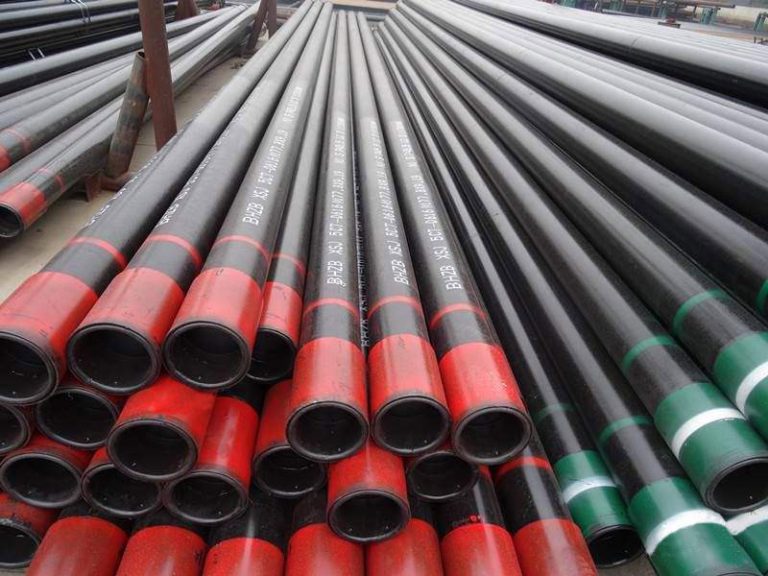
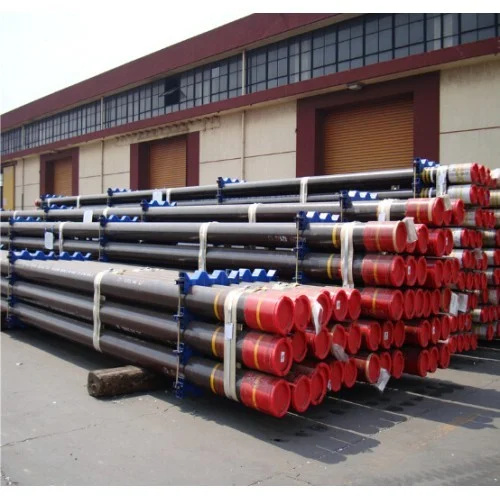
API 5ct P110 CASING best Chinese Wholesaler
Moreover, tubing plays a vital role in maintaining the integrity of the well during production. It is subjected to various stresses, including pressure fluctuations and thermal expansion, which can impact its performance. To mitigate these challenges, tubing is often constructed from high-strength materials that can withstand the harsh conditions encountered in oil and gas environments. Additionally, the use of specialized coatings and treatments can enhance the tubing’s resistance to corrosion and erosion, thereby extending its operational lifespan.
Another important aspect of tubing is its ability to facilitate the injection of fluids into the well. In many cases, operators employ techniques such as water flooding or gas injection to enhance oil recovery. Tubing systems are designed to accommodate these injection processes, allowing for the controlled introduction of fluids that can help maintain reservoir pressure and improve overall production efficiency. This dual functionality of tubing\u2014both as a conduit for produced fluids and as a means for fluid injection\u2014highlights its significance in optimizing production strategies.
Furthermore, the installation and Maintenance of tubing are critical components of well management. Proper installation techniques ensure that the tubing is securely positioned within the casing, minimizing the risk of leaks or failures during operation. Regular inspections and maintenance activities are also essential to identify any potential issues, such as wear or damage, that could compromise the integrity of the tubing. By proactively addressing these concerns, operators can enhance the reliability of their production systems and reduce the likelihood of costly downtime.
https://youtube.com/watch?v=q2IbtWO5RVwIn conclusion, the function of tubing in oil and gas production is multifaceted, encompassing the transportation of hydrocarbons, the maintenance of well integrity, and the facilitation of enhanced recovery techniques. Its design and material properties are tailored to withstand the demanding conditions of the production environment, ensuring efficient and safe operations. As the industry continues to evolve, the role of tubing will remain central to the successful extraction of oil and gas resources, underscoring its importance in the overall production process.