Differences in Welding Characteristics Between API and astm Pipes
API and ASTM pipes are two common types of pipes used in various industries for different applications. While both types of pipes are designed to carry fluids or gases, they have distinct differences in their welding characteristics. Understanding these differences is crucial for welders and fabricators to ensure the proper welding techniques are used for each type of pipe.
One of the key differences between API and ASTM pipes lies in their manufacturing standards. API pipes are manufactured according to the standards set by the American petroleum Institute (API), while ASTM pipes are manufactured according to the standards set by the American Society for Testing and materials (ASTM). These standards dictate the chemical composition, mechanical properties, and manufacturing processes of the pipes, which in turn affect their welding characteristics.
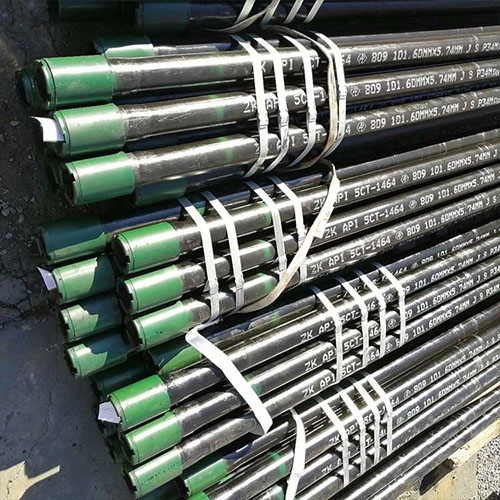
When it comes to welding, API pipes are known for their high weldability. This is due to the fact that API pipes are typically made from carbon steel or low alloy steel, which are easier to weld compared to other materials. In addition, API pipes are often designed for specific applications in the Oil and Gas industry, where welding plays a crucial role in the construction and Maintenance of pipelines. As a result, API pipes are engineered to be easily weldable, allowing for efficient and reliable welding processes.
On the other hand, ASTM pipes may have different welding characteristics depending on the material and grade of the pipe. ASTM pipes can be made from a wide range of materials, including carbon steel, stainless steel, and alloy steel, each of which has its own unique welding properties. For example, stainless steel pipes are known for their high Corrosion resistance but can be more challenging to weld compared to Carbon Steel Pipes. Similarly, alloy steel pipes may require preheating and post-weld heat treatment to prevent cracking and ensure proper weld integrity.
In terms of welding techniques, both API and ASTM pipes can be welded using various methods, such as shielded metal arc welding (SMAW), gas tungsten arc welding (GTAW), and gas metal arc welding (GMAW). However, the welding parameters and procedures may differ between API and ASTM pipes due to their material composition and manufacturing standards. For example, API pipes may require specific preheat and interpass temperatures to prevent hydrogen cracking, while ASTM pipes may have different filler metal requirements based on the material grade and thickness of the pipe.

api 5ct T95 casing china best CompaniesIt is important for welders and fabricators to consult the welding procedures and specifications provided by the pipe Manufacturer to ensure proper welding practices are followed. This includes selecting the appropriate welding method, filler metal, and welding parameters to achieve a strong and durable weld joint. Additionally, welders should be aware of the potential challenges and limitations associated with welding API and ASTM pipes, such as distortion, porosity, and weld defects, and take necessary precautions to mitigate these issues.
https://youtube.com/watch?v=jRjUVhSQVYQ
In conclusion, API and ASTM pipes have distinct differences in their welding characteristics due to their material composition, manufacturing standards, and intended applications. Understanding these differences is essential for welders and fabricators to ensure the proper welding techniques are used for each type of pipe. By following the recommended welding procedures and specifications, welders can achieve high-quality welds that meet the performance and safety requirements of API and ASTM pipes.