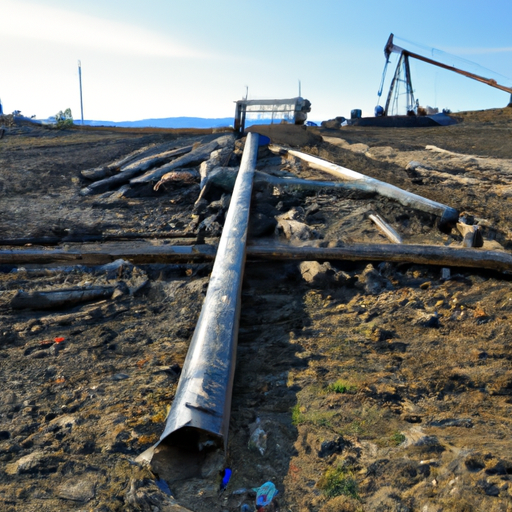
Understanding Oil casing types
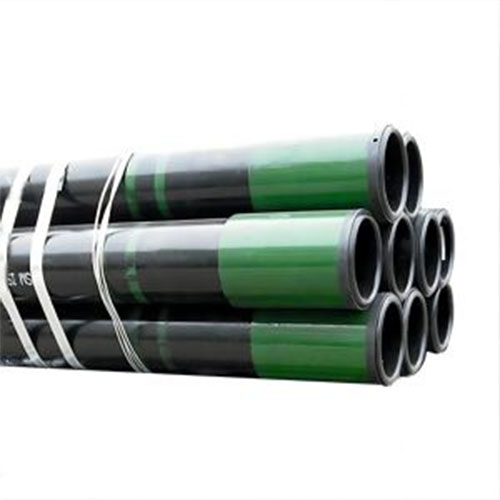
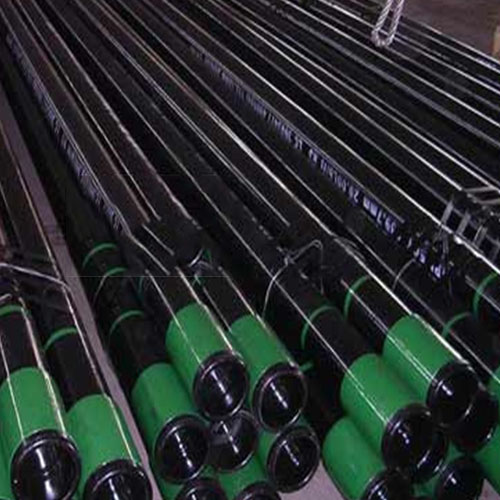
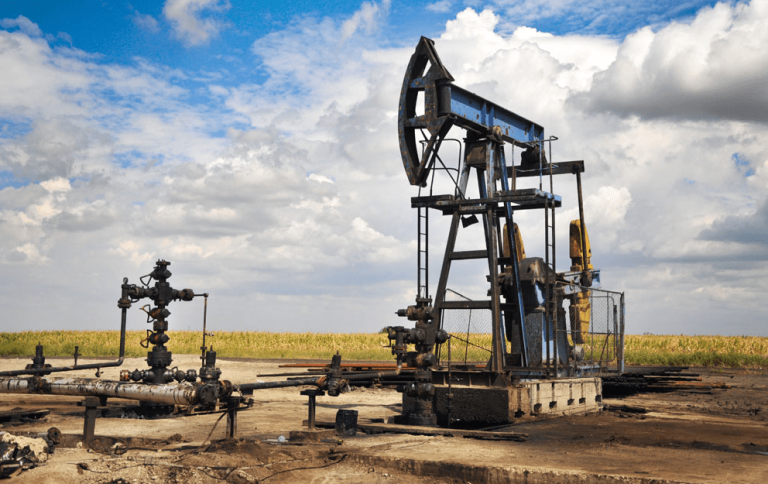
Selecting the appropriate oil casing is a critical decision in the Oil and gas industry, as it directly impacts the efficiency and safety of drilling operations. To make an informed choice, it is essential to understand the various types of oil casing available and their specific applications. Oil casing serves as a protective lining for the wellbore, ensuring the structural integrity of the well and preventing the migration of fluids between different geological formations. The primary types of oil casing include surface casing, intermediate casing, and production casing, each designed for distinct purposes and conditions.
https://youtube.com/watch?v=y2Ua7ieGD5A
Surface casing is typically the first layer installed in a well. Its primary function is to protect freshwater aquifers and provide stability to the well during the drilling process. This casing is usually set at a shallow depth and is designed to withstand external pressures and prevent contamination of groundwater. When selecting surface casing, factors such as the depth of the freshwater zone, the geological characteristics of the area, and the anticipated pressures must be considered. By understanding these parameters, operators can choose the appropriate Diameter and Weight of the casing to ensure optimal performance.
Following the installation of surface casing, intermediate casing is often employed to address the challenges posed by deeper formations. This type of casing is crucial for managing pressures and preventing the influx of unwanted fluids from surrounding rock layers. The selection of intermediate casing requires a thorough analysis of the wellbore conditions, including temperature, pressure, and the presence of corrosive elements. Operators must also consider the potential for wellbore instability, which can lead to costly delays and safety hazards. By carefully evaluating these factors, operators can select an intermediate casing that provides the necessary strength and durability to withstand the rigors of deeper drilling.
Production casing is the final casing installed in the well and is designed to facilitate the extraction of hydrocarbons. This casing must be robust enough to handle the pressures and temperatures encountered during production while also providing a reliable barrier against the escape of fluids. When selecting production casing, operators must take into account the specific characteristics of the reservoir, including the type of hydrocarbons being produced and the expected production rates. Additionally, the compatibility of the casing material with the produced fluids is essential to prevent corrosion and ensure the longevity of the well.
In addition to the primary casing types, operators must also consider various factors such as casing material, weight, and grade. The choice of material, typically steel, is influenced by the environmental conditions and the specific requirements of the well. Different grades of casing are available, each designed to meet varying strength and Corrosion resistance standards. By understanding the implications of these choices, operators can make informed decisions that align with their operational goals and regulatory requirements.
Ultimately, selecting the accurate oil casing according to the true need state involves a comprehensive understanding of the well’s geological and operational context. By carefully evaluating the specific requirements of each casing type and considering the unique challenges presented by the well, operators can ensure the integrity and efficiency of their drilling operations. This thoughtful approach not only enhances safety but also contributes to the overall success of oil and gas extraction endeavors.
Evaluating Well Conditions and Requirements
Selecting the appropriate oil casing is a critical step in the drilling process, as it directly impacts the efficiency and safety of oil extraction operations. To make an informed decision, it is essential to evaluate the well conditions and requirements thoroughly. This evaluation begins with a comprehensive understanding of the geological characteristics of the drilling site. Factors such as rock type, formation pressure, and temperature play a significant role in determining the type of casing that will be most effective. For instance, in areas with high-pressure formations, selecting a casing that can withstand these conditions is paramount to prevent failures that could lead to costly delays and safety hazards.
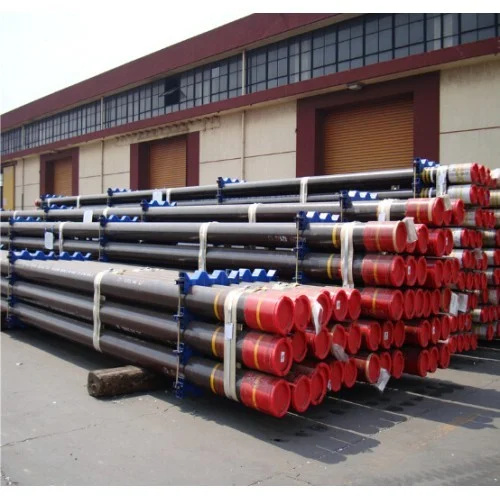
drive Pipe china best Exporter
In addition to geological factors, the anticipated production rates and the type of fluids to be extracted must also be considered. Different formations may yield varying amounts of oil or gas, and the casing must be designed to accommodate these differences. For example, if the well is expected to produce corrosive fluids, it is crucial to choose a casing material that offers adequate resistance to corrosion. This consideration not only prolongs the life of the casing but also ensures the integrity of the well over time. Furthermore, understanding the expected flow rates can help in selecting the appropriate diameter and weight of the casing, which are essential for maintaining optimal production levels.
Another important aspect of evaluating well conditions is assessing the potential for environmental challenges. Factors such as groundwater proximity, seismic activity, and the presence of nearby infrastructure can influence casing selection. In regions where groundwater is at risk, it is vital to choose a casing that provides a robust barrier to prevent contamination. Similarly, in seismically active areas, the casing must be designed to withstand potential ground movements, ensuring that it remains intact and functional under stress. By taking these environmental considerations into account, operators can mitigate risks and enhance the overall safety of the drilling operation.

Moreover, the regulatory framework governing oil extraction must not be overlooked. Different regions have specific regulations regarding casing design and installation, which are often influenced by local geological conditions and environmental concerns. Familiarizing oneself with these regulations is essential to ensure compliance and avoid potential legal issues. This knowledge can also guide the selection process, as certain casing types may be mandated or recommended based on the specific conditions of the well.
As the evaluation process continues, it is also beneficial to consult with industry experts and utilize advanced technologies. Engaging with geologists, drilling engineers, and casing specialists can provide valuable insights into the best practices for casing selection. Additionally, employing technologies such as 3D modeling and simulation can help visualize the well conditions and predict potential challenges, allowing for a more informed decision-making process.
In conclusion, selecting the accurate oil casing according to the true need state requires a multifaceted approach that encompasses a thorough evaluation of well conditions and requirements. By considering geological factors, production expectations, environmental challenges, regulatory compliance, and expert insights, operators can make informed choices that enhance the safety and efficiency of their drilling operations. Ultimately, a well-considered casing selection not only protects the investment but also contributes to the sustainable management of oil resources.