**material Strength and Durability**
In the realm of Oil and gas exploration, the selection of appropriate casing materials is paramount to ensuring the integrity and longevity of wells. Among the myriad of factors that influence this selection, material strength and durability stand out as critical characteristics that must be meticulously considered. The casing serves as a protective barrier, safeguarding the wellbore from external pressures and preventing the contamination of groundwater resources. Therefore, the materials chosen must exhibit exceptional mechanical properties to withstand the harsh conditions encountered during drilling and production.
To begin with, the strength of the casing material is essential for withstanding the immense pressures that can be encountered at various depths. The primary types of materials used for oil casing include carbon steel, alloy steel, and, in some cases, non-metallic materials such as fiberglass. Carbon steel, particularly in its high-strength variants, is widely favored due to its excellent tensile strength and ability to endure the stresses imposed by both the geological formations and the fluids within the well. However, while carbon steel provides a robust solution, it is not without its limitations, particularly in corrosive environments where the presence of hydrogen sulfide or carbon dioxide can lead to material degradation.
In response to these challenges, alloy steels have emerged as a superior alternative, offering enhanced resistance to corrosion and improved mechanical properties. These alloys often incorporate elements such as chromium, molybdenum, and nickel, which not only bolster strength but also enhance the material’s ability to withstand corrosive agents. The selection of alloy steel is particularly advantageous in environments where the risk of stress corrosion cracking is heightened, as these materials can maintain their integrity over extended periods, thereby reducing the likelihood of catastrophic failures.
Moreover, the durability of casing materials is intrinsically linked to their ability to resist wear and tear over time. The operational life of a well can span several decades, and during this time, the casing must endure not only the initial drilling process but also the subsequent production phases, which can involve fluctuating pressures and temperatures. Therefore, the durability of the material is a crucial consideration. For instance, the use of non-metallic materials, such as fiberglass, has gained traction in certain applications due to their lightWeight nature and resistance to corrosion. These materials can offer a viable alternative in specific scenarios, particularly in shallow wells or in environments where traditional steel casings may be prone to r APId degradation.
free steel PipeIn addition to the inherent properties of the materials themselves, the manufacturing processes and quality control measures employed during production play a significant role in determining the overall strength and durability of the casing. Rigorous testing and adherence to industry standards are essential to ensure that the materials meet the required specifications for performance under extreme conditions. This includes assessments of tensile strength, yield strength, and impact resistance, all of which contribute to the material’s ability to perform reliably throughout its service life.
Ultimately, the ideal characteristics of Oil casing materials hinge on a delicate balance between strength and durability, tailored to the specific conditions of each well. As the industry continues to evolve, advancements in material science and engineering will undoubtedly lead to the development of even more resilient casing options, further enhancing the safety and efficiency of oil and gas operations. In conclusion, the careful selection of casing materials, grounded in a thorough understanding of their mechanical properties and environmental interactions, is essential for the successful and sustainable extraction of hydrocarbon resources.
**Corrosion resistance and Compatibility**
Corrosion resistance and compatibility are critical factors in the selection of oil casing materials, as they directly influence the longevity and integrity of oil wells. The oil and gas industry operates in environments that are often harsh and corrosive, exposing casing materials to various chemical agents, including hydrogen sulfide, carbon dioxide, and chlorides. These agents can lead to significant degradation of the casing, resulting in costly Repairs, environmental hazards, and potential safety risks. Therefore, understanding the characteristics that contribute to corrosion resistance is essential for ensuring the reliability of oil casing materials.
One of the primary characteristics that enhance corrosion resistance is the material’s chemical composition. For instance, steel alloys that contain chromium and nickel exhibit improved resistance to corrosion due to the formation of a protective oxide layer on their surface. This layer acts as a barrier, preventing corrosive substances from penetrating the underlying metal. Additionally, the presence of molybdenum in certain alloys can further enhance resistance to pitting and crevice corrosion, which are common in environments with high chloride concentrations. Consequently, selecting materials with the appropriate alloying elements is crucial for optimizing corrosion resistance in oil casing applications.
In addition to chemical composition, the manufacturing process of casing materials plays a significant role in their overall performance. The heat treatment processes, such as quenching and tempering, can alter the microstructure of the material, thereby affecting its mechanical properties and resistance to corrosion. For example, a well-controlled heat treatment can enhance the toughness and ductility of the casing, making it less susceptible to stress corrosion cracking. Furthermore, the application of surface treatments, such as galvanization or coating with corrosion-resistant materials, can provide an additional layer of protection against corrosive agents. These treatments not only improve the lifespan of the casing but also reduce Maintenance costs over time.
https://youtube.com/watch?v=vU-F4ZPyTgE
Compatibility with the surrounding environment is another essential consideration when selecting oil casing materials. The interaction between the casing and the fluids it encounters can lead to various forms of corrosion, including uniform corrosion, localized corrosion, and galvanic corrosion. Therefore, it is vital to assess the chemical composition of the fluids, including their pH levels, temperature, and concentration of corrosive agents, to ensure that the selected casing material can withstand these conditions. For instance, in environments with high levels of hydrogen sulfide, materials such as carbon steel may not be suitable due to their susceptibility to sulfide stress cracking. In such cases, the use of corrosion-resistant alloys or non-metallic materials may be warranted to ensure compatibility and longevity.
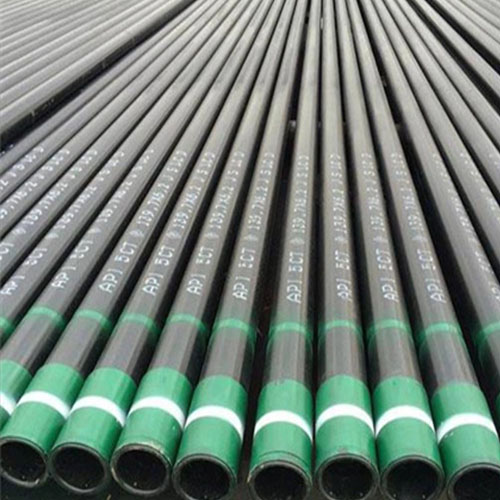
Moreover, the selection process should also consider the operational conditions of the oil well, including pressure and temperature fluctuations. High-pressure and high-temperature environments can exacerbate corrosion rates, making it imperative to choose materials that can withstand these extreme conditions without compromising their structural integrity. The use of advanced materials, such as duplex stainless steels or high-performance alloys, can provide the necessary strength and corrosion resistance required for such demanding applications.
In conclusion, the ideal characteristics of oil casing materials must prioritize corrosion resistance and compatibility to ensure the safe and efficient operation of oil wells. By carefully considering the chemical composition, manufacturing processes, environmental interactions, and operational conditions, industry professionals can make informed decisions that enhance the durability and reliability of casing materials. This comprehensive approach not only mitigates the risks associated with corrosion but also contributes to the overall sustainability of oil and gas operations, ultimately benefiting both the industry and the environment.