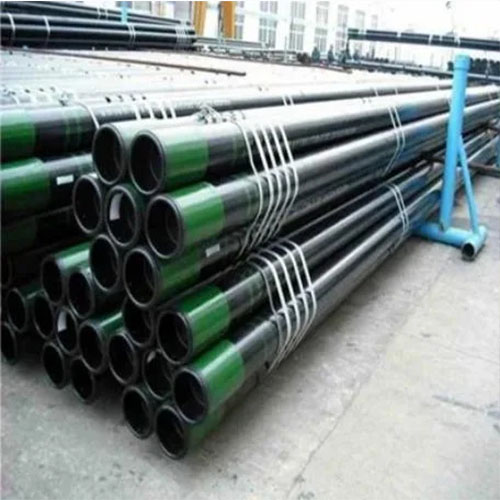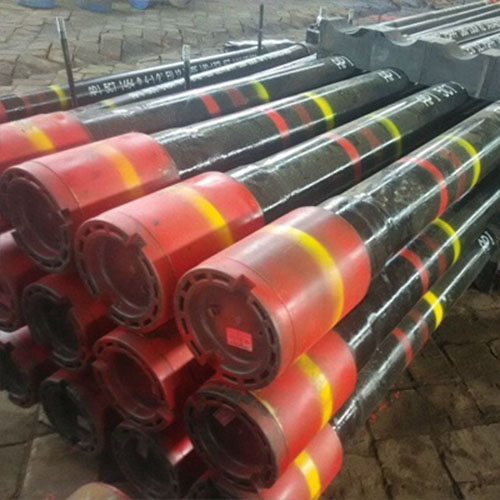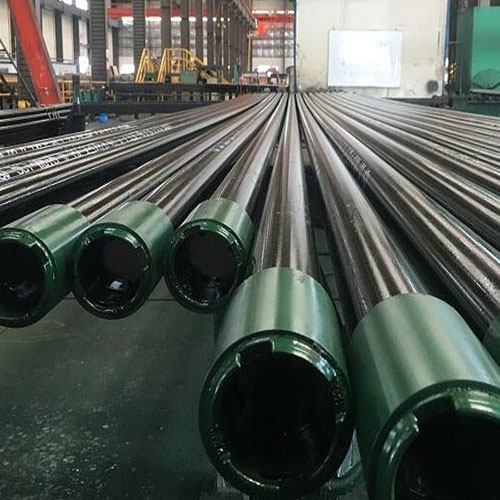
Importance Of Regular Inspection For octg Tubing And casing
The importance of regular inspection for Oil country tubular goods (OCTG) tubing and casing cannot be overstated, as these components play a critical role in the Oil and gas industry. OCTG tubing and casing are essential for the safe and efficient extraction of hydrocarbons from the earth. They provide structural integrity to the wellbore, protect the surrounding environment, and ensure the safety of personnel involved in drilling operations. Given the harsh conditions under which these materials operate, including extreme pressures, corrosive environments, and mechanical stresses, regular inspection and Maintenance are vital to prevent failures that could lead to catastrophic consequences.
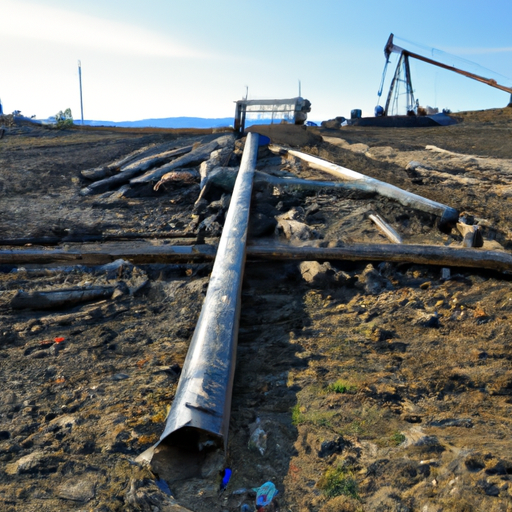
One of the primary reasons for conducting regular inspections is to identify potential issues before they escalate into significant problems. Over time, OCTG tubing and casing can experience wear and tear due to factors such as corrosion, fatigue, and mechanical damage. Corrosion, in particular, is a major concern, as it can compromise the integrity of the tubing and casing, leading to leaks or even complete failure. By implementing a routine inspection schedule, operators can detect early signs of corrosion and take corrective actions, such as applying protective coatings or replacing affected sections, thereby extending the lifespan of the equipment.
https://youtube.com/watch?v=TFftwFKh3XMMoreover, regular inspections contribute to the overall safety of drilling operations. The oil and gas industry is inherently risky, and any failure in the OCTG system can result in not only financial losses but also severe safety hazards for workers on-site. For instance, a sudden casing failure can lead to blowouts, which pose significant risks to personnel and the environment. By ensuring that OCTG tubing and casing are regularly inspected, operators can mitigate these risks and create a safer working environment. This proactive approach not only protects workers but also enhances the reputation of the Company, as safety is a paramount concern in the industry.
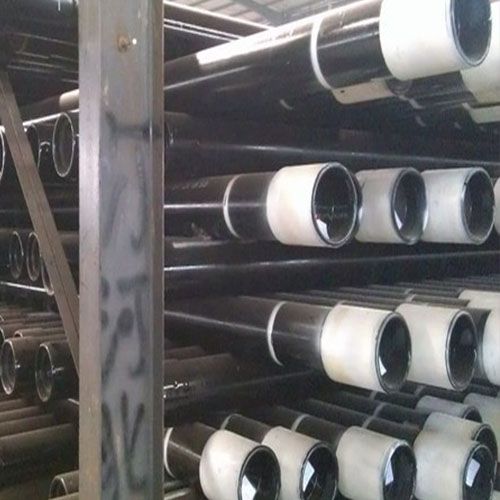
In addition to safety, regular inspections also have economic implications. The cost of replacing damaged or corroded OCTG tubing and casing can be substantial, not to mention the potential losses incurred from halted production or environmental cleanup efforts following a failure. By investing in routine inspections and maintenance, operators can identify and address issues early, ultimately saving money in the long run. Furthermore, maintaining the integrity of OCTG components can lead to improved operational efficiency, as well-maintained equipment is less likely to experience unexpected downtime.
Another critical aspect of regular inspection is compliance with industry regulations and standards. The oil and gas sector is subject to stringent regulations aimed at ensuring the safety and environmental protection of drilling operations. Regular inspections help operators demonstrate compliance with these regulations, thereby avoiding potential fines and legal issues. Additionally, adhering to industry standards can enhance a company’s credibility and foster trust among stakeholders, including investors, regulatory bodies, and the communities in which they operate.
In conclusion, the importance of regular inspection for OCTG tubing and casing cannot be overlooked. Through proactive maintenance, operators can identify potential issues before they escalate, ensuring the safety of personnel and the environment. Furthermore, regular inspections contribute to economic efficiency by preventing costly failures and ensuring compliance with industry regulations. As the oil and gas industry continues to evolve, the emphasis on safety, efficiency, and environmental responsibility will only grow, making regular inspection and maintenance of OCTG tubing and casing an essential practice for all operators in the field.
cases for a Pipe