Advanced material Selection for Enhanced Corrosion resistance
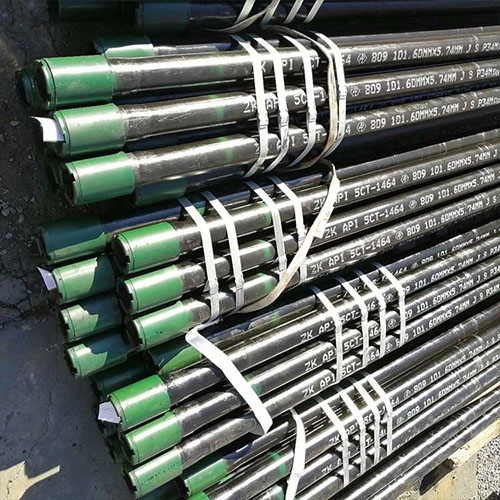
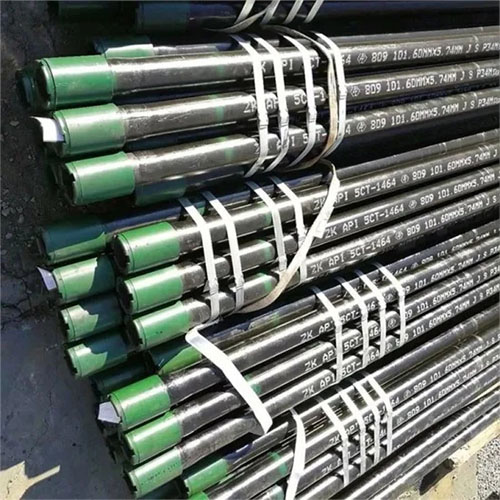
Oil casing, a critical component in Oil and gas extraction, has undergone significant advancements in design to enhance its service life expectancy. These innovations are primarily driven by the need for increased corrosion resistance, which is crucial for maintaining operational efficiency and minimizing environmental impact.
Traditionally, oil casing was manufactured using carbon steel, which provided adequate strength but was susceptible to corrosion in the harsh conditions encountered during oil extraction. Corrosion can lead to structural weakening, leaks, and ultimately, premature failure of the casing, resulting in costly Repairs and potential environmental contamination.
In response to these challenges, the oil and gas industry has turned to advanced material selection as a key strategy to improve corrosion resistance and extend the service life of oil casing. One of the most notable innovations in this regard is the use of corrosion-resistant alloys (CRAs), such as stainless steels and nickel alloys. These materials offer superior resistance to corrosion compared to carbon steel, making them ideal for protecting oil casing in corrosive environments.
Stainless steels, for instance, are known for their excellent resistance to various forms of corrosion, including pitting and crevice corrosion, which are common in saline environments encountered in offshore drilling operations. Nickel alloys, on the other hand, exhibit exceptional resistance to both oxidizing and reducing acids, making them suitable for withstanding the acidic conditions often found in sour gas wells.
In addition to CRAs, another innovative approach involves the application of protective coatings and linings on the oil casing. These coatings act as a barrier between the casing surface and corrosive elements in the surrounding environment, thereby significantly enhancing corrosion resistance. Common coating materials include epoxy, phenolic, and zinc coatings, each offering specific advantages in terms of adhesion strength, chemical resistance, and durability.
casingFurthermore, advancements in design engineering have contributed to improving the overall performance of oil casing. For example, Manufacturers are employing computer-aided design (CAD) and finite element analysis (FEA) techniques to optimize the geometry and thickness of casing components. This allows for better distribution of mechanical stresses and improves the casing’s ability to withstand external pressures and internal loads over an extended operational lifespan.
Moreover, the integration of smart technologies, such as sensors and monitoring systems, has revolutionized the way corrosion is detected and managed in oil casing. These technologies enable real-time monitoring of casing conditions, allowing operators to implement timely Maintenance and corrosion control measures before significant damage occurs.
In conclusion, the visionary design innovations in oil casing, driven by advanced material selection and enhanced corrosion resistance strategies, are pivotal in extending the service life expectancy of oil extraction equipment. By adopting corrosion-resistant alloys, protective coatings, advanced design techniques, and smart monitoring technologies, the oil and gas industry not only improves operational efficiency but also reduces environmental risks associated with equipment failure. Looking forward, continued research and development in materials science and engineering will play a crucial role in further enhancing the reliability and sustainability of oil casing systems worldwide.
Innovative Coating Technologies for Extended Durability
Oil casing’s visionary design innovation for increased service life expectancy
In the realm of oil extraction, technological advancements continually redefine operational efficiencies and environmental sustainability. Central to these advancements is the evolution of oil casing technologies, which play a pivotal role in safeguarding well integrity and optimizing production outputs. Among the latest innovations driving this sector forward are revolutionary coating technologies designed to extend the service life expectancy of oil casings.
Traditional Oil casing materials have historically faced challenges related to corrosion, abrasion, and mechanical wear, which can compromise the structural integrity of wells over time. Recognizing these limitations, engineers and materials scientists have collaborated to develop advanced coating solutions that mitigate these risks while enhancing overall performance. These coatings are meticulously formulated to withstand harsh downhole environments, where exposure to corrosive fluids, high temperatures, and abrasive agents poses significant threats.
One of the primary objectives of these innovative coatings is to provide a durable barrier against corrosion. Corrosion-resistant coatings not only protect the external surface of oil casings but also safeguard internal components from the detrimental effects of chemical interactions with formation fluids. By employing state-of-the-art materials such as epoxy resins, thermoplastic polymers, and ceramic composites, manufacturers have achieved significant breakthroughs in corrosion mitigation strategies. These materials not only enhance the longevity of oil casings but also contribute to minimizing maintenance requirements and operational downtime.
Furthermore, advancements in coating technologies have focused on improving the mechanical properties of oil casings. Abrasion-resistant coatings, for instance, are engineered to withstand the erosive forces encountered during well drilling and completion processes. These coatings are tailored to endure the rigors of hydraulic fracturing, Cementing operations, and well stimulation techniques, thereby prolonging the operational lifespan of casings in challenging geological formations.
In addition to durability enhancements, innovative coatings play a crucial role in promoting environmental sustainability within the oil and gas industry. By extending the service life of oil casings, these technologies reduce the frequency of casing replacements and associated material consumption, thereby minimizing the industry’s ecological footprint. Moreover, some advanced coatings are designed to facilitate easier casing removal and recycling at the end of their operational life, aligning with global efforts toward circular economy practices.
The deployment of these cutting-edge coating technologies underscores a broader commitment to enhancing well integrity and operational reliability across diverse geological environments. Through rigorous testing and validation processes, manufacturers ensure that coated oil casings meet stringent industry standards for performance, safety, and environmental stewardship. Collaborations between oilfield operators, service providers, and coating manufacturers continue to drive innovation in this critical domain, fostering a culture of continuous improvement and technological excellence.
Looking ahead, the evolution of oil casing coatings is poised to accelerate further with ongoing research into nanotechnology, biocompatible polymers, and self-healing materials. These frontier technologies hold the potential to redefine the capabilities of oilfield equipment, offering unprecedented levels of resilience, efficiency, and sustainability. As the industry embraces these advancements, stakeholders are poised to reap the benefits of enhanced asset longevity, reduced operational costs, and minimized environmental impact.
In conclusion, the integration of innovative coating technologies represents a transformative leap forward in the realm of oil casing design. By fortifying casings against corrosion, abrasion, and mechanical wear, these coatings bolster well integrity and optimize operational performance. As the oil and gas industry navigates toward a future defined by sustainability and efficiency, the evolution of oil casing coatings stands as a testament to the enduring spirit of innovation driving progress in energy extraction and production.
Structural Design Improvements for Higher Pressure and Temperature resistance
Oil casing’s visionary design innovation for increased service life expectancy
In the realm of oil exploration and production, the durability and reliability of oil casing play a pivotal role in ensuring operational success and safety. As demands for energy escalate and drilling operations move into increasingly challenging environments, the need for advanced structural design improvements becomes paramount. These improvements are not merely incremental but represent a visionary leap towards enhancing pressure and temperature resistance, thereby prolonging the service life expectancy of oil casing systems.
Historically, oil casing has evolved from basic steel tubes to sophisticated engineered structures capable of withstanding extreme conditions deep beneath the earth’s surface. The primary challenge lies in confronting the harsh environments characterized by high pressures, corrosive fluids, and fluctuating temperatures. Traditional casings often struggled to maintain integrity under such conditions, leading to costly failures and operational setbacks.
https://youtube.com/watch?v=rdX9NEKCzTgTo address these challenges, the industry has embraced a multifaceted approach to design innovation. One of the most significant advancements lies in the materials used. High-strength alloys and composite materials have replaced conventional steels, offering superior mechanical properties such as enhanced tensile strength, corrosion resistance, and fatigue endurance. These materials are meticulously engineered to withstand the relentless forces exerted during drilling and production phases, ensuring prolonged operational integrity.
Moreover, the geometrical design of oil casings has undergone substantial refinement. Innovations in casing profiles and configurations aim not only to optimize load-bearing capacity but also to improve hydraulic performance and wellbore stability. By carefully tailoring the geometry to specific well conditions, engineers can mitigate stresses and pressure differentials, thereby enhancing the overall reliability of the casing system.
In parallel, the manufacturing processes have been revolutionized to achieve tighter tolerances and superior quality control. Advanced welding techniques, precision machining, and Non-destructive testing protocols ensure that each casing component meets stringent performance standards. This meticulous attention to detail minimizes defects and vulnerabilities, crucially extending the operational lifespan of oil casing systems.
Furthermore, the integration of digital technologies has ushered in a new era of predictive maintenance and real-time monitoring. Smart sensors embedded within casing structures provide invaluable data on temperature, pressure, and mechanical stress. This real-time feedback enables operators to proactively identify potential issues before they escalate, thereby optimizing maintenance schedules and maximizing uptime.
The pursuit of sustainability has also influenced design innovations in oil casing. Efforts to reduce environmental impact have spurred developments in recyclable materials and eco-friendly coatings. By adopting greener practices, the industry not only meets regulatory requirements but also enhances its reputation as a responsible steward of natural resources.
Looking ahead, the future of oil casing design promises even greater advancements. Research into nanotechnology and composite materials holds the potential to further enhance mechanical properties while reducing Weight and material usage. Innovations in additive manufacturing may revolutionize production processes, offering bespoke casing solutions tailored to specific well conditions and operational requirements.
In conclusion, the evolution of oil casing design represents a triumph of engineering ingenuity and foresight. By embracing advanced materials, geometric optimization, stringent manufacturing standards, digital integration, and sustainable practices, the industry has significantly bolstered the durability and performance of oil casing systems. These innovations not only extend service life expectancy but also enhance operational efficiency and safety, ensuring that oil exploration and production can meet the challenges of today and tomorrow with confidence and resilience.