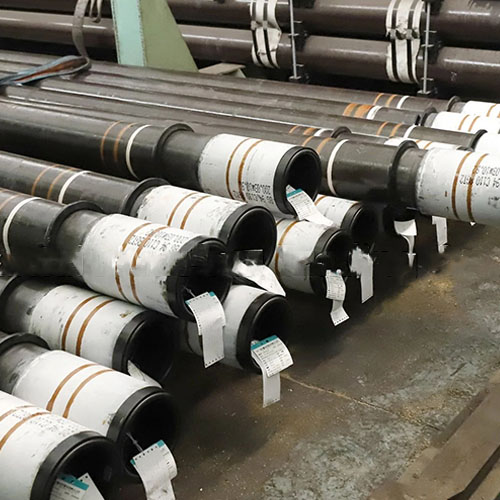
Overview of piping materials
Piping materials play a crucial role in various industries, influencing the efficiency, safety, and longevity of piping systems. Understanding the different types of materials available is essential for making informed decisions regarding their application. The selection of piping materials is often dictated by factors such as the nature of the fluid being transported, temperature and pressure conditions, environmental considerations, and economic factors. Among the most commonly used materials are metals, plastics, and composites, each offering unique advantages and disadvantages.
bushing best china ExporterMetals, particularly steel and copper, have long been favored for their strength and durability. Steel Pipes, for instance, are renowned for their ability to withstand high pressures and temperatures, making them ideal for industrial applications. They are often coated or treated to enhance their resistance to corrosion, which is a significant concern in many environments. On the other hand, copper pipes are widely used in plumbing systems due to their excellent thermal conductivity and resistance to corrosion. However, the rising cost of copper and its susceptibility to certain types of corrosion can limit its use in some applications.
In contrast to metals, plastic piping materials, such as polyvinyl chloride (PVC), polyethylene (PE), and polypropylene (PP), have gained popularity due to their lightWeight nature and resistance to corrosion. PVC is particularly common in drainage and irrigation systems, as it is cost-effective and easy to install. Additionally, its resistance to chemical corrosion makes it suitable for transporting a variety of fluids. Polyethylene, known for its flexibility and impact resistance, is often used in gas distribution and water supply systems. However, while plastic pipes are generally resistant to corrosion, they may not withstand high temperatures as effectively as metal pipes, which can limit their application in certain scenarios.
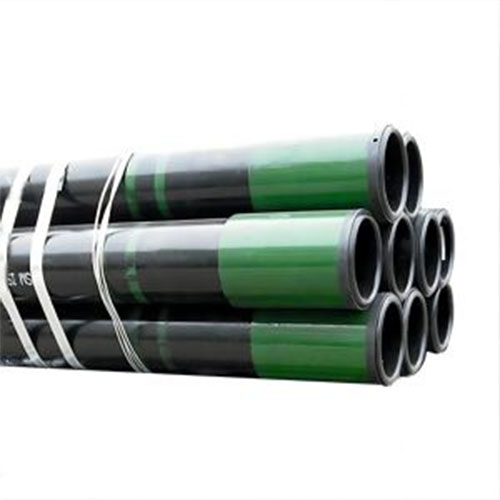
Composites, which combine materials to leverage the strengths of each, are also becoming increasingly prevalent in piping systems. These materials can offer enhanced performance characteristics, such as improved resistance to corrosion and lower weight compared to traditional materials. For example, fiberglass-reinforced plastic (FRP) pipes are known for their High strength-to-weight ratio and resistance to a wide range of chemicals, making them suitable for various industrial applications. However, the initial cost of composite materials can be higher than that of metals or plastics, which may deter some users despite their long-term benefits.
When selecting piping materials, it is essential to consider not only the physical and chemical properties of the materials but also the specific requirements of the application. Factors such as installation methods, Maintenance needs, and the potential for environmental impact should also be taken into account. For instance, while metal pipes may offer superior strength, their susceptibility to corrosion in certain environments necessitates regular maintenance and monitoring. Conversely, while plastic pipes may require less maintenance, their performance can be compromised under extreme temperature conditions.
https://youtube.com/watch?v=pE2PEEU66NM
In conclusion, the choice of piping materials is a critical decision that can significantly affect the performance and longevity of piping systems. By understanding the characteristics and applications of various materials, including metals, plastics, and composites, professionals can make informed choices that align with their specific needs. Ultimately, a thorough evaluation of the advantages and limitations of each material will lead to more effective and sustainable piping solutions.