production technology Advances in Oil and gas Industry
Production Technology Advances Factors of Market Price Fluctuation in oil casing
In the dynamic realm of the oil and gas industry, the price of oil casing is subject to fluctuation influenced by various factors, prominently among them being advancements in production technology. These technological strides have reshaped the landscape of oil extraction and processing, exerting significant influence on market dynamics and pricing trends.
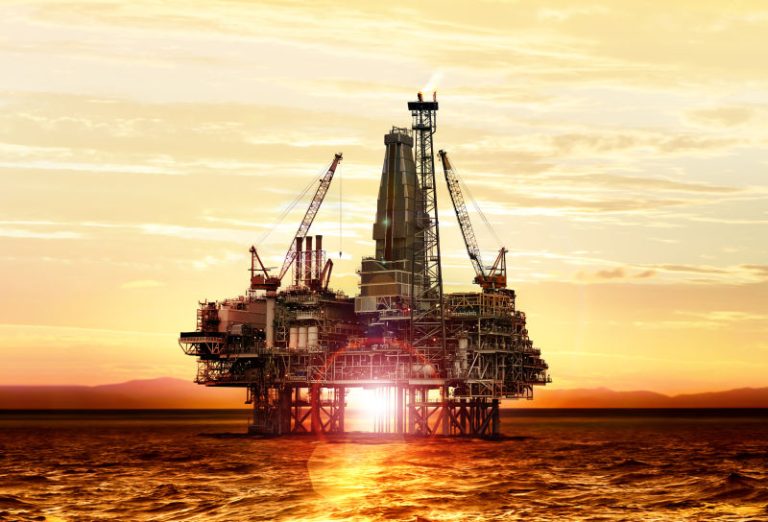
Historically, the price of oil casing has been closely linked to the costs associated with its extraction, refining, and transportation. However, with the advent of advanced production technologies, such as hydraulic fracturing (fracking) and horizontal drilling, the efficiency and cost-effectiveness of oil extraction have seen remarkable improvements. These innovations have enabled access to previously inaccessible reserves and enhanced the overall productivity of oil wells.
The implementation of hydraulic fracturing, for instance, has revolutionized the industry by allowing operators to extract oil from shale formations with unprecedented efficiency. This technology involves the injection of high-pressure fluid into the rock formations, creating fractures that release trapped hydrocarbons. The widespread adoption of fracking has significantly increased oil production in regions like the Permian Basin in the United States, thereby augmenting global supply and impacting market prices.
Moreover, advancements in horizontal drilling techniques have further bolstered production efficiency. Unlike conventional vertical wells, horizontal drilling allows operators to access multiple layers of oil-bearing rock from a single wellbore. This method maximizes reservoir contact and facilitates higher extraction rates, thus contributing to increased supply and potentially lowering market prices.
Beyond extraction techniques, technological innovations in oil refining and transportation have also played a pivotal role in price determination. Improved refining processes, including catalytic cracking and hydroprocessing, have enhanced the yield of high-quality products from crude oil. This increased efficiency not only meets stringent environmental standards but also reduces operational costs for refineries, exerting downward pressure on the prices of refined oil products and, consequently, on oil casing.
Furthermore, advancements in transportation infrastructure, such as Pipeline networks and tanker technologies, have optimized the distribution of crude oil and refined products across global markets. These developments have reduced logistical bottlenecks, minimized transportation costs, and ensured a more stable supply chain, thereby mitigating price volatility in the oil casing market.
https://youtube.com/watch?v=q2IbtWO5RVw
It is essential to recognize that while technological advancements have generally contributed to greater oil production efficiency and lower costs, they have also introduced complexities and uncertainties. The c APItal-intensive nature of deploying advanced technologies, coupled with regulatory and environmental considerations, can impose additional costs on oil producers. These factors may offset some of the potential downward pressure on market prices exerted by technological advancements.

Moreover, the interplay between technological innovation and market dynamics is not solely confined to the supply side. Demand factors, such as economic growth, geopolitical developments, and shifts in consumer preferences towards cleaner energy sources, also exert considerable influence on oil casing Prices. Technological advancements that enhance the extraction and processing of crude oil must therefore be viewed within the broader context of these demand-side variables to comprehensively assess their impact on market prices.
In conclusion, while production technology advances have undoubtedly transformed the oil and gas industry, their impact on the pricing of oil casing is multifaceted. These innovations have enhanced extraction efficiency, optimized refining processes, and streamlined transportation logistics, thereby influencing supply dynamics and exerting fluctuating pressures on market prices. Understanding the intricate relationship between technological progress and market fluctuations is crucial for stakeholders navigating the complexities of the global oil casing market in an era defined by rapid technological evolution.
Factors Influencing Market Price Fluctuation of Oil Casing
Production Technology Advances Factors of Market Price Fluctuation in Oil Casing
The market for oil casing is profoundly influenced by a confluence of factors, among which advancements in production technology play a pivotal role. As global energy demands evolve, so too does the complexity of extracting and transporting oil. Oil casing, a critical component in the drilling and extraction processes, faces price fluctuations driven not only by supply and demand dynamics but increasingly by innovations in production techniques.
Technological advancements in drilling methods have significantly impacted the production efficiency of oil and gas reserves worldwide. The shift towards unconventional sources such as shale oil has altered the traditional supply landscape, introducing variability in production volumes and resource accessibility. Innovations like hydraulic fracturing (fracking) and horizontal drilling have enabled access to previously untapped reservoirs, thereby expanding the potential supply of Oil casing materials.
Moreover, improvements in manufacturing processes have streamlined the production of oil casing materials, enhancing their quality and durability while reducing costs. Advanced metallurgical techniques have allowed for the development of alloys with superior strength and Corrosion resistance, crucial attributes for withstanding the harsh conditions encountered in oil extraction operations. These technological improvements not only lower production costs but also contribute to longer casing lifespans, thereby influencing the overall supply chain dynamics and market pricing.
The interplay between technological advancements and environmental regulations further complicates the market dynamics of oil casing. Stricter environmental standards necessitate the adoption of cleaner extraction technologies, which often require specialized casing materials that can withstand higher pressures and temperatures. The development of eco-friendly drilling fluids and casing materials reflects industry efforts to mitigate environmental impact while maintaining operational efficiency, albeit at potentially higher costs.
Geopolitical factors also exert considerable influence on the pricing of oil casing. Political instability in major oil-producing regions can disrupt supply chains and lead to sudden spikes or declines in demand for casing materials. Trade policies and tariffs imposed on steel and other raw materials used in casing production further exacerbate price volatility, creating a challenging operating environment for Manufacturers and consumers alike.
Furthermore, market sentiment and investor speculation play a significant role in shaping the price fluctuations of oil casing. Perceptions of future supply and demand conditions, coupled with macroeconomic indicators such as interest rates and currency exchange rates, influence investment decisions in oil exploration and production. As a result, fluctuations in oil prices can quickly translate into corresponding movements in the pricing of casing materials, reflecting broader market sentiments and investor expectations.
In conclusion, while traditional supply and demand fundamentals remain fundamental drivers of price fluctuations in the oil casing market, technological advancements have emerged as a critical determinant in recent years. The ongoing evolution of production techniques and materials engineering continues to reshape the dynamics of oil extraction and processing, influencing both the supply side capabilities and the demand dynamics for oil casing. As the industry navigates the complexities of global energy transitions and regulatory frameworks, the role of technological innovation in shaping market prices for oil casing is expected to grow in significance, highlighting the interconnected nature of technological progress, market dynamics, and geopolitical influences in the energy sector.
Innovations Driving Efficiency in Oil Casing Manufacturing
Production Technology Advances Factors of Market Price Fluctuation in Oil Casing
In the realm of oil production, technological advancements continually reshape the landscape, influencing not only operational efficiency but also market dynamics. Nowhere is this more evident than in the manufacturing of oil casing, a critical component that protects and stabilizes wells during extraction processes. Recent innovations in production technology have not only enhanced efficiency but also played a significant role in influencing market price fluctuations of oil casing.
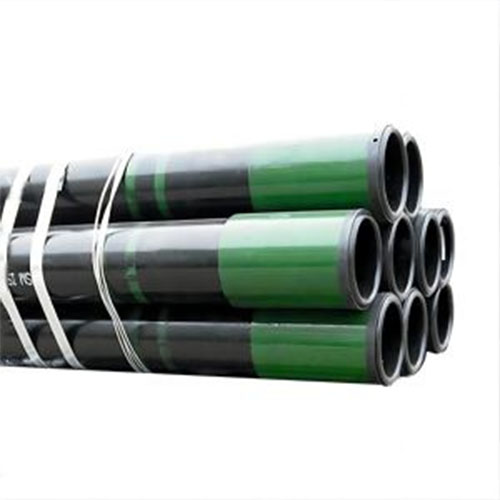
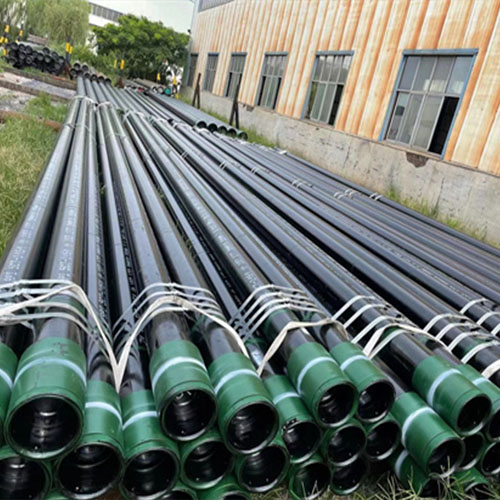
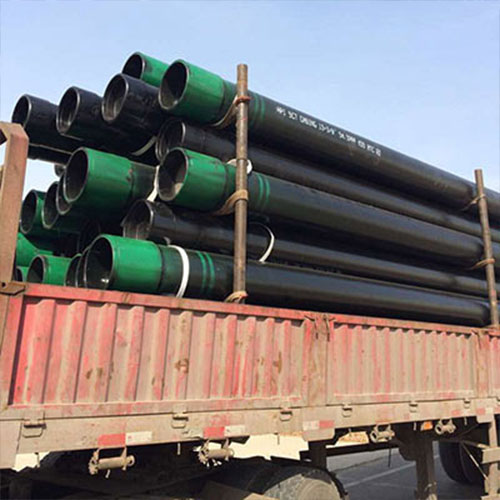
oil tube best china Suppliers
Traditionally, the manufacturing process of oil casing involved substantial labor and time-intensive procedures. However, with the advent of advanced manufacturing technologies such as automated welding systems and computer numerical control (CNC) machining, the landscape has shifted dramatically. These technologies have enabled manufacturers to streamline production processes, reduce lead times, and improve precision in the fabrication of oil casing components.
The integration of robotics and automation in manufacturing facilities has further bolstered efficiency. Automated systems can now handle repetitive tasks with unparalleled consistency and speed, minimizing errors and optimizing material usage. This level of precision is crucial in meeting stringent industry standards and specifications demanded by oil producers worldwide.
Moreover, advancements in material science have expanded the range of materials available for oil casing production. High-strength alloys and composite materials offer superior resistance to corrosion, abrasion, and high pressures, extending the operational lifespan of oil wells and reducing Maintenance costs. The ability to customize casing materials according to specific geological conditions enhances the overall reliability and performance of oil extraction operations.
Beyond the manufacturing floor, digitalization has revolutionized supply chain management in the oil casing industry. Real-time data analytics and predictive maintenance algorithms optimize inventory management and production scheduling. This proactive approach not only minimizes downtime but also ensures timely delivery of casing products to meet fluctuating market demands.
In recent years, environmental considerations have also shaped technological advancements in oil casing production. Sustainable practices such as eco-friendly coatings and recyclable materials are gaining traction, driven by regulatory pressures and industry initiatives towards reducing carbon footprints. Manufacturers are increasingly investing in research and development to innovate greener solutions without compromising the integrity and performance of oil casing.
The interconnected nature of these technological advancements underscores their collective impact on market price fluctuations of oil casing. As production becomes more efficient and responsive to market dynamics, manufacturers can adapt swiftly to changes in demand-supply equilibrium, thereby influencing pricing trends. The ability to scale production capabilities in response to global oil market shifts positions manufacturers strategically in a competitive landscape.
Furthermore, geopolitical factors and global economic conditions remain pivotal in shaping the price dynamics of oil casing. Technological innovations, while significant, operate within a broader context of supply chain resilience and market volatility. Manufacturers must navigate these multifaceted challenges with agility and foresight, leveraging technological advancements as a catalyst for sustainable growth and profitability.
Looking ahead, the future of oil casing manufacturing will likely be characterized by continued innovation and adaptation to emerging market trends. Advances in artificial intelligence and machine learning hold promise for further optimizing production processes and predictive maintenance strategies. The evolution towards smart Factories equipped with Internet of Things (IoT) sensors will enable real-time monitoring and autonomous decision-making, revolutionizing operational efficiency and cost management.
In conclusion, the convergence of production technology advancements and market dynamics plays a pivotal role in shaping the fluctuating prices of oil casing. From enhanced manufacturing processes to sustainable practices and digital transformation, these factors collectively drive efficiency and resilience in the oil and gas industry. As manufacturers continue to innovate and collaborate, the outlook for oil casing remains intertwined with technological progress, positioning the industry for sustained growth amid evolving global challenges.