Overview of Changes in API 5ct 10th edition: A Comprehensive Guide
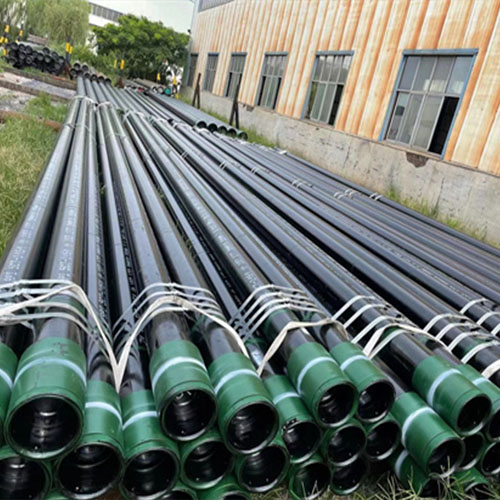
The Oil and gas industry operates within a framework of standards and regulations to ensure safety, efficiency, and reliability. One such crucial standard is the American petroleum Institute (API) specification 5CT, which governs the specifications for casing and Tubing used in oil and gas wells. Recently, the API released the 10th edition of API 5CT, bringing significant changes and updates to the requirements. In this article, we will provide an overview of the key changes introduced in the new edition.
Firstly, it’s essential to understand the motivation behind the revisions. The oil and gas industry is constantly evolving, with advancements in technology, operational practices, and industry standards. The updates to API 5CT aim to align with these changes, incorporating lessons learned from past experiences and leveraging new technologies to enhance well integrity and operational efficiency.
https://youtube.com/watch?v=1hWUnHt3JmEOne notable change in the 10th edition is the expanded scope of material requirements. The new edition introduces stricter guidelines for material selection, including enhanced requirements for steel chemistry, mechanical properties, and testing procedures. These changes are designed to improve the quality and performance of casing and tubing, ultimately enhancing the integrity of oil and gas wells.
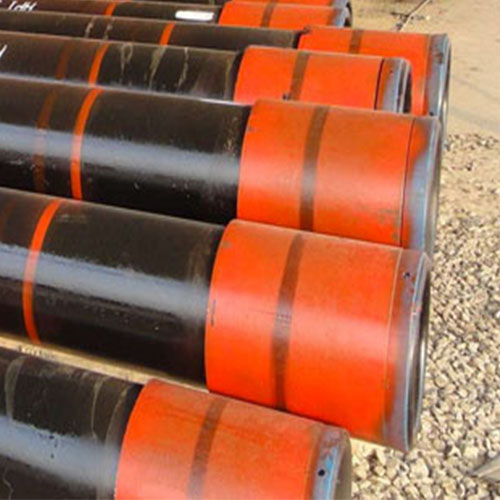
Furthermore, the 10th edition introduces updated requirements for casing and tubing connections. This includes revised criteria for Thread design, makeup torque, and testing procedures. By standardizing these requirements, the API aims to improve the reliability and compatibility of connections across different Manufacturers, reducing the risk of connection failures and enhancing well integrity.
oil Pipe screwfixIn addition to material and connection requirements, the 10th edition of API 5CT also includes updates to inspection and testing procedures. The new edition introduces enhanced guidelines for Non-destructive testing (NDT) techniques, such as electromagnetic inspection and ultrasonic testing, to detect potential defects in casing and tubing more accurately. These improvements in inspection procedures contribute to early detection of issues, reducing the risk of well failures and minimizing downtime.
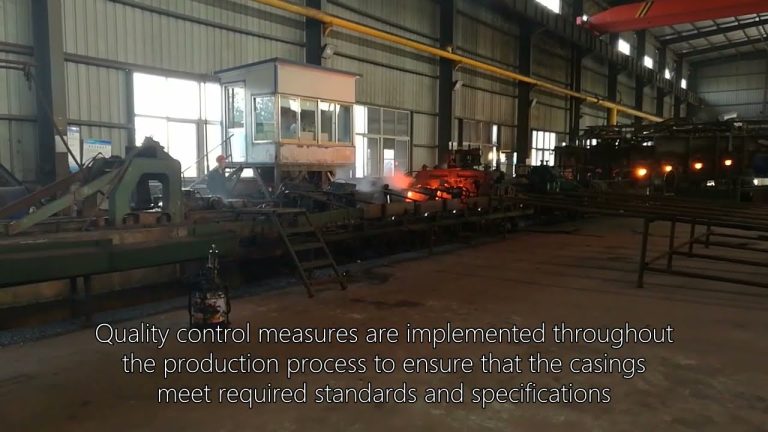
Moreover, the 10th edition emphasizes the importance of quality management systems (QMS) in the manufacturing and supply of casing and tubing products. Manufacturers are required to implement robust QMS processes to ensure compliance with API specifications and regulatory requirements. This includes procedures for material traceability, process control, and product documentation, all of which are essential for maintaining product quality and integrity throughout the supply chain.
transitioning to the new edition of API 5CT requires collaboration and coordination among stakeholders, including operators, service Companies, and regulatory authorities. Training and education programs are essential to ensure that all parties involved understand the changes and comply with the updated requirements effectively. By fostering a culture of continuous improvement and knowledge sharing, the industry can adapt to the new edition seamlessly and reap the benefits of enhanced well integrity and operational efficiency.
In conclusion, the 10th edition of API 5CT introduces significant changes and updates to the requirements for casing and tubing used in oil and gas wells. From material specifications to inspection procedures, the new edition aims to enhance well integrity and operational efficiency, reflecting the evolving needs and challenges of the oil and gas industry. By embracing these changes and working together collaboratively, stakeholders can ensure safe and sustainable operations in the exploration and production of hydrocarbon resources.
Implementing the New Reminder System for API 5CT 10th Edition Compliance
In the realm of oil and gas exploration and production, adherence to industry standards is paramount. These standards ensure the safety, reliability, and efficiency of operations, ultimately safeguarding both personnel and the environment. Among these standards, the American Petroleum Institute (API) plays a central role in establishing guidelines and specifications that govern various aspects of the industry. One such critical standard is API 5CT, which pertains to casing and tubing specifications. With the release of the 10th edition of API 5CT, it becomes imperative for companies to implement a robust reminder system to ensure compliance with the updated requirements.
The API 5CT standard undergoes periodic revisions to incorporate advancements in technology, industry best practices, and lessons learned from past experiences. The 10th edition of API 5CT introduces several significant changes aimed at enhancing safety, quality, and operational efficiency in casing and tubing operations. These changes encompass revisions to material requirements, inspection procedures, and documentation standards, among others.
For companies operating in the oil and gas sector, transitioning to the new edition of API 5CT necessitates a systematic approach. Implementing a reminder system serves as a proactive measure to ensure that all stakeholders are aware of the updated requirements and deadlines for compliance. Such a system helps prevent oversights and ensures timely action, thereby mitigating the risk of non-compliance penalties and operational disruptions.
Central to the effectiveness of the reminder system is clear communication and accountability. Companies must establish channels through which information regarding the new API 5CT 10th edition requirements can be disseminated to relevant personnel. This may involve conducting training sessions, distributing informational materials, and appointing designated individuals or teams responsible for overseeing compliance efforts.
In addition to disseminating information, the reminder system should incorporate mechanisms for tracking progress and verifying compliance status. This may entail the use of digital tools such as compliance management software, which enables real-time monitoring of tasks, deadlines, and documentation requirements. By leveraging technology, companies can streamline compliance efforts and minimize the administrative burden associated with manual tracking methods.
Furthermore, the reminder system should incorporate periodic reviews and audits to assess the effectiveness of compliance measures and identify areas for improvement. Regular audits help identify any deviations from the prescribed standards and prompt corrective action to address underlying issues promptly. By fostering a culture of continuous improvement, companies can enhance their overall compliance posture and adapt to evolving regulatory requirements.
Effective implementation of the reminder system also requires collaboration and cooperation among various stakeholders, including internal departments, external partners, and regulatory authorities. Companies must foster a culture of collaboration wherein all parties are actively engaged in achieving compliance objectives. This may involve establishing partnerships with Suppliers, service providers, and industry associations to exchange knowledge and best practices.
Ultimately, the successful implementation of a reminder system for API 5CT 10th edition compliance hinges on proactive planning, clear communication, and diligent execution. By investing in robust reminder mechanisms and fostering a culture of compliance, companies can navigate the transition smoothly and uphold the highest standards of safety and quality in casing and tubing operations. As the industry continues to evolve, maintaining compliance with regulatory standards remains a cornerstone of sustainable and responsible oil and gas production.