Benefits of Using cold Rolled steel in Construction projects
Cold rolled steel is a popular material used in construction projects due to its many benefits. But what exactly makes it the best choice for these applications? Let’s explore the advantages of using cold rolled steel in construction projects.
One of the main benefits of cold rolled steel is its superior strength and durability. Cold rolling is a process that involves passing the steel through rollers at room temperature, which results in a stronger and more durable material compared to hot rolled steel. This makes cold rolled steel ideal for construction projects that require a high level of structural integrity and longevity.
In addition to its strength, cold rolled steel also offers excellent dimensional accuracy and surface finish. The cold rolling process allows for tighter tolerances and smoother surfaces, making it easier to work with and ensuring a more polished final product. This is especially important in construction projects where precision and aesthetics are key considerations.

Another advantage of cold rolled steel is its versatility. Cold rolled steel can be easily shaped and formed into a variety of different shapes and sizes, making it suitable for a wide range of construction applications. Whether you need beams, channels, angles, or plates, cold rolled steel can be customized to meet your specific requirements.
Furthermore, cold rolled steel is known for its consistency and uniformity. Unlike hot rolled steel, which can have variations in thickness and strength due to the heating and cooling process, cold rolled steel is more consistent in its properties. This ensures that the material will perform reliably and predictably in construction projects, reducing the risk of structural failures or defects.
In addition to its physical properties, cold rolled steel is also environmentally friendly. The cold rolling process consumes less energy and produces less waste compared to hot rolling, making it a more sustainable option for construction projects. By choosing cold rolled steel, you can reduce your carbon footprint and contribute to a greener building industry.
Overall, the benefits of using cold rolled steel in construction projects are clear. From its superior strength and durability to its versatility and environmental friendliness, cold rolled steel offers a range of advantages that make it the best choice for many applications. Whether you are building a skyscraper, a bridge, or a residential home, cold rolled steel can provide the strength, precision, and reliability you need to ensure a successful project.
https://youtube.com/watch?v=Z0hn2ksAgYM
In conclusion, cold rolled steel is the best choice for construction projects due to its many benefits. Its superior strength, dimensional accuracy, versatility, consistency, and sustainability make it a top choice for builders and contractors looking for a reliable and high-quality material. By choosing cold rolled steel for your next construction project, you can ensure a strong and durable structure that will stand the test of time.
Comparing Cold Rolled Steel to Hot Rolled Steel: Which is Better for Your Project?
Cold rolled steel and hot rolled steel are two common types of steel used in various industries for different applications. While both types of steel have their own unique characteristics and advantages, it is important to understand the differences between them in order to determine which is best suited for your project.
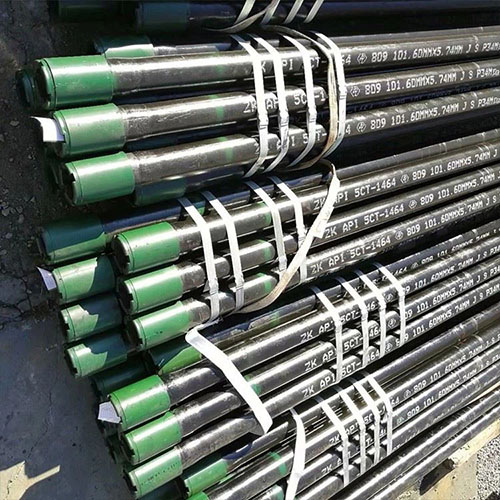
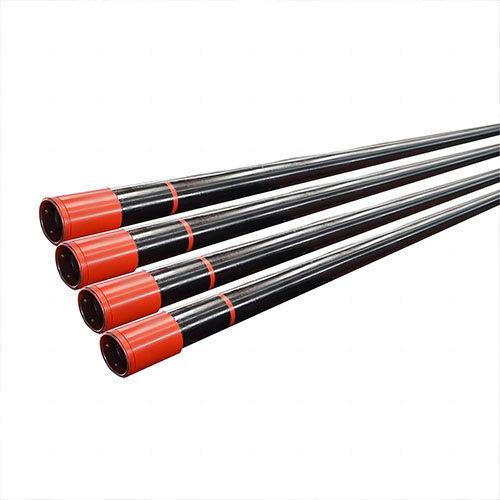
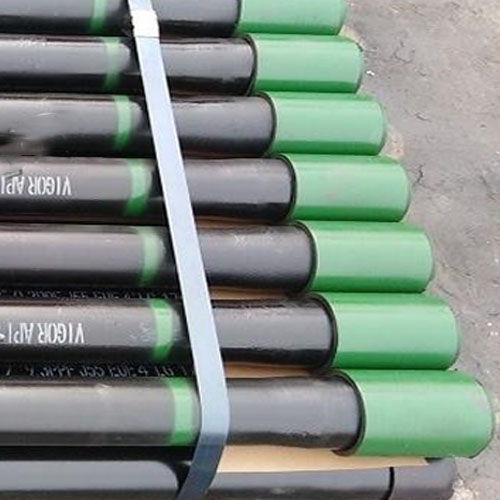
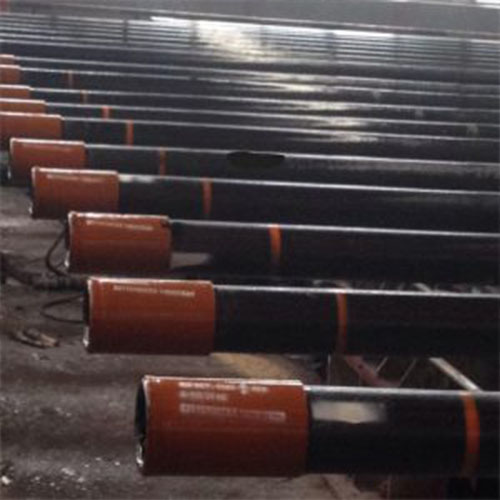
API 5ct J55 casing Supplier
Cold rolled steel is processed at room temperature, which results in a smoother surface finish and tighter tolerances compared to hot rolled steel. This makes cold rolled steel ideal for applications that require a high level of precision and a clean, polished appearance. Cold rolled steel is also known for its superior strength and durability, making it a popular choice for structural components, automotive parts, and appliances.
On the other hand, hot rolled steel is processed at high temperatures, which results in a rougher surface finish and looser tolerances compared to cold rolled steel. While hot rolled steel is not as precise or aesthetically pleasing as cold rolled steel, it is more cost-effective and easier to work with. Hot rolled steel is commonly used in construction, manufacturing, and welding applications where precision is not as critical.
When comparing cold rolled steel to hot rolled steel, it is important to consider the specific requirements of your project. If you need a high level of precision and a smooth surface finish, cold rolled steel may be the best option for you. However, if cost-effectiveness and ease of fabrication are more important, hot rolled steel may be the better choice.
In terms of strength and durability, cold rolled steel is generally considered to be superior to hot rolled steel. The cold rolling process results in a stronger and more uniform grain structure, which gives cold rolled steel greater tensile strength and resistance to bending and deformation. This makes cold rolled steel ideal for applications that require high levels of strength and durability.
While hot rolled steel is not as strong or durable as cold rolled steel, it is more malleable and easier to shape and form. This makes hot rolled steel a popular choice for applications that require complex shapes and designs, such as structural beams, Pipes, and Tubing. Hot rolled steel is also more ductile than cold rolled steel, which allows it to be easily welded and formed into various shapes.
In conclusion, both cold rolled steel and hot rolled steel have their own unique characteristics and advantages. The best type of steel for your project will depend on your specific requirements and budget. If precision and strength are important factors, cold rolled steel may be the best option for you. However, if cost-effectiveness and ease of fabrication are more important, hot rolled steel may be the better choice. Ultimately, the decision between cold rolled steel and hot rolled steel will depend on the specific needs of your project and the desired outcome.