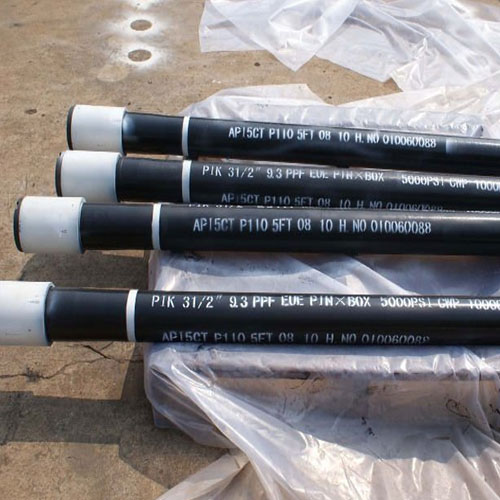
Analyzing Market Trends and Price Determinants for API 5ct N80, L80, P110 seamless steel carbon casing and Oil Pipes
In the complex world of industrial materials, the pricing of API 5CT N80, L80, P110 seamless steel carbon casing and oil pipes is influenced by a myriad of factors that intertwine global economics with sector-specific dynamics. These materials, crucial for the Oil and gas industry, serve as the structural retainer for the walls of oil and gas wells, thus their market demand directly correlates with the energy sector’s operational status and expansion activities.
The API 5CT specification standardizes the properties of casing and Tubing, essential for the safe and efficient production from oil wells. The grades N80, L80, and P110 denote varying levels of mechanical properties and resistance to corrosion, with P110 being the highest grade in terms of performance and, consequently, cost. Understanding the pricing scenario for these materials requires a deep dive into several influencing factors including raw material costs, manufacturing processes, geopolitical influences, and market demand.
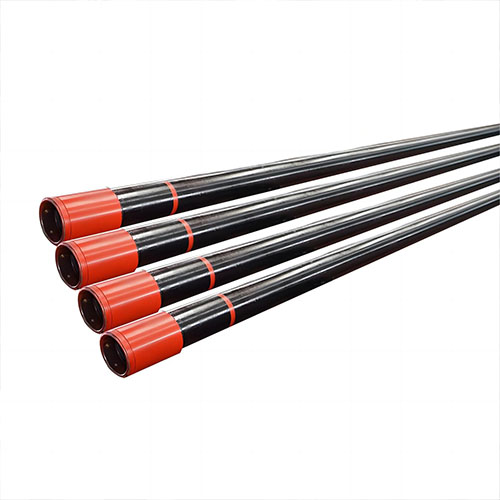
Raw material costs are perhaps the most volatile of the determinants. Steel, the primary raw material for these pipes, is a commodity heavily influenced by global supply and demand. prices for iron ore, coking coal, and scrap metal can fluctuate widely due to changes in global economic conditions, trade policies, and supply chain disruptions. For instance, tariffs imposed on steel imports can elevate material costs, which in turn affects the pricing of steel products, including casing and tubing.
Manufacturing processes also play a significant role in the final cost. The production of seamless steel pipes is more resource-intensive compared to other types, involving complex extraction and refinement processes. Advanced technologies and efficient production techniques can mitigate some of these costs, but the capital-intensive nature of the industry poses a significant barrier to entry, limiting competition and potentially keeping prices high.
Geopolitical factors are another critical element. Oil and gas industries are significantly impacted by political stability in resource-rich regions, regulatory changes, and shifts in energy policies. For example, an increase in environmental regulations can lead to higher compliance costs for Manufacturers, which may be passed on to the consumers in the form of increased prices. Additionally, political instability in regions that supply raw materials can lead to supply shortages, pushing up prices temporarily.
Market demand is directly tied to the global energy sector’s performance. An uptick in oil and gas exploration and drilling activities typically boosts demand for casing and tubing. Conversely, a downturn in the oil market, such as that experienced during the COVID-19 pandemic, can lead to an oversupply of these materials, causing prices to drop. The transition towards renewable energy sources also poses a long-term challenge to demand, potentially leading to lower prices as the sector contracts.
https://youtube.com/watch?v=goTqY010yDA
In conclusion, the pricing of API 5CT N80, L80, P110 seamless steel carbon casing and oil pipes is a complex interplay of various factors. Stakeholders in the industry must continuously monitor these elements to navigate the volatile market effectively. Understanding these dynamics not only helps in making informed purchasing decisions but also in strategic planning and forecasting for businesses involved in the oil and gas sector. As the industry evolves with technological advancements and shifts in global energy policies, so too will the factors that determine the cost of these essential materials.
oil pipe spill