Oil casing in Offshore drilling Operations
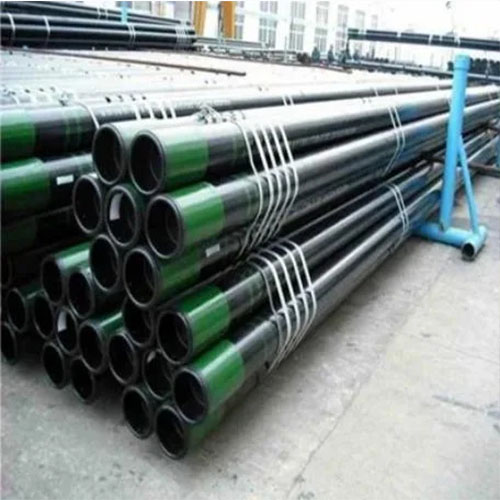
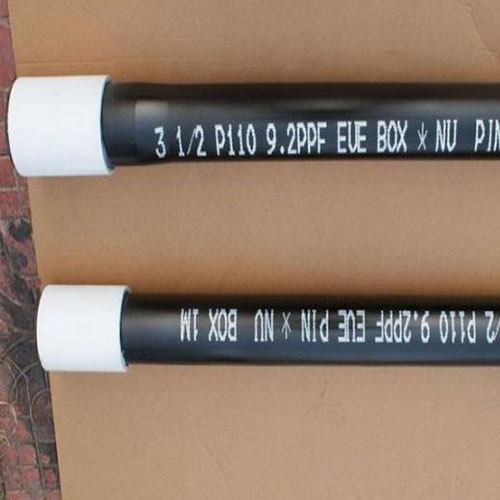
Oil casing plays a crucial role in offshore drilling operations, providing structural support and protection for the wellbore. The casing is a large-Diameter Pipe that is inserted into the drilled hole and cemented in place to prevent collapse and leakage of fluids. It also serves as a conduit for the extraction of Oil and gas from the reservoir to the surface. In this article, we will explore the determined application areas of oil casing in offshore drilling operations.
One of the primary functions of oil casing is to isolate different geological formations and prevent the mixing of fluids. This is essential for maintaining well integrity and ensuring the safety and efficiency of the drilling operation. By using multiple layers of casing with varying diameters and properties, engineers can create a barrier between the wellbore and surrounding rock formations, reducing the risk of blowouts and other well control issues.
https://youtube.com/watch?v=W7UwxDk5yUQIn addition to providing structural support and isolation, oil casing also plays a critical role in well completion and production. Once the drilling process is complete, the casing is perforated to allow oil and gas to flow into the wellbore. The casing also helps to control the flow of fluids and prevent the migration of contaminants into the reservoir. By carefully selecting the appropriate casing design and materials, engineers can optimize production rates and maximize the recovery of hydrocarbons from the reservoir.
Another important application area of oil casing in offshore drilling operations is wellbore stability. As the drilling process progresses, the wellbore is subjected to high pressures, temperatures, and mechanical stresses. Without proper casing support, the wellbore can collapse or become damaged, leading to costly delays and potential environmental hazards. By using high-strength casing materials and advanced design techniques, engineers can ensure the stability and integrity of the wellbore throughout the drilling process.
Furthermore, oil casing is also used to protect the environment and minimize the impact of drilling operations on marine ecosystems. By using casing with corrosion-resistant coatings and leak detection systems, operators can prevent the release of harmful chemicals and contaminants into the surrounding environment. In addition, casing can be designed to withstand extreme weather conditions and seismic events, reducing the risk of spills and other accidents.
Overall, the determined application areas of oil casing in offshore drilling operations are diverse and essential for the success of the project. From providing structural support and isolation to optimizing production rates and protecting the environment, oil casing plays a critical role in every stage of the drilling process. By understanding the unique challenges and requirements of offshore drilling operations, engineers can design and implement effective casing solutions that ensure the safety, efficiency, and sustainability of the project.
Oil Casing in Onshore Drilling Operations
Oil casing plays a crucial role in onshore drilling operations, providing structural support and protection for the wellbore. The casing is a large-diameter pipe that is inserted into the drilled hole and cemented in place to prevent collapse and ensure the integrity of the well. In addition to providing support, oil casing also serves several other important functions in onshore drilling operations.
One of the primary application areas of oil casing is to isolate different geological formations and prevent the mixing of fluids. In onshore drilling operations, it is common to encounter multiple layers of rock and soil with varying properties. By installing casing at strategic depths, operators can isolate these formations and prevent the migration of fluids between them. This is essential for maintaining well control and preventing contamination of the surrounding environment.
Another important application area of oil casing is to provide a conduit for the extraction of oil and gas from the well. Once the drilling process is complete, the casing serves as a pathway for the production fluids to flow to the surface. The casing is equipped with production Tubing and other equipment that allow operators to control the flow of fluids and extract valuable resources from the well. Without casing, it would be impossible to safely and efficiently produce oil and gas from onshore wells.
In addition to these primary functions, oil casing also plays a role in well completion and stimulation operations. After the casing is installed, operators may perform hydraulic fracturing or other stimulation techniques to enhance the productivity of the well. The casing provides a barrier between the wellbore and the surrounding formations, allowing operators to safely inject fluids and create fractures in the rock. This process is essential for maximizing the production potential of onshore wells and increasing overall recovery rates.
Furthermore, oil casing is also used to protect the wellbore from external pressures and environmental factors. In onshore drilling operations, wells are often subjected to high temperatures, corrosive fluids, and other harsh conditions. The casing acts as a barrier that shields the wellbore from these external forces, ensuring the long-term integrity and stability of the well. Without proper casing, wells would be vulnerable to damage and failure, leading to costly Repairs and potential environmental hazards.
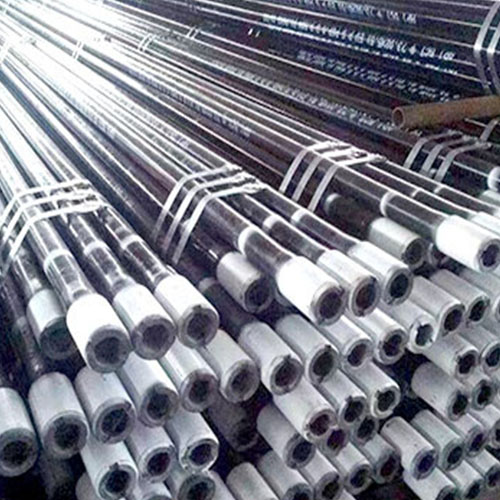
Overall, the application areas of oil casing in onshore drilling operations are diverse and essential for the success of oil and gas production. From providing structural support and isolation of formations to facilitating production and protecting the wellbore, casing plays a critical role in every stage of the drilling process. Operators must carefully design and install casing to ensure the safety, efficiency, and sustainability of onshore wells. By understanding the importance of oil casing and its various applications, operators can optimize their drilling operations and maximize the potential of their assets.
Oil Casing in Hydraulic Fracturing processes
Oil casing plays a crucial role in the extraction of oil and gas from deep underground reservoirs. It is a critical component in the hydraulic fracturing process, which involves injecting a mixture of water, sand, and chemicals into the wellbore at high pressure to create fractures in the rock formation and release the trapped hydrocarbons. In this article, we will explore the determined application areas of oil casing in hydraulic fracturing processes.
One of the primary functions of oil casing in hydraulic fracturing is to provide structural support to the wellbore. The casing is typically made of steel and is designed to withstand the high pressures and temperatures encountered during the fracturing process. It helps to prevent the collapse of the wellbore and ensures that the fractures created in the rock formation remain open, allowing for the efficient extraction of oil and gas.
In addition to providing structural support, oil casing also serves as a barrier to prevent the migration of fluids between different geological formations. This is particularly important in hydraulic fracturing, where the injected fluids can interact with the surrounding rock formations and potentially contaminate groundwater sources. The casing helps to isolate the wellbore and protect the surrounding environment from any potential leaks or spills.
Another important application area of oil casing in hydraulic fracturing is zonal isolation. In this process, multiple layers of casing are installed in the wellbore to isolate different sections of the rock formation and control the flow of fluids during the fracturing process. This allows for more precise control over the injection and extraction of fluids and helps to maximize the efficiency of the fracturing operation.
drivepipe Wholesale PriceOil casing is also used to facilitate the installation of downhole equipment, such as pumps, sensors, and other tools, that are necessary for the operation of the well. The casing provides a stable platform for these devices and helps to protect them from the harsh conditions encountered in the wellbore. This ensures that the equipment remains operational and allows for the efficient monitoring and control of the fracturing process.
Overall, oil casing plays a critical role in the success of hydraulic fracturing operations. It provides structural support, zonal isolation, and protection for downhole equipment, helping to ensure the safe and efficient extraction of oil and gas from deep underground reservoirs. By understanding the determined application areas of oil casing in hydraulic fracturing processes, operators can optimize their well designs and maximize the productivity of their operations.
In conclusion, oil casing is an essential component in the hydraulic fracturing process, providing structural support, zonal isolation, and protection for downhole equipment. Its determined application areas are crucial for the success of fracturing operations and the efficient extraction of oil and gas from deep underground reservoirs. By utilizing oil casing effectively, operators can ensure the safety and sustainability of their operations while maximizing their production rates.