Understanding the grades of steel in API standards
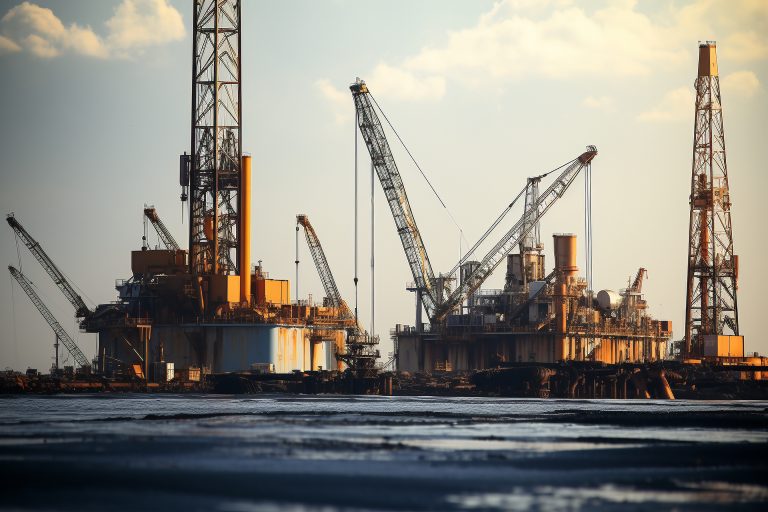
Steel plays a crucial role in various industries, including Oil and gas. The American petroleum Institute (API) has established standards for different grades of steel used in the production of Pipes, valves, and other equipment in the oil and gas sector. Understanding the grades of steel in API standards is essential for ensuring the safety and reliability of these critical components.
API standards categorize steel grades based on their mechanical properties and chemical composition. The most common grades of steel used in API standards are API 5L for line pipes and api 5ct for casing and Tubing. These grades are further divided into different categories based on their yield strength and toughness.
difference between casing and tubingAPI 5L is a standard specification for seamless and welded steel pipes suitable for conveying gas, water, and oil in the natural gas and petroleum industries. The grades of steel in API 5L include API 5L Grade A, B, X42, X46, X52, X56, X60, X65, X70, X80. Each grade has specific requirements for chemical composition, tensile strength, and impact toughness to ensure its suitability for different applications.
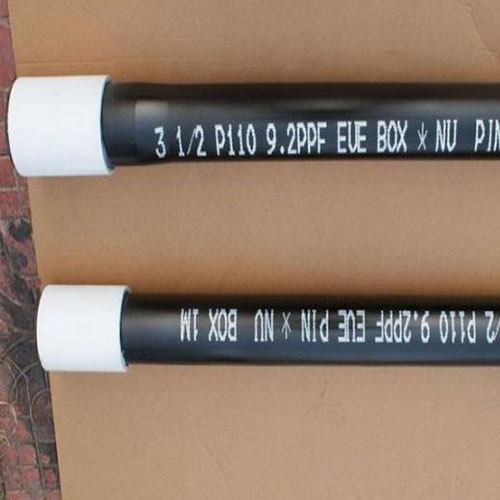
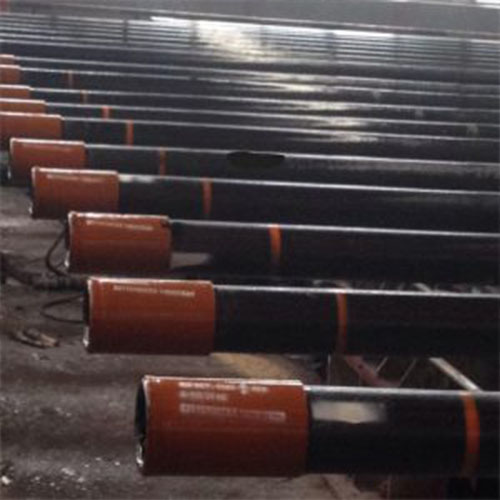
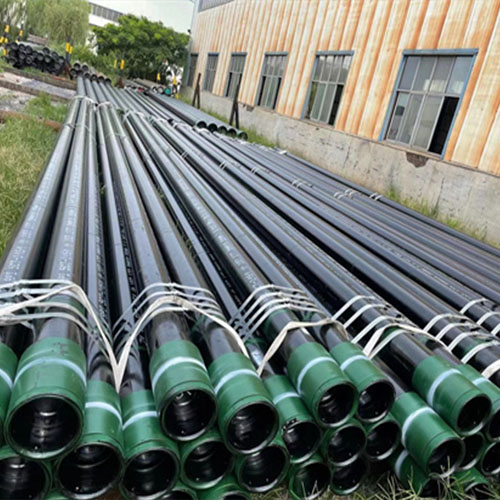
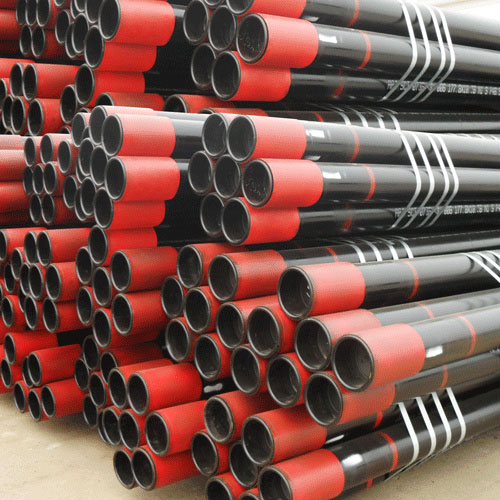
API 5CT, on the other hand, covers the specifications for casing and tubing used in oil and gas wells. The grades of steel in API 5CT include api J55, K55, N80, L80, C90, T95, P110, Q125. These grades are classified based on their yield strength and are designed to withstand the harsh conditions encountered in oil and gas drilling operations.
https://youtube.com/watch?v=1hWUnHt3JmEAPI steel grades are designed to meet specific performance requirements, such as resistance to corrosion, high pressure, and extreme temperatures. For example, API 5L Grade X52 is commonly used for pipelines transporting oil and gas in challenging environments, thanks to its high yield strength and excellent weldability.
In addition to the mechanical properties, the chemical composition of steel plays a critical role in determining its suitability for a particular application. API steel grades are formulated with specific levels of carbon, manganese, sulfur, phosphorus, and other elements to achieve the desired combination of strength, toughness, and Corrosion resistance.
When selecting a grade of steel for a particular application, it is essential to consider factors such as operating conditions, environmental factors, and regulatory requirements. Choosing the right grade of steel can help ensure the longevity and reliability of equipment in the oil and gas industry.
In conclusion, understanding the grades of steel in API standards is essential for ensuring the safety, reliability, and performance of equipment used in the oil and gas industry. By adhering to API specifications and selecting the appropriate grade of steel for specific applications, Companies can mitigate risks and optimize the efficiency of their operations.
Exploring the Properties and Applications of Different Steel Grades in API Specifications
Steel plays a crucial role in various industries due to its strength, durability, and versatility. In the oil and gas industry, the American Petroleum Institute (API) has established specifications for different grades of steel used in the manufacturing of pipes, casings, and tubing. These specifications ensure that the steel meets specific requirements for use in demanding environments such as oil wells, refineries, and pipelines.
API specifies different grades of steel based on their chemical composition, mechanical properties, and intended applications. One of the most common grades of steel used in the oil and gas industry is API 5L. This grade of steel is designed for use in transportation of oil and natural gas and is divided into two product specification levels (PSL 1 and PSL 2) based on different requirements for chemical composition, tensile strength, and impact toughness.
Another important grade of steel specified by API is API 5CT, which is used for casing and tubing in oil wells. This grade of steel is classified into different groups (Group 1, Group 2, Group 3) based on their yield strength, chemical composition, and performance in various environments. API 5CT steel is designed to withstand high pressure, corrosive environments, and extreme temperatures encountered in oil and gas operations.
In addition to API 5L and API 5CT, there are other grades of steel specified by API for specific applications. For example, API 5D covers steel used in drill pipe manufacturing, while API 5B specifies steel used for Threading and gauging of Threaded connections. Each grade of steel specified by API undergoes rigorous testing and inspection to ensure compliance with industry standards and regulations.
The properties of steel specified by API are critical for ensuring the safety, reliability, and performance of equipment and structures in the oil and gas industry. These properties include tensile strength, yield strength, elongation, hardness, impact toughness, and corrosion resistance. By specifying the appropriate grade of steel for each application, API helps to ensure that oil and gas operations are conducted safely and efficiently.
When selecting a grade of steel for a specific application, it is essential to consider factors such as the operating conditions, environmental factors, and performance requirements. Different grades of steel offer varying levels of strength, toughness, and corrosion resistance, making it important to choose the right grade for the intended use.
In conclusion, the American Petroleum Institute (API) specifies different grades of steel for use in the oil and gas industry based on their properties and applications. These grades of steel undergo stringent testing and inspection to ensure compliance with industry standards and regulations. By selecting the appropriate grade of steel for each application, companies can ensure the safety, reliability, and performance of their equipment and structures in challenging environments.