Different Types of Pipes Used for well casing
When it comes to well construction, one crucial component is the well casing. The casing is a pipe that is inserted into the drilled hole to prevent the walls from collapsing and to protect the well from contamination. But what type of pipe is typically used for well casing? There are several different options available, each with its own set of advantages and disadvantages.
pipe size chart in mm and inches
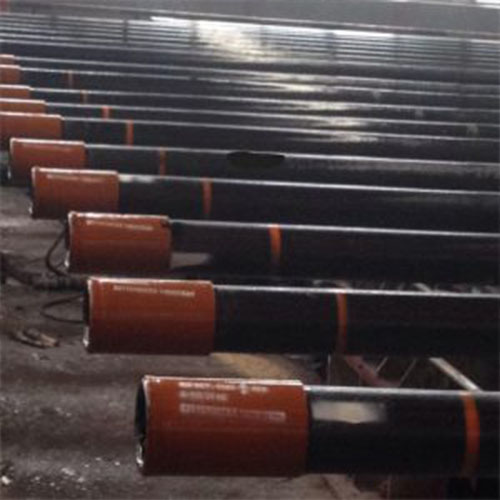
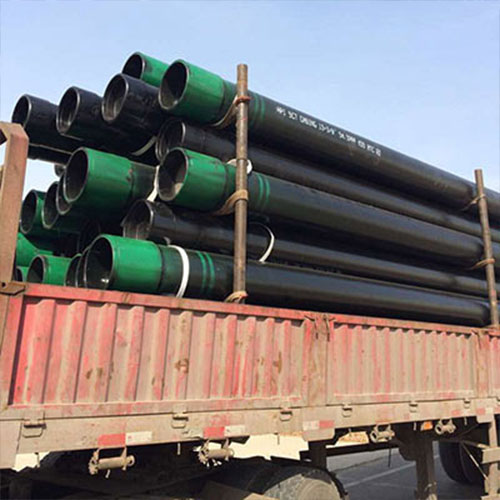
One common type of pipe used for well casing is steel. steel casing pipes are strong and durable, making them ideal for deep wells or wells in areas with high levels of corrosion. Steel pipes are also resistant to extreme temperatures and pressures, making them a reliable choice for a variety of well construction projects. However, steel pipes can be expensive and may require additional coatings or treatments to prevent corrosion.
Another popular option for well casing is PVC (polyvinyl chloride) pipe. PVC pipes are lightWeight, easy to install, and resistant to corrosion, making them a cost-effective choice for many well construction projects. PVC pipes are also available in a variety of sizes and Lengths, making them versatile and adaptable to different well designs. However, PVC pipes may not be as strong as steel pipes and may be more prone to damage from impact or pressure.
Fiberglass casing pipes are another option for well construction. Fiberglass pipes are lightweight, corrosion-resistant, and have a long lifespan, making them a durable and cost-effective choice for many well projects. Fiberglass pipes are also easy to install and require minimal Maintenance, making them a convenient option for well construction projects. However, fiberglass pipes may be more expensive than other types of casing pipes and may not be as readily available in all areas.
In addition to steel, PVC, and fiberglass, there are other types of pipes that can be used for well casing, such as stainless steel, aluminum, and concrete. Each type of pipe has its own set of advantages and disadvantages, so it is important to carefully consider the specific needs of your well project before selecting a casing pipe.
When choosing a pipe for well casing, it is important to consider factors such as the depth of the well, the type of s Oil or rock surrounding the well, and the potential for corrosion or contamination. Consulting with a professional well construction contractor can help you determine the best type of pipe for your specific project.
https://youtube.com/watch?v=rWtvvt8L3h4
In conclusion, there are several different types of pipes that can be used for well casing, each with its own set of advantages and disadvantages. Steel, PVC, fiberglass, stainless steel, aluminum, and concrete are all viable options for well construction projects, depending on the specific needs of the project. By carefully considering the factors that are unique to your well project, you can select the best type of pipe for your well casing needs.
Importance of Properly coupling Pipes to Well Casing
When it comes to drilling a well, one of the most important aspects is ensuring that the pipes are properly coupled to the well casing. This is crucial for the overall integrity and efficiency of the well. The type of pipe that is coupled to the well casing can vary depending on the specific needs of the well and the surrounding environment.
One common type of pipe that is used for coupling to well casing is PVC pipe. PVC pipe is a popular choice due to its durability, affordability, and ease of installation. It is also resistant to corrosion, which is important when dealing with water wells. PVC pipe is lightweight and can be easily cut to the desired length, making it a versatile option for coupling to well casing.
Another type of pipe that is commonly used for coupling to well casing is steel pipe. Steel pipe is known for its strength and durability, making it a reliable choice for wells that require a higher level of support. Steel pipe is also resistant to corrosion, which is important for wells that are exposed to harsh environmental conditions. However, steel pipe can be more expensive and difficult to install compared to PVC pipe.
In addition to the type of pipe used for coupling to well casing, it is also important to consider the method of coupling. There are several different methods that can be used to connect the pipe to the well casing, including Threaded connections, welded connections, and compression fittings. Each method has its own advantages and disadvantages, so it is important to choose the method that best suits the specific needs of the well.
Properly coupling pipes to well casing is essential for ensuring the overall efficiency and longevity of the well. When pipes are not properly coupled, it can lead to leaks, contamination, and other issues that can compromise the quality of the water supply. By using the right type of pipe and coupling method, you can help prevent these problems and ensure that your well operates smoothly for years to come.
In conclusion, the type of pipe that is coupled to well casing plays a crucial role in the overall performance of a well. Whether you choose PVC pipe or steel pipe, it is important to ensure that the pipes are properly coupled to the well casing using the appropriate method. By taking the time to select the right materials and coupling techniques, you can help ensure the success of your well and the quality of your water supply. Properly coupling pipes to well casing is an essential step in the drilling process that should not be overlooked.